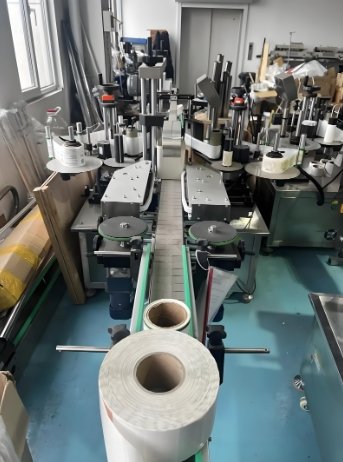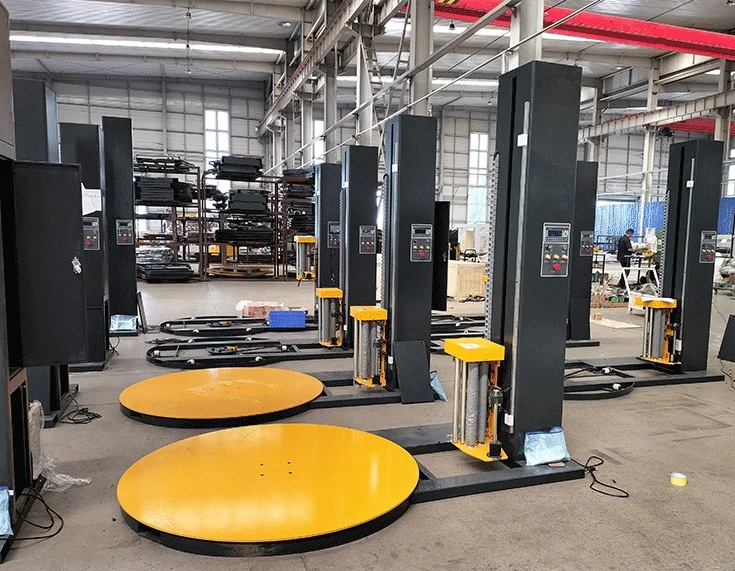
A packaging machine is automated equipment that turns a raw or finished product into a sealed, labeled, and shipment-ready unit. It handles the work people once did by hand, such as filling, sealing, labeling, wrapping, and stacking, and it does so at a steady pace with results that stay consistent from the first unit to the last. Across food, beverage, pharmaceutical, cosmetic, and chemical production, packaging machinery has moved from a supporting role to the heart of the factory, because it decides how fast, how cleanly, and how affordably a product reaches the customer.
This guide covers what a packaging machine is, how a full packaging line fits together, the main types, how the technology developed, and what to weigh before you invest.
What Is a Packaging Machine?
A packaging machine is an engineered system that automates one or more packaging steps: forming a container or bag, dosing the product by weight or volume, sealing it, applying labels and codes, and grouping the finished units for transport. It combines mechanical parts, motion control, sensors, and a control unit so that each cycle repeats the same result.
The point of the machine is reliability at scale. A well-built packaging line protects the product from contamination and damage, presents it cleanly on the shelf, and keeps the output traceable through batch and date coding. You can see how this works across formats in our packaging machine range.
The Packaging Line: How the Pieces Fit Together
The clearest way to understand packaging machinery is to view it as a line rather than a single machine. Most operations move product through three packaging levels.
Primary packaging is the layer that touches the product, such as a bottle, sachet, or blister. This is usually handled by a filling machine followed by a capping or sealing machine.
Secondary packaging groups primary units together, such as several bottles in a carton. This stage uses a carton packaging machine or a paper box packaging machine.
Tertiary packaging is the shipping layer, where cases are stacked and secured. A palletizing machine closes out the line and removes heavy manual lifting.
A complete line connects these stages with conveyors and a shared control system, so product flows from filling through to a wrapped pallet with little manual handling. Our automatic packaging solutions are designed to link these stages into one coordinated flow.
Main Types of Packaging Machines
Packaging machines are grouped by the job they perform on the line.
Filling machines place product into containers and are matched to the product form. A liquid filling machine suits beverages, sauces, and chemicals, while powder and granule fillers handle dry goods. For a closer look at this category, see our filling machine guide.
Capping and sealing machines close the container with a screw cap, a heat seal, or a vacuum seal to keep the contents safe and fresh.
Labeling machines apply the brand, barcode, and required information. A dedicated labeling machine keeps placement straight and consistent across thousands of units.
Wrapping machines apply film around a product or a bundle. A wrapping packaging machine handles flow wrapping for single items, while a shrink wrap machine uses heat to pull film tight around multipacks.
Form-fill-seal machines form a bag from roll film, fill it, and seal it in one continuous process. Vertical units suit powders and granules, and horizontal units suit single items such as biscuits and bars.
End-of-line equipment groups, cases, and stacks the finished product for shipping.
How Packaging Machines Work
Designs vary, but most machines follow a similar sequence. Product and packaging material are fed in at a controlled rate. Where flexible packaging is used, flat film is formed into a bag; where rigid containers are used, bottles or boxes are loaded into position. A dosing system measures the product and dispenses it accurately. The machine then seals the pack, applies labels and codes, groups the units into cartons, and stacks them onto a pallet.
Throughout, sensors and the control system check that each step is correct. If a unit is missing or underfilled, the machine rejects it or pauses the line, which protects both quality and the rest of the run.
A Short History of Packaging Machinery
Packaging machinery has developed across roughly 170 years, and the path explains why today’s machines are so capable.
In the early mechanical period (1850–1930), packaging was mostly manual, with simple lever fillers and hand-operated cappers offering the first real gains in speed and consistency.
During the industrial automation period (1930–1980), form-fill-seal technology arrived, allowing roll film to be formed, filled, and sealed in one motion. This set the template for continuous production.
The electronic control period (1980–2005) introduced programmable controllers, servo motors, and operator touchscreens, which made machines faster, more precise, and easier to run.
The integrated automation period (2005–2020) connected stand-alone machines into full lines, with combination weighers, robotic case packers, and vision inspection becoming common.
The current intelligent period (2020 onward) adds connectivity, predictive maintenance, and automatic adjustment for different materials, moving the industry toward lines that need less manual oversight.
Key Technologies Behind Modern Packaging Machines
Several technologies define how a modern packaging machine performs. Programmable controllers act as the brain, coordinating timing and motion. Servo motors give precise, repeatable movement at high speed. Sensors track product position, fill level, and seal quality. Vision systems detect misaligned labels or sealing defects. Increasingly, connected systems flag a fault before it causes a stoppage and adjust settings for different film types. Together these reduce waste, raise uptime, and keep output consistent.
Industries That Rely on Packaging Machines
Almost every producer of physical goods uses packaging machinery. Food and beverage makers fill bottles and cans, bag snacks, and seal fresh goods, where speed and hygiene matter most. You can see how this plays out in our note on food packaging efficiency. Pharmaceutical producers fill vials, seal blister packs, and code each unit under strict standards. Cosmetics brands bottle creams and lotions on clean, attractive lines. Chemical and industrial producers fill and seal containers built for demanding contents.
How to Choose and Invest in a Packaging Machine
Start with your product form, since liquids, powders, granules, and pastes each need a different dosing method. Match the machine to your output volume, because higher demand calls for faster, fully automatic equipment. Confirm the packaging material, the floor space available, and how the machine fits your existing line. Set a budget that includes maintenance and spare parts rather than the purchase price alone, and confirm the machine meets the safety and hygiene standards for your sector.
On cost, it helps to know the drivers rather than chase a single figure. The level of automation has the largest effect, followed by speed, dosing complexity, material grade, and add-ons such as vision inspection and coding. The clearest path is to share your product, container, and target output with a supplier and request a tailored quote. For a deeper look at one category, our carton packaging guide walks through the options in detail.
Frequently Asked Questions
What is the purpose of a packaging machine?
It automates packaging steps such as filling, sealing, labeling, and palletizing to improve speed, consistency, and hygiene while protecting the product.
What are the main types of packaging machines?
The common types are filling machines, capping and sealing machines, labeling machines, wrapping machines, form-fill-seal machines, and end-of-line equipment such as cartoners and palletizers.
How does a packaging line work?
Product moves through primary packaging, such as filling and sealing, then secondary packaging, such as cartoning, and finally tertiary packaging, where cases are stacked and wrapped on a pallet.
Which machine suits powder products?
A vertical form-fill-seal machine with an auger filler is the usual choice, since it measures fine material accurately.
How long can a packaging machine run?
Well-built automatic machines are designed for continuous operation with planned maintenance to limit downtime.
Talk to a Packaging Machine Specialist
The right equipment is easier to choose with a partner who builds and supports these machines every day. To plan a line that fits your product and output, contact our team or learn more about Foshan Popper Machinery.