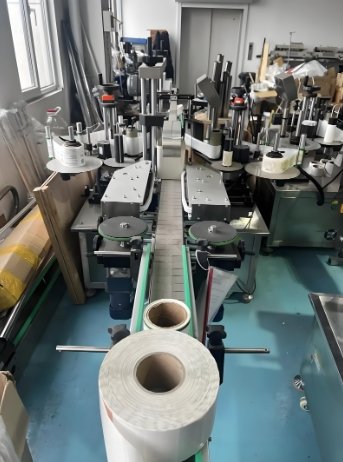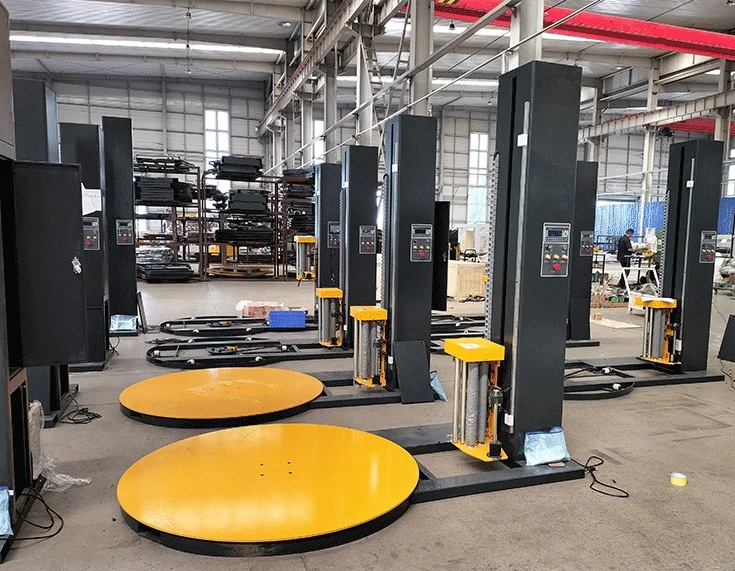
A carton packaging machine takes a flat sheet of board and turns it into a finished, packed carton, erecting it, loading the product, and closing it, in seconds and at scale. It is the step that protects your product, presents your brand on the shelf, and prepares everything for shipping. This guide explains how these machines work, the main types, how automation fits in, and how carton packaging supports a shift toward sustainable, paper-based materials.
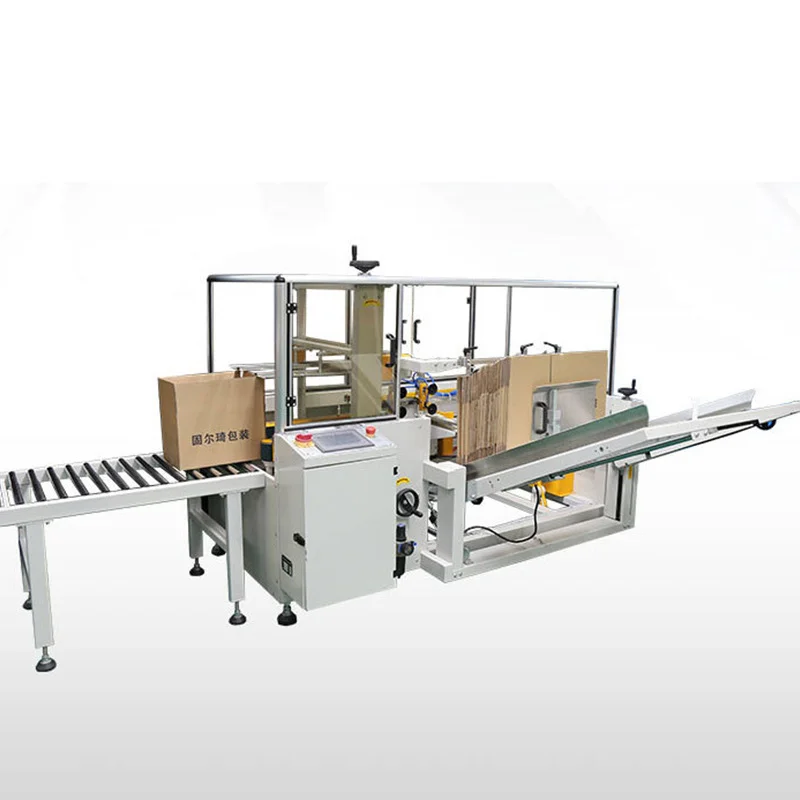
What is a carton packaging machine?
Quick answer A carton packaging machine forms, fills, and closes cartons, the folding paperboard boxes and corrugated cases used to hold and ship products. Depending on the model it can erect the carton from a flat blank, load one or many products into it, and seal it with tabs, hot-melt glue, or tape, either as a standalone step or as part of an automated packaging line. |

It helps to separate two words that are often mixed up. A folding carton is the printed paperboard box that holds a single retail product, such as a box of capsules. A case is the larger corrugated box that groups several products together for shipping. Some machines handle one, some handle both, so naming your packaging clearly is the first step to choosing the right machine.
How does a carton packaging machine work?
Most carton machines follow the same core sequence, whether they run with an operator or fully automatically:
- Flat carton blanks are drawn one at a time from a magazine.
- Each blank is opened into a square tube or tray and squared up.
- The product is placed into the carton, by hand or by an automatic loading system, from the end or the top.
- The flaps are folded and held shut by tuck tabs, hot-melt glue, or tape.
- The finished carton moves on to labeling, case packing, or palletizing.
On a full line, cartoning is rarely the last step. Packed cartons often flow into a palletizing machine that stacks them for shipping, or through a shrink-wrap machine that bundles multipacks.
Types of carton packaging machines
Carton packaging is a family of machines. Most production lines use more than one. The right mix depends on your product, your carton style, and your output.
Horizontal cartoners (end-load)
Best for: products that slide in from the side, such as pouches, bottles, tubes, and blister packs. The carton is formed lying down, the product is pushed in from the end, and the flaps are tucked or glued. This is one of the most common formats for retail folding cartons.
Vertical cartoners (top-load)
Best for: products dropped in from above, including jars, cans, and grouped items. The carton stands upright and is loaded from the top, then closed. Top-load formats often present products neatly for retail display.
Case erectors and case packers
Best for: grouping finished products into shipping cases. A case erector opens and bottoms flat corrugated blanks; a case packer then loads the primary products into the case before sealing. Wrap-around case packers form the case around the products for a tight, material-efficient pack.
Carton and case sealers
Best for: closing cartons quickly and consistently. Sealers apply hot-melt glue or tape to top and bottom flaps. Glue gives a clean, tamper-evident close; tape is simple and low cost.
Related packaging machines
Carton machines often sit alongside a paper-box packaging machine, a wrapping packaging machine, and other equipment in the packaging machine range. Choosing them as one line, rather than piece by piece, avoids mismatched speeds and bottlenecks.
Carton packaging automation: manual to fully automatic
Carton packaging automation describes how much of the work the machine does versus the operator. Moving up the levels raises output and consistency and lowers labour per carton, in exchange for higher cost and more setup. The right level depends on your volume and how often you change products.
Automation level | What it does | Best for |
Manual / assisted | Operator erects, loads, and closes with simple aids | Very low volume, frequent changeovers |
Semi-automatic | Machine erects and closes; operator loads product | Growing brands, mixed product runs |
Fully automatic | Erects, loads, closes, and discharges continuously | High, steady volume and long runs |
Integrated line | Cartoning linked to filling, labeling, and palletizing | Large-scale, end-to-end production |
In automated carton systems, the cartoner is timed to the rest of the line so cartons arrive exactly as products are ready. Sensors check that each carton is erected, loaded, and closed correctly, and reject any that are not. The payoff is steady throughput and fewer packing errors; the trade-off is a larger upfront investment and the need for trained maintenance.
Sustainable and paper-based carton packaging
Cartonboard and corrugated board are already among the most widely recycled packaging materials, which is a large part of why brands are moving from plastic toward paper-based packaging. A carton packaging machine supports that shift in several practical ways:
- Replacing plastic. Paperboard cartons and wrap-around cases can take the place of shrink film and plastic clamshells for many products.
- Right-sizing. Forming cartons close to the product size cuts wasted board and reduces void fill.
- Recyclable closures. Hot-melt and paper-based tapes keep cartons easy to recycle compared with some plastic closures.
- Less material per pack. Wrap-around and tight-pack formats use only the board each pack needs.
Efficient packaging also means less product damage and fewer re-ships, which lowers waste overall. Our guide on how a food packaging machine improves efficiency and reduces waste covers this in more detail.
How to choose the right carton packaging machine
Work through these factors in order; each one narrows the choice:
- Product and carton style. Define what you are packing and whether it is end-loaded or top-loaded. This sets the machine type.
- Estimate cartons per minute now and in two years, and buy for near-term growth.
- Carton size range. List your largest and smallest cartons and confirm the machine’s size range and changeover method.
- Closure type. Decide between tuck, glue, or tape based on tamper evidence, speed, and recyclability.
- Line integration. Confirm the machine’s speed matches your filling, labeling, and palletizing steps.
- Frequent product changes reward quick, tool-free format changes.
- Material goals. If you are moving to paper-based packaging, confirm the machine runs your chosen board and recyclable closures.
Common carton packaging problems and how to avoid them
Symptom | Likely cause | Practical fix |
Cartons not erecting | Blank quality or magazine setup | Use consistent board, adjust the magazine and suction |
Crushed or skewed cartons | Loading misaligned or run too fast | Re-align loading, tune timing to the line |
Weak glue or tape seal | Glue temperature or tape tension off | Set glue temperature, check tape tension and rollers |
Frequent jams | Mixed carton sizes or worn parts | Standardise board, service guides and belts |
Mislabeled or mispacked cartons | Sensors or timing out of sync | Recalibrate sensors, sync to upstream steps |
How much does a carton packaging machine cost?
Price covers a very wide range because it depends on the factors below rather than the carton alone. Use this as a checklist when comparing quotes, and ask each supplier to break the cost out the same way:
- Automation level. Assisted manual units are the lowest cost; fully automatic and integrated lines are the highest.
- Higher cartons-per-minute ratings raise the price.
- Carton format range. Wider size ranges and more closure options add cost.
- Linking to filling, labeling, and palletizing changes the total picture.
- Build and controls. Sensors, reject systems, and quick-changeover tooling add cost and value.
As with any line equipment, the lowest sticker price is rarely the lowest running cost once labour, material waste, and downtime are counted.
Frequently asked questions
What is a carton packaging machine?
A carton packaging machine forms, fills, and closes cartons, the folding paperboard boxes and corrugated cases used to hold and ship products. Models range from assisted manual units to fully automatic systems that erect, load, close, and discharge cartons continuously.
What is the difference between a carton and a case?
A folding carton is the printed paperboard box that holds a single retail product. A case is the larger corrugated box that groups several products together for shipping. Some machines handle one, some handle both.
What is carton packaging automation?
Carton packaging automation is how much of the erecting, loading, and closing the machine does versus the operator. It ranges from assisted manual, through semi-automatic, to fully automatic and fully integrated lines linked to filling and palletizing.
Are carton packaging machines good for sustainable packaging?
Yes. Cartonboard and corrugated board are widely recycled, and carton machines help brands move from plastic to paper-based packaging, right-size cartons to cut waste, and use recyclable closures.
What is the difference between a cartoner and a case packer?
A cartoner forms and loads the retail carton around or under a single product. A case packer groups several finished products into a larger shipping case. Many lines use both in sequence.
How do I choose between glue and tape closing?
Hot-melt glue gives a clean, tamper-evident seal and suits higher speeds; tape is simpler and lower cost. Recyclability and tamper evidence usually decide the choice.
Can a carton packaging machine fit into my existing line?
Usually yes, if its speed and carton range match your other steps. Confirm integration with your filling, labeling, and palletizing equipment before buying so the line runs without bottlenecks.
Contact us
Foshan Popper Machinery is a filling and packaging machinery manufacturer based in Foshan, Guangdong, China, supplying carton packaging, filling, labeling, and palletizing systems to producers worldwide. Whether you need a single carton packaging machine or a complete automated line, our engineers will help you match the right equipment to your product, carton format, and output target.
To get an accurate recommendation and quote, tell us:
- Your productand carton style (end-load or top-load, folding carton or case).
- Carton size rangeyou need to run.
- Target output(cartons per minute or per day).
- Automation levelyou have in mind (manual, semi-automatic, automatic, or integrated line).
- Material goals(for example moving to paper-based or recyclable packaging).
Send these details and our team will reply with a suitable configuration, pricing, and lead time, usually within one business day. Every machine ships with installation guidance, operator training resources, spare-part support, and after-sales service.