
Understanding the Sauce Filling Machine and Its Role in Production
In food production, sauce filling machines play a critical role in ensuring accurate and efficient packaging of liquid and semi-liquid products. Designed for products such as ketchup, hot sauce, mayonnaise, and salad dressings, these systems support volumetric filling, hygienic processing, and automated packaging lines. By maintaining food safety standards and dosing accuracy, they help improve production efficiency and product consistency. Companies like Foshan Popper Machinery provide custom machinery and supply industrial solution machinery, enabling businesses to achieve reliable and scalable sauce filling operations.
What Is a Sauce Filling Machine?
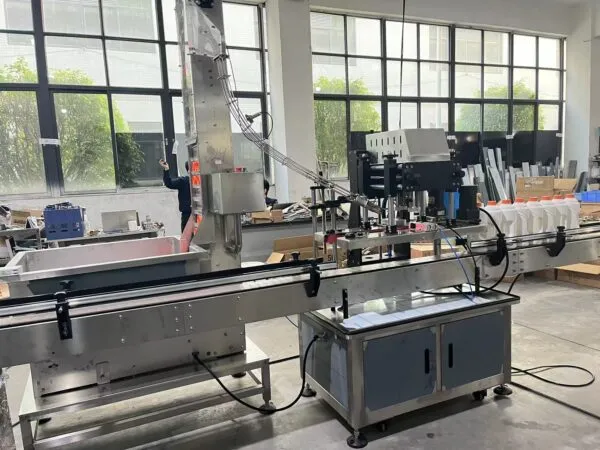
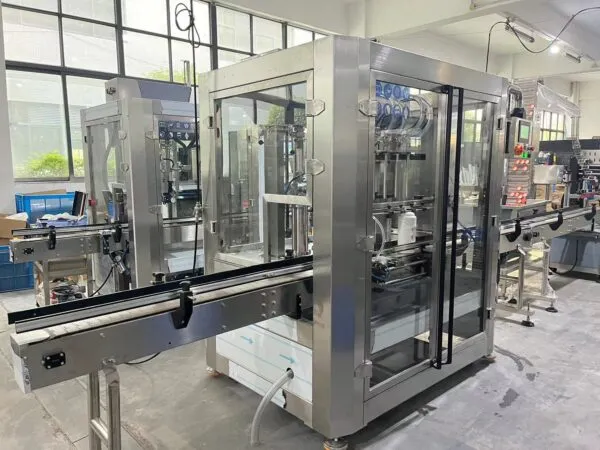
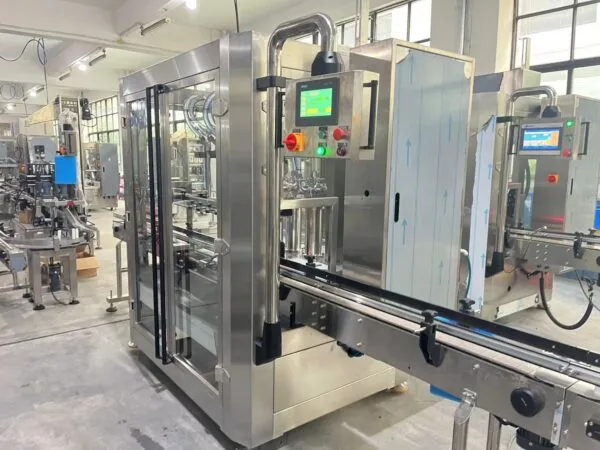
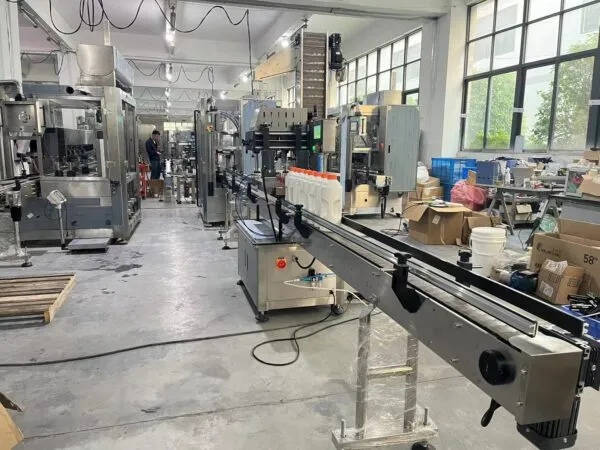
A sauce filling machine is designed specifically to dispense various types of sauces into containers. These machines come in different configurations, including semi-automatic and fully automatic models. The right choice depends on the production scale and specific requirements of the business.
Sauce Filling Machine
Benefits of Sauce Filling Machine in Food Production
Precision: Sauce filling machines provide accurate filling, reducing waste and ensuring each bottle or jar contains the correct amount. This precision is essential for maintaining product consistency when using a sauce filling machine.
Speed: In a competitive market, speed is crucial. Sauce filling machines can fill hundreds of containers per hour, helping manufacturers meet growing demand.

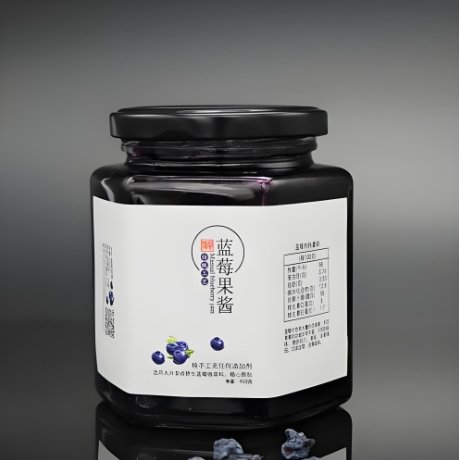
The Role of Capping Machines
Once the sauce is filled, the next step is sealing. A capping machine securely seals containers to prevent leaks and contamination. Proper sealing is essential for preserving freshness and extending shelf life.
Advantages of Labeling Machines
Labeling machines are important for packaging operations because they help products move from production to shipment with better speed, accuracy, and presentation. In food, beverage, and other packaged product industries, labels do more than identify an item. They support regulatory information, product details, branding, and customer recognition. When labels are applied manually, the process can be slower and more prone to placement errors. Automated labeling machines help solve these issues by applying labels consistently, reducing delays, and creating a cleaner final package. This makes them valuable for businesses that want efficient production, accurate compliance support, and a professional brand appearance.
Efficiency: Labeling machines streamline the packaging process. They can apply labels at high speeds, ensuring that products are ready for shipment without delays. This helps production teams complete packaging faster and keep products moving through the line smoothly. Faster labeling also supports larger production schedules, reduces bottlenecks, and helps companies meet order deadlines more consistently. By automating this step, businesses can reduce repeated manual work and improve overall packaging flow.
Accuracy: Automated labeling machines minimize errors, ensuring labels are placed correctly. This accuracy is vital for meeting food safety regulations. Correct label placement helps make product information easier to read and keeps packaging more consistent from one item to another. Accurate labeling also reduces the need for rework, wasted labels, and rejected products caused by misalignment or incorrect positioning. As a result, the packaging process becomes more dependable and easier to control.
Branding: Labels provide an opportunity for branding. A well-designed label can attract customers and communicate essential brand messages. Labeling machines help maintain a professional appearance by applying labels neatly and consistently across every product. This consistency supports stronger shelf presentation, better customer trust, and a more polished brand image. Overall, labeling machines improve efficiency, accuracy, and branding quality across regular packaging operations.
Benefits of an Integrated Sauce Filling Machine System
Sauce production depends on coordination between filling, capping, and labeling because each stage affects product quality, packaging accuracy, and operational flow. When these machines work together as one integrated system, businesses can reduce handling and keep products moving through the line consistently. This is useful for sauce manufacturers that need clean filling, secure closures, accurate labels, and dependable output. Automation helps teams manage larger volumes while controlling waste, labor needs, and delays. For small and large producers, the right machinery can strengthen efficiency and support long-term production performance.
Integrating Sauce Filling Machine into the Production Line
Sauce production becomes more efficient when each packaging stage works together in a planned and continuous sequence. Filling, capping, and labeling are separate tasks, but they all affect the final product presentation, handling, and production speed. When these machines are connected into one cohesive line, manufacturers can reduce unnecessary pauses between stages and keep containers moving smoothly from one step to the next. This type of integration helps create a more organized workflow, improves consistency, and reduces the amount of manual handling required during daily operations. For sauce manufacturers managing different product volumes, bottle types, or production schedules, an integrated system supports better control and more dependable output.
For optimal efficiency, many manufacturers integrate sauce filling machines, capping machines, and labeling machines into a cohesive production line. The sauce filling machine manages the first major step by dispensing the required amount of sauce into each container. After filling, the capping machine applies the closure securely, helping protect the product and prepare it for the next stage. Once the container is sealed, the labeling machine applies the label accurately, supporting clear presentation and a professional finished package.
This integration allows for a smooth, uninterrupted flow between each stage of the process. Instead of moving products manually from one machine to another, the line can guide containers through filling, capping, and labeling in a steady sequence. This helps reduce delays, limit handling errors, and improve production timing. A cohesive production line also makes it easier for operators to monitor the process, identify issues, and maintain consistent output. Overall, integrating these machines helps sauce manufacturers improve workflow efficiency, maintain packaging consistency, reduce downtime, and support a cleaner, faster, and more reliable production process for regular manufacturing needs and larger packaging schedules, while keeping every stage aligned with planned quality and operational goals consistently.
Conclusion
Sauce packaging requires a reliable combination of accurate filling, secure closure, and clear labeling to support product quality from production to delivery. In modern food manufacturing, each container must receive the correct sauce volume, be sealed properly, and display the right label information. A sauce filling machine, when connected with capping and labeling systems, helps create this organized process. The result is a smoother packaging line that reduces unnecessary manual work, improves consistency, and supports safer handling. For businesses producing sauces at different volumes, this complete solution helps maintain efficiency while meeting daily production needs and changing market demand.
In conclusion, a sauce filling machine, combined with capping and labeling systems, forms a complete and efficient packaging solution for modern food production. By ensuring precise volumetric filling, secure sealing, and accurate labeling, these machines help maintain product quality, hygiene, and compliance with food safety standards. Precise filling helps each container receive the intended amount of sauce, reducing inconsistency and supporting a uniform final product. Secure sealing helps protect the sauce after filling, while accurate labeling supports clear identification and professional presentation.
Integrating these systems into a unified production line improves workflow, reduces manual effort, and enhances overall productivity. When filling, capping, and labeling operate in sequence, products move more smoothly through each stage with fewer delays. This supports better production timing and helps operators monitor the line more easily. With scalable configurations and reliable performance, companies like Foshan Popper Machinery provide custom machinery and supply industrial solution machinery, enabling businesses to streamline operations and meet growing market demands with consistency and efficiency. Overall, this integrated approach helps sauce manufacturers improve packaging accuracy, reduce handling errors, maintain hygiene, and achieve dependable output across regular production schedules, larger batches, and long-term operational growth with greater confidence during demanding food production cycles consistently.
Need Help Choosing the Sauce Filling Machine?
Ready to work with us?