
Hands Washer Liquid Bottle Filling Mahchine
In many industries, packaging plays a key role. A bottle filling machine, capping machine, and labeling machine work together to form a complete packaging line. These machines handle both round and square bottles. They are essential for products like beverages, cosmetics, and medicines.
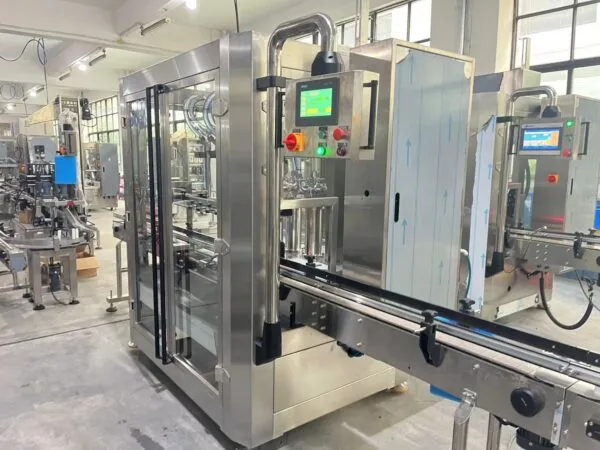
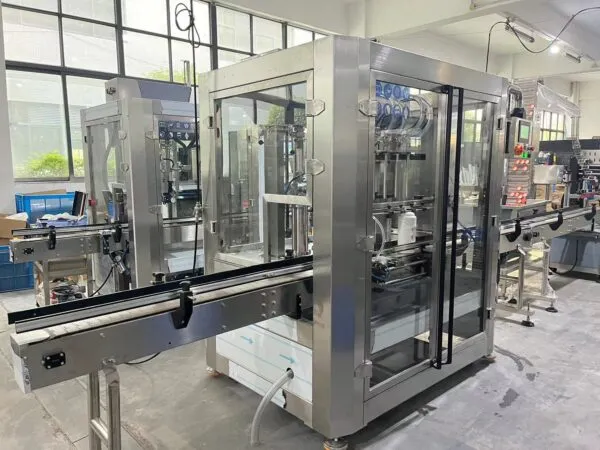
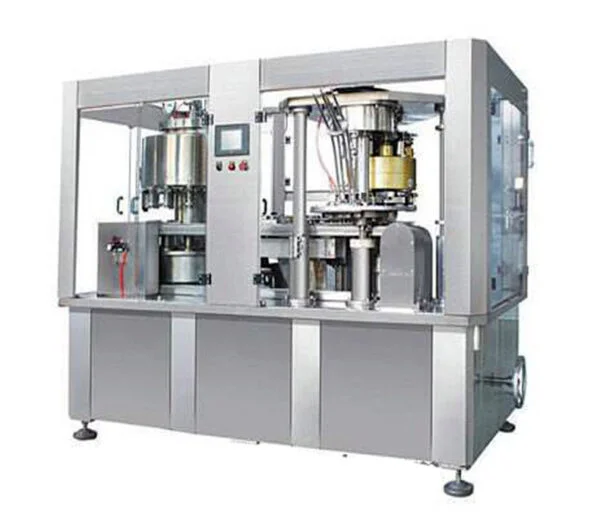
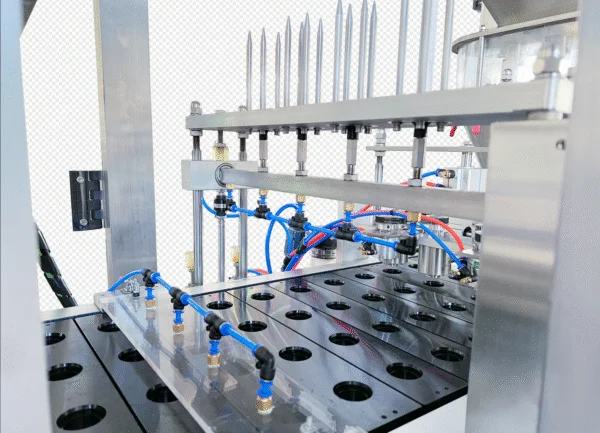
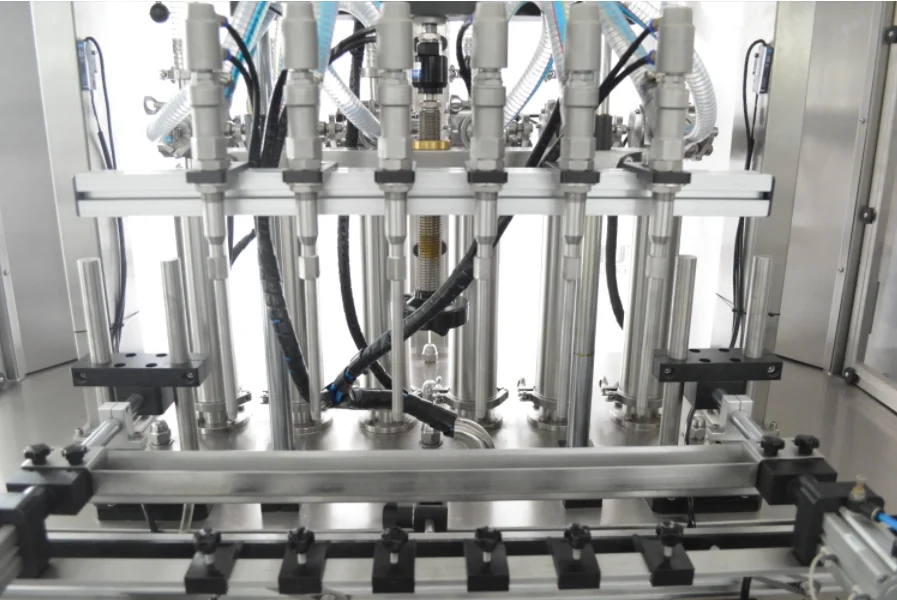
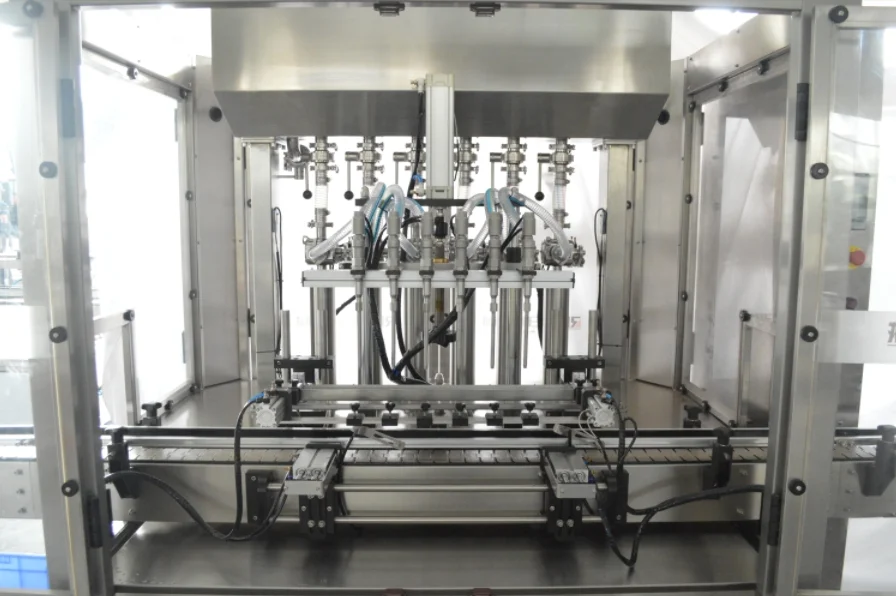

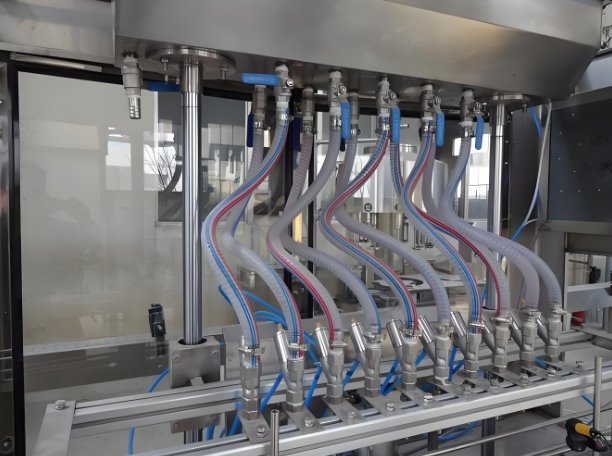
Bottle Filling Machine
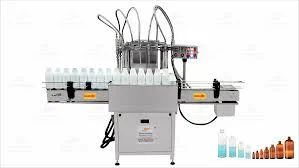
The bottle filling machine fills liquids into bottles with high precision. It ensures that each bottle has the exact amount of liquid. This reduces waste and ensures product consistency. The machine is adjustable for both round and square bottles.For round bottles, the machine centers the bottle under the nozzle. For square bottles, it aligns the bottle to prevent spills.Filling machines are widely used in the food, beverage, and pharmaceutical industries. These machines offer flexibility. You can switch between different bottle shapes and sizes quickly. This saves time and increases production speed.
Bottle Filling Machine
Capping Machine
Once bottles are filled, they need to be sealed. A capping machine applies caps to the bottles and ensures proper sealing to prevent leaks.
Just like the filling machine, the capping machine is adjustable. It can handle different bottle shapes. For round bottles, the machine rotates the bottle while capping. For square bottles, it aligns the cap correctly.
Sealing bottles properly is important because it protects the product from contamination. Whether it’s a screw cap or press-on cap, the capping machine ensures a tight seal every time.
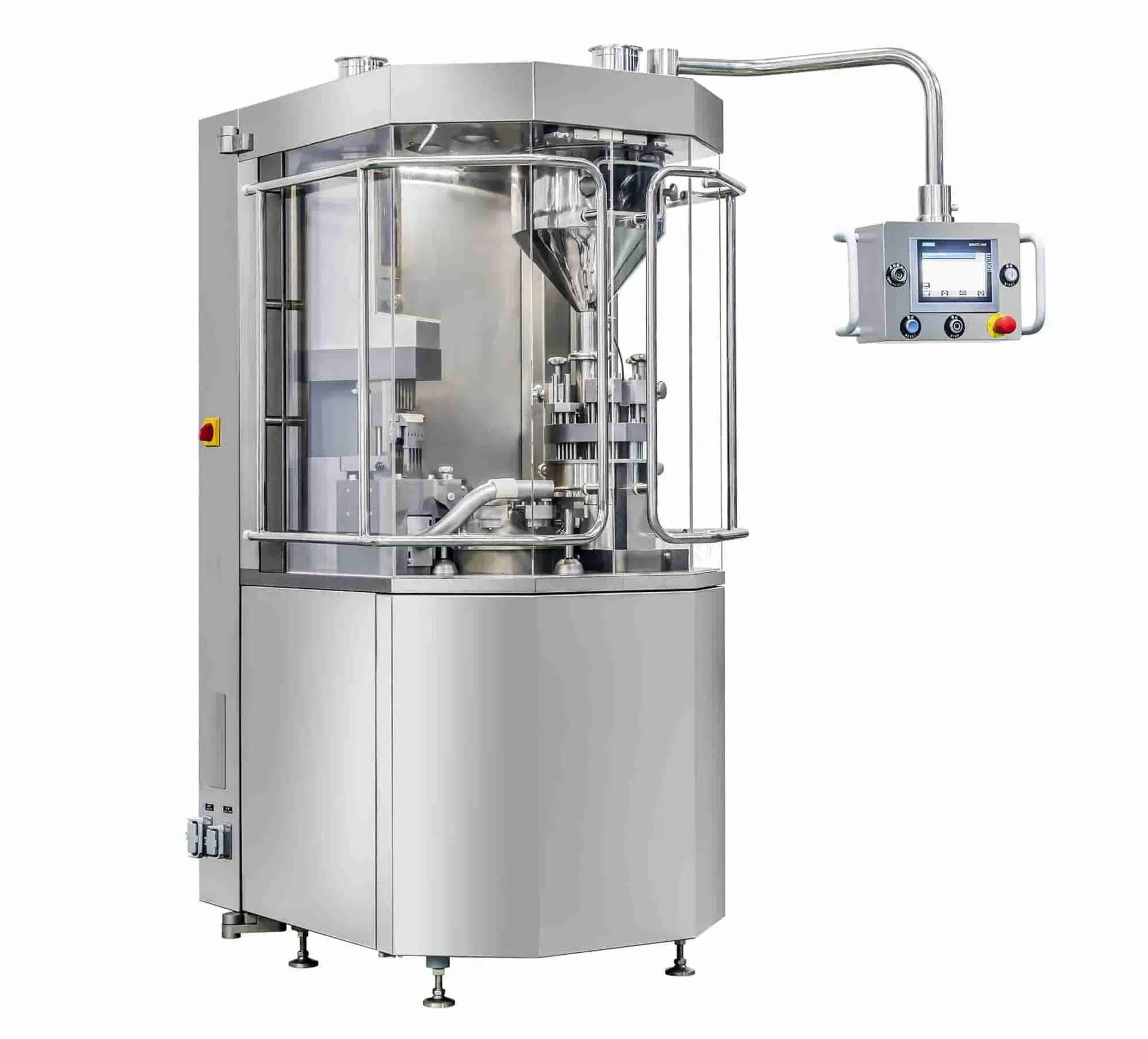
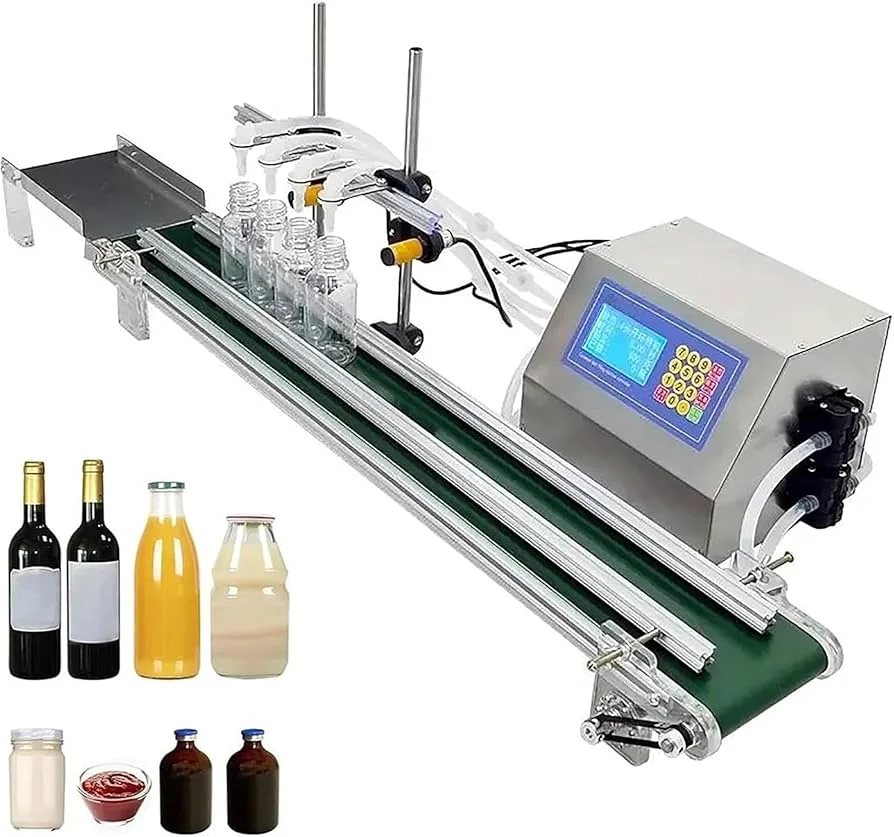
Flexibility for Round and Square Bottles
One of the key advantages of these machines is their adjustability. They can switch between round and square bottles easily, making them ideal for different product lines.Whether a manufacturer uses round or square bottles, the machines adjust quickly. This saves time and avoids costly delays.
- Increased Efficiency
- Faster Processing: Automation speeds up the process, boosting production output. Machines can complete repetitive tasks more quickly than manual methods, allowing more products to move through the line in less time.
- Reduced Delays: Automated systems help keep production moving by reducing slowdowns caused by repeated handwork. This supports a smoother workflow and helps teams maintain steady progress during daily operations.
- Higher Output: When tasks are completed faster, businesses can produce, package, or prepare more units within the same working period. This is useful for companies managing growing demand or regular high-volume schedules.
- Better Workflow Control: Automation helps each production stage stay more organized. Workers can monitor machines, check quality, prepare materials, and manage the line instead of handling every task manually.
- Consistent Performance: Because machines repeat the same action with controlled timing, production becomes more predictable. This consistency helps businesses improve output while maintaining stable process quality across regular production runs and busy working schedules. It also helps operators plan daily targets, reduce idle time, and keep production capacity aligned with customer requirements during every shift cycle more reliably overall.
- Consistent Quality
- Accurate Filling: Ensures each bottle is filled accurately with the required amount of product. This helps reduce underfilling, overfilling, and unnecessary product waste while keeping every bottle more consistent.
- Secure Capping: Ensures each bottle is capped accurately and safely after filling. A properly applied cap helps prevent leakage, protects the product inside, and keeps the container ready for handling, storage, or transport.
- Precise Labeling: Ensures each bottle is labeled accurately so product information, branding, barcodes, and usage details appear in the correct position. This improves presentation and helps customers identify the product easily.
- Consistent Packaging Quality: When filling, capping, and labeling work together accurately, the full packaging process becomes more reliable. Each bottle moves through the line with better control, reducing manual corrections and improving production efficiency. This consistency supports stronger quality standards and helps businesses prepare market-ready bottles with dependable results.
- Better Workflow: Accurate bottle handling also keeps the production line organized. Operators can monitor performance, reduce delays, and maintain steady output throughout daily packaging schedules. It also helps teams identify issues quickly, keep equipment adjusted, and maintain confidence that every finished bottle meets the same expected packaging standard. As a result, the entire process becomes easier to supervise, repeat, and improve during regular manufacturing operations.
- Reduced Labor Costs
- Reduced Manual Work: Machines do most of the work, decreasing the need for manual labor. This means fewer workers are required for repetitive lifting, placing, filling, sealing, wrapping, labeling, or stacking tasks. As a result, the production process becomes less dependent on constant hand operation.
- Improved Workflow: When machines handle repeated tasks, products can move through the production line in a more stable and organized way. This helps reduce delays and supports smoother daily operations.
- Better Labor Use: Employees can focus on monitoring equipment, checking product quality, preparing materials, and managing workflow instead of doing the same task again and again by hand.
- Consistent Output: Automated work supports repeatable results. Because machines follow the same process each cycle, businesses can maintain steadier production quality while reducing pressure on workers. This balance helps companies complete more work with fewer interruptions, lower physical strain, and improved control over routine production activities. It also supports safer handling and more dependable use of available staff during busy operating hours each regular working day.
- Flexibility
Flexible bottle handling is important for businesses that work with different packaging formats, product lines, and container designs. In many production environments, one bottle style is not enough to support every product. Some products may require small bottles, while others may need larger containers, wider openings, different shapes, or varied labeling positions. A packaging system that allows easy switching between bottle types helps companies manage these changes without slowing down the entire workflow. This flexibility supports better production planning, smoother changeovers, and more dependable packaging results. It also helps businesses respond to different customer, product, and industry requirements while keeping the packaging process organized and efficient.
- Switch easily between bottle types to meet various packaging needs. Labeling Regulations Guide. This capability helps production teams adjust the machine or packaging setup for different bottle shapes, sizes, and formats without creating unnecessary delays. When a business handles multiple products, easy switching makes it possible to move from one container type to another while maintaining consistent filling, capping, labeling, or wrapping quality. It also helps reduce downtime because operators can make practical adjustments instead of relying on separate systems for every bottle style.various packaging needs. This repeated need for flexible packaging shows why adaptable machinery is valuable in modern production lines. Different industries may require different container designs for branding, safety, storage, handling, or product presentation. With a flexible system, businesses can support these requirements while keeping the process more controlled and efficient. The result is a smoother workflow that helps companies package more product types, maintain better consistency, and meet changing production demands with greater confidence during regular daily operations.
Need Help Choosing the Granule Filling Machine
Ready to work with us?