
Automatic Filling Machine Soultion
A capping machine is used to apply caps to bottles and containers. It ensures that products are securely sealed. This machine ( we are as a manufacturer and suppliers providing this machine just send your quote ) is vital in industries requiring fast and precise capping. It automates the process, reducing manual labor.
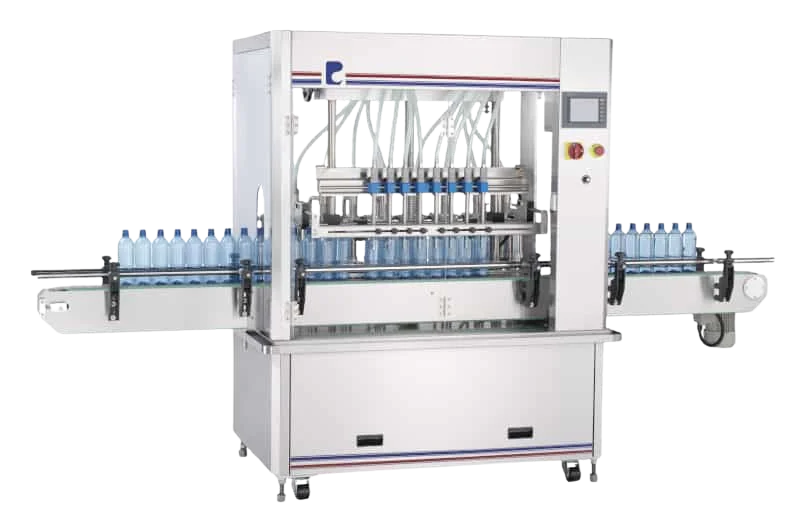
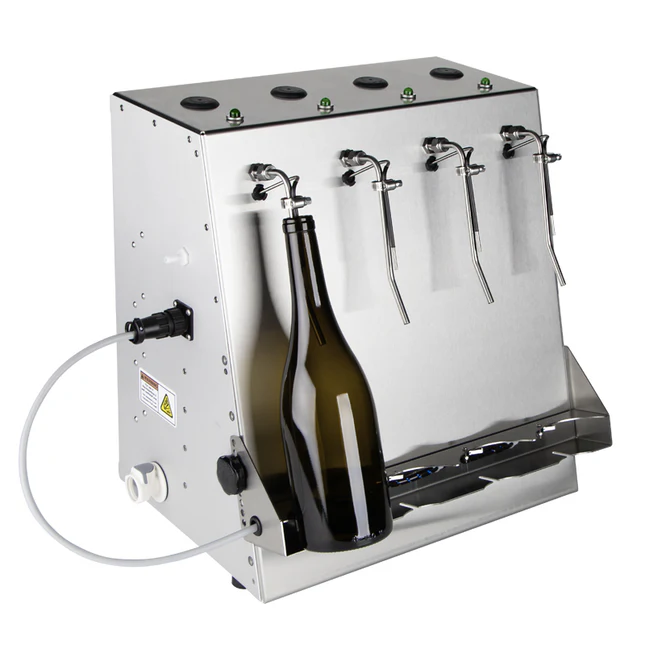
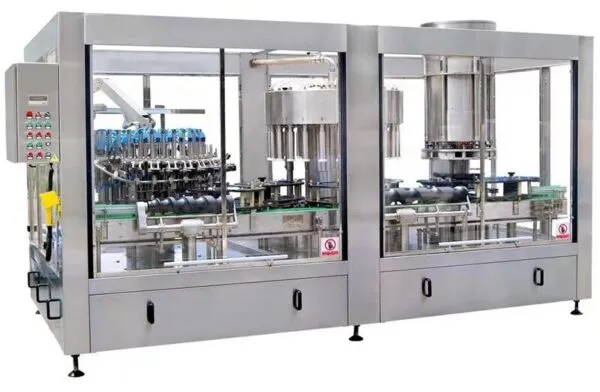
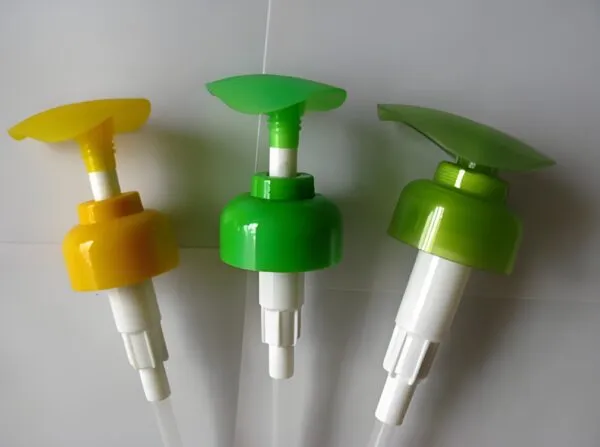
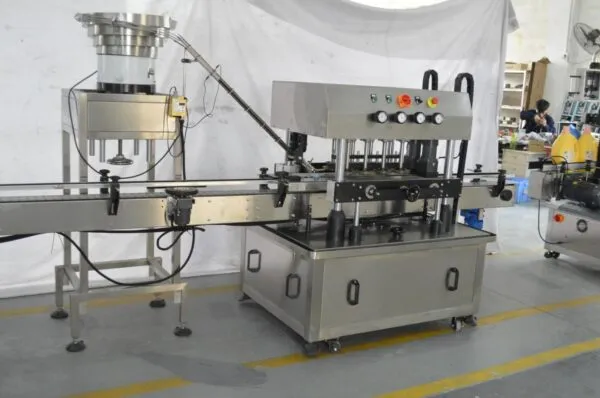
How the Capping Machine Works
The capping machine applies caps to containers using mechanical or automated systems. It can handle various cap types, such as screw caps, snap-on caps, and twist-off caps. The machine ensures that each cap is applied with the correct pressure and tightness. It can work with bottles of different sizes and shapes.
Roller Capping Machines
Key Features of the Capping Machine
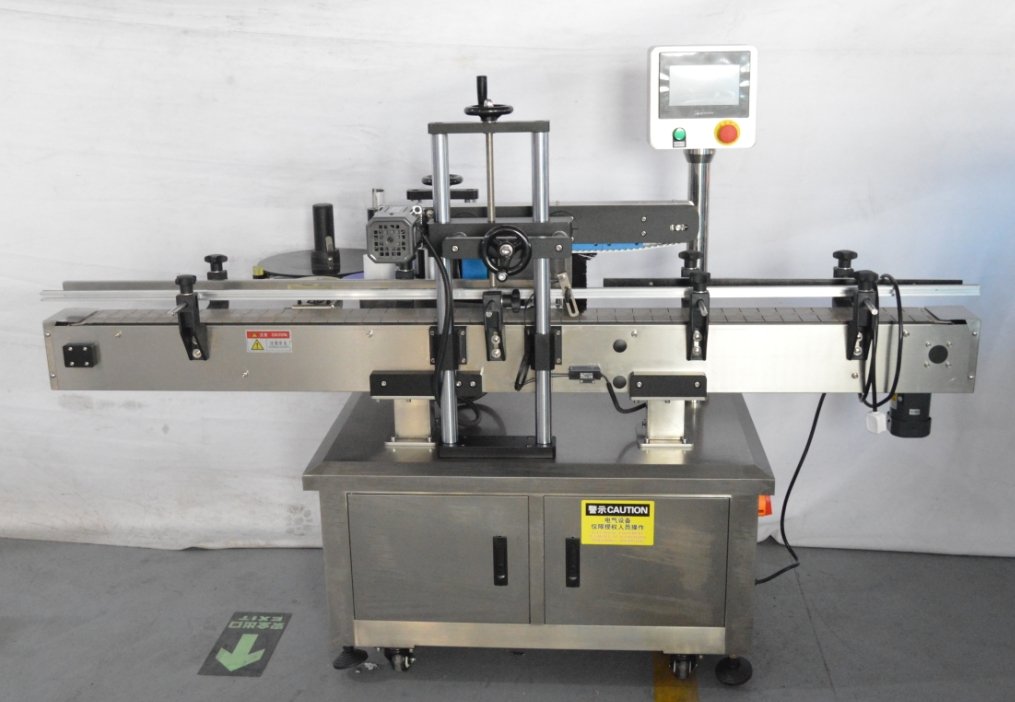
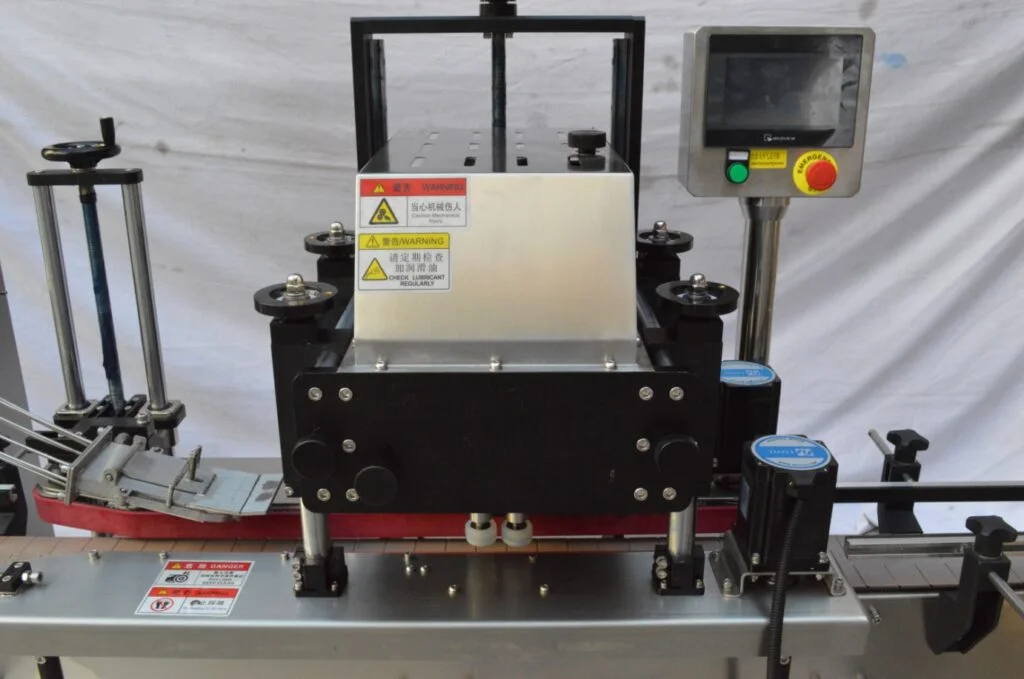
The capping machine applies caps to containers using mechanical or automated systems. It can handle various cap types, such as screw caps, snap-on caps, and twist-off caps. The machine ensures that each cap is applied with the correct pressure and tightness. It can work with bottles of different sizes and shapes.
Applications of the Capping Machine
Discover how carton packaging machines improve efficiency, reduce costs, and support reliable packaging across multiple industries.
Applications of the Capping Machine
A capping machine is an important part of the packaging process because it helps close containers securely after filling. By applying caps with consistency, the machine supports product protection, cleaner handling, and a more professional final package. Different industries depend on secure sealing to keep products fresh, safe, and ready for storage, transport, or sale. Whether the product is a drink, medicine, cosmetic item, or food product, the capping stage helps maintain quality and reduces the risk of leakage, exposure, or contamination during regular handling and distribution.
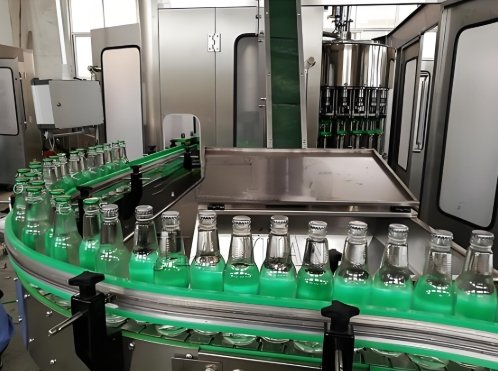
The capping machine is widely used in several industries. In the beverage industry, it seals bottles of water, soft drinks, and juices. This helps maintain product freshness and quality by keeping the container properly closed after filling. A reliable seal also supports easier handling during packaging, storage, and delivery.
In the pharmaceutical industry, it caps medicine bottles to protect the contents from contamination. It ensures the safety and quality of medicines by helping keep products sealed until they are ready for use. This is important because medicine packaging needs careful closure and consistent protection throughout the production process.
In the cosmetics industry, it is used to seal containers for creams, lotions, and perfumes. The capping machine provides a clean and professional seal, helping cosmetic products look neat and remain properly packaged. A secure cap also supports product presentation and customer confidence.
In the food industry, it caps jars of sauces, spices, and jams. This helps preserve the products and extends their shelf life by reducing exposure after packaging. Across all these industries, the capping machine improves workflow, supports consistent sealing, and helps businesses deliver well-protected products with dependable packaging quality. It also helps operators manage repeated sealing tasks more efficiently, especially when products must move quickly through daily packaging lines without unnecessary delays.
Benefits of Using a Capping Machine
A capping machine is valuable for businesses that need faster, safer, and more consistent sealing after the filling stage. By automating the cap application process, the machine helps containers move through production with fewer delays and better control. It supports secure closure, reduces manual effort, and helps maintain packaging quality across repeated runs. Because different products require different caps and container sizes, its flexibility also makes it useful for many industries that depend on dependable packaging performance.
A capping machine offers many benefits. First, it increases production speed. The machine can cap hundreds of bottles per minute, helping businesses complete more packaging work in less time. This leads to higher output and efficiency because products can move forward quickly to labeling, packing, storage, or shipping. Faster capping also helps production teams keep up with growing order demands.
Second, it reduces labor costs. Since the process is automated, fewer workers are needed for repeated manual capping tasks. This allows staff to focus on other important parts of production while the machine handles sealing with steady performance.
The machine also ensures consistency. Every cap is applied with the same amount of force, ensuring tight and secure seals. This improves the overall quality of the packaging because each container receives a dependable closure. Consistent capping also helps reduce loose caps, uneven seals, and unnecessary rework during daily operations.
Additionally, it is versatile. The machine can adjust to different cap types and container sizes. This makes it ideal for various industries, including beverage, food, cosmetics, pharmaceutical, and chemical packaging. With adjustable settings, businesses can manage multiple product lines without needing separate machines for every container format. Overall, the capping machine improves speed, reduces labor needs, supports quality, and helps companies maintain a smoother packaging workflow. This makes routine production easier to manage each day.
Why Invest in a Capping Machine?
A capping machine supports production lines by making the container sealing stage faster, more accurate, and easier to manage. After filling, every bottle, jar, or container needs a secure cap to protect the product and prepare it for labeling, packing, storage, or shipping. When this process is handled manually, results can vary and production may slow down. A capping machine helps solve these issues by applying caps with consistent force and steady alignment. Its ability to work with different cap styles and container formats makes it useful for businesses that need reliable packaging performance across several product categories and daily production requirements. This support helps operators maintain cleaner handling, reduce sealing mistakes, and keep finished products ready for the next stage of packaging.
A capping machine is an essential part of any production line. It improves packaging speed and precision by helping products move smoothly from filling to the next packaging stage. With its ability to handle various caps and containers, the machine provides flexibility for different products. This flexibility allows manufacturers to manage multiple packaging needs without depending only on manual sealing methods.
In conclusion, a capping machine is a key tool for industries looking to enhance their packaging process, and the good news is that we, as a manufacturer and supplier, are providing this machine. It ensures secure and consistent capping by applying caps in a controlled and repeatable way. It also reduces labor costs because fewer workers are needed for repeated sealing tasks. At the same time, it increases production speed by allowing more containers to be capped in less time. With its wide range of applications, a capping machine is a valuable investment for businesses that want stronger packaging quality, better workflow, and dependable sealing performance across regular production operations during every regular daily packaging cycle.
Need Help Choosing the Capping Machine
Ready to work with us?