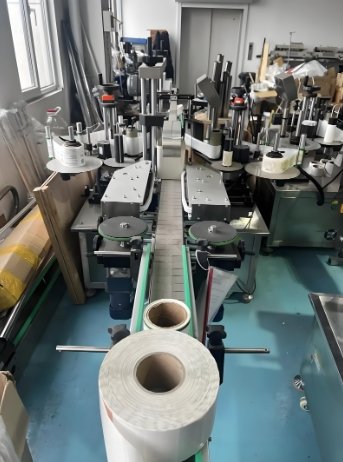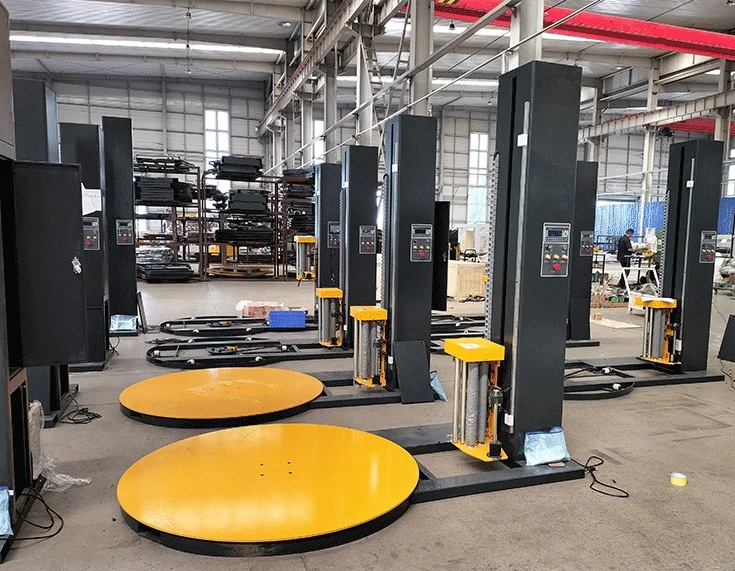
Labeling machine is the key to professional presentation and compliance. In the fast-paced world of manufacturing and packaging, the final touch is often the most important: the label. Whether you are scaling a small business or managing a large-scale industrial facility, selecting the correct equipment ensures your product stands out. For businesses prioritizing operator protection and equipment compliance, a labeling machine with safety guard and ce certification reliable can be a suitable option for safer, more dependable packaging operations.
What is a Labeling Machine?
A labeling machine, also known as a labeler, is an automated or semi-automatic piece of equipment designed to apply labels to various products, containers, or packages. These machines ensure that labels are placed with precision, speed, and consistency, tasks that are nearly impossible to achieve manually at high volumes. Various industries, such as pharmaceuticals and food packaging, rely on advanced labeling systems to maintain high production standards and regulatory compliance
What Makes the Best Labeling Machine?
The “best” machine isn’t just the fastest; it’s the one that integrates seamlessly into your production line. Key qualities include:
- Accuracy: Consistent placement without wrinkles or bubbles.
- Versatility: The ability to handle different label sizes and container shapes.
- Durability: High-quality build materials (like stainless steel) for long-term industrial use.
- Ease of Use: Intuitive controls and quick changeover times for different products.
To maintain consistent labeling accuracy and minimize production downtime, use this labeling machine troubleshooting guide to identify common labeling problems and practical solutions.
Types of Labeling Machines
Depending on your product shape and production speed, you might require a specific type of technology:
- Pressure-Sensitive Labelers: Use “sticker” labels; very common and versatile.
- Shrink Sleeve Labelers: Apply a film sleeve that shrinks to the container’s shape using heat.
- Hot Melt Glue Labelers: Ideal for high speed beverage lines (like soda bottles).
- Wrap-Around Labelers: Specifically designed for cylindrical objects like jars and cans.
Comparison of Labeling Technologies
Export to Sheets
| Feature | Pressure-Sensitive | Shrink Sleeve | Hot Melt Glue | Cold Glue (Wet Glue) |
| Best For | Jars, boxes, & flat surfaces | Irregular shapes & 360° branding | High-speed cylindrical bottles | Glass bottles (Wine/Beer) |
| Application Speed | Moderate to High | High | Very High | Moderate |
| Surface Types | Plastic, Glass, Metal, Paper | Plastic & Glass | Mostly Glass & Metal | Glass (wet or cold) |
| Setup Cost | Low to Moderate | High (requires heat tunnel) | High | Moderate |
| Label Material | Self-adhesive rolls | Heat-shrinkable film | Paper or plastic film | Pre-cut paper labels |
| Durability | High; moisture resistant | Very High; tamper-evident | Moderate | Moderate; can peel if wet |
| Maintenance | Low (cleaning rollers) | Moderate (heat tunnel care) | High (glue system cleanup) | High (cleaning glue pallets) |
Best Labeling Machine for Industrial Use
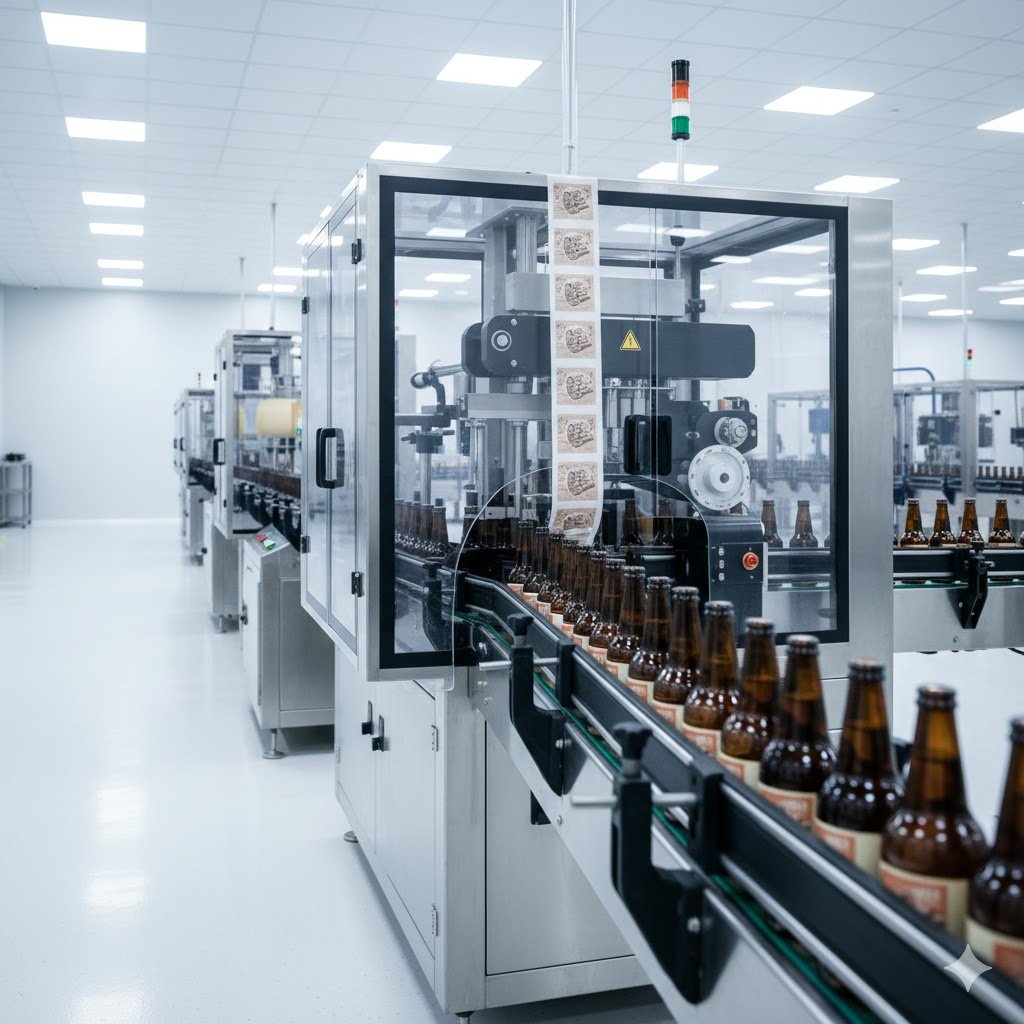
For heavy-duty industrial environments, Automatic Linear Labeling Machines are often the gold standard. They are built for 24/7 operation and can be integrated directly with other equipment, such as a bottle filling machine or a capsule filling machine, to create a fully automated production line. To see these systems in action, you can explore detailed industrial automation standards provided by leading global organizations. `
How to Choose the Best Labeling Machine for Your Business
- Identify Your Container: Is it glass, plastic, or cardboard? Is it round, flat, or oval?
- Determine Production Speed: Do you need to label 10 products per minute or 200?
- Label Material: Are you using paper, clear film, or foil labels?
- Integration Needs: Does the labeler need to communicate with your liquid filling machine or capping machines?
- Budget vs. ROI: A cheaper semi-automatic machine might save money now, but an automatic machine offers a much higher return on investment (ROI) through labor savings. For more on calculating the business value of equipment, check out resources from the Association for Packaging and Processing Technologies (PMMI).
Internal Resources & Related Reading
To build a complete and efficient production line, explore our other expert guides:
- Mastering the Process: Learn about our latest Packaging Machine solutions for end-to-end efficiency.
- Precision Filling: See how to pair your labeler with a high-speed Liquid Filling Machine.
- Advanced Automation: Read our blog post on the benefits of an Automatic Filling Machine for growing businesses.
- Solid Dosage Solutions: Check out our guide on choosing a Capsule Filler Machine.
Frequently Asked Questions (FAQs)
Q: Can one machine label both round and flat bottles?
Some modular machines can handle both with a quick changeover, but most specialized machines are optimized for one specific shape.
Q: How do I maintain my labeling machine?
Regular cleaning of the sensors and rollers is essential. Ensure that adhesive buildup is removed daily to prevent jams.
Q: Does the machine print the labels too?
Some “Print and Apply” models can print batch codes or dates, but most labeling machines apply pre-printed rolls.
Q: What is the difference between an automatic and a semi-automatic labeling machine?
Automatic machines are integrated into a conveyor line and require zero manual intervention per product, making them ideal for high-speed industrial use. Semi-automatic machines require an operator to manually place the product into a jig or press a foot pedal, which is better for small businesses or boutique batches.
Q: Can these machines handle transparent “no-look” labels?
Yes, but you must ensure the machine is equipped with clear label sensors (ultrasonic sensors). Standard optical sensors often cannot “see” the gap between transparent labels on a clear liner.
Q: How do I prevent bubbles and wrinkles during application?
This is usually managed by a “wipe down” or “wrap” station. The machine uses soft rollers or brushes to apply firm, even pressure as the label is dispensed. Ensuring your containers are clean and free of moisture or oils is also critical for a smooth finish.
Final Thoughts
Investing in a high quality labeling machine is one of the most effective ways to professionalize your packaging and scale your output. By choosing a machine that offers a balance of precision and speed, you ensure that your brand always looks its best on the shelf. Whether you are just starting with a semi automatic filling machine or upgrading to a full industrial suite, the right labeling solution is the key to a polished final product. `