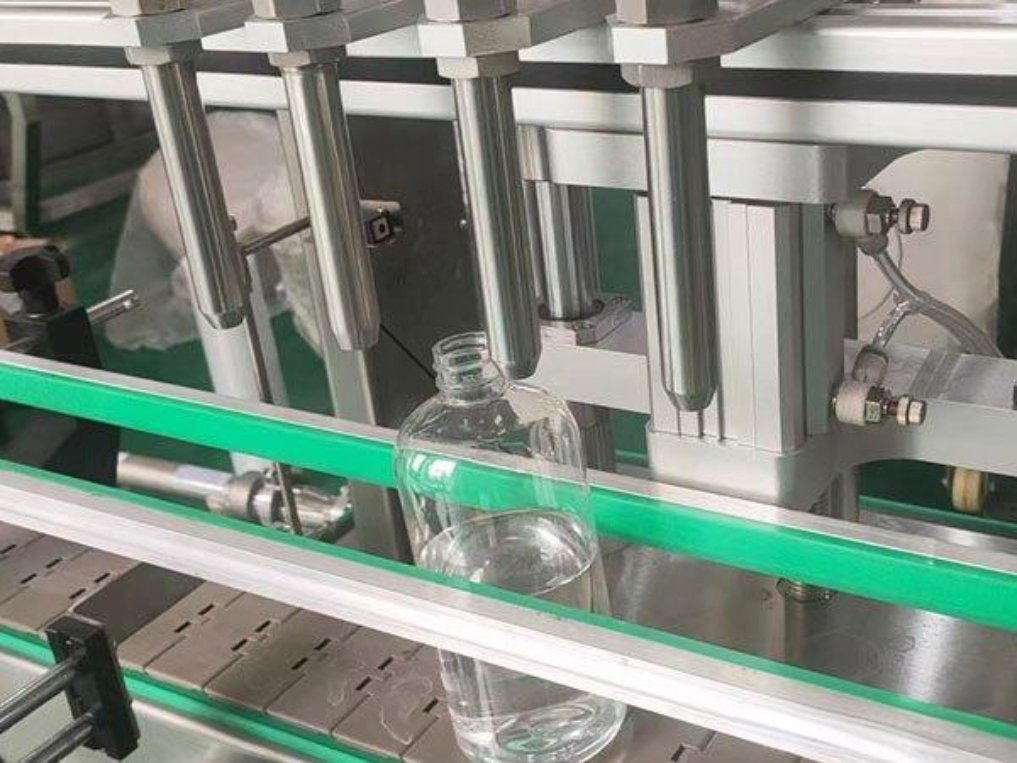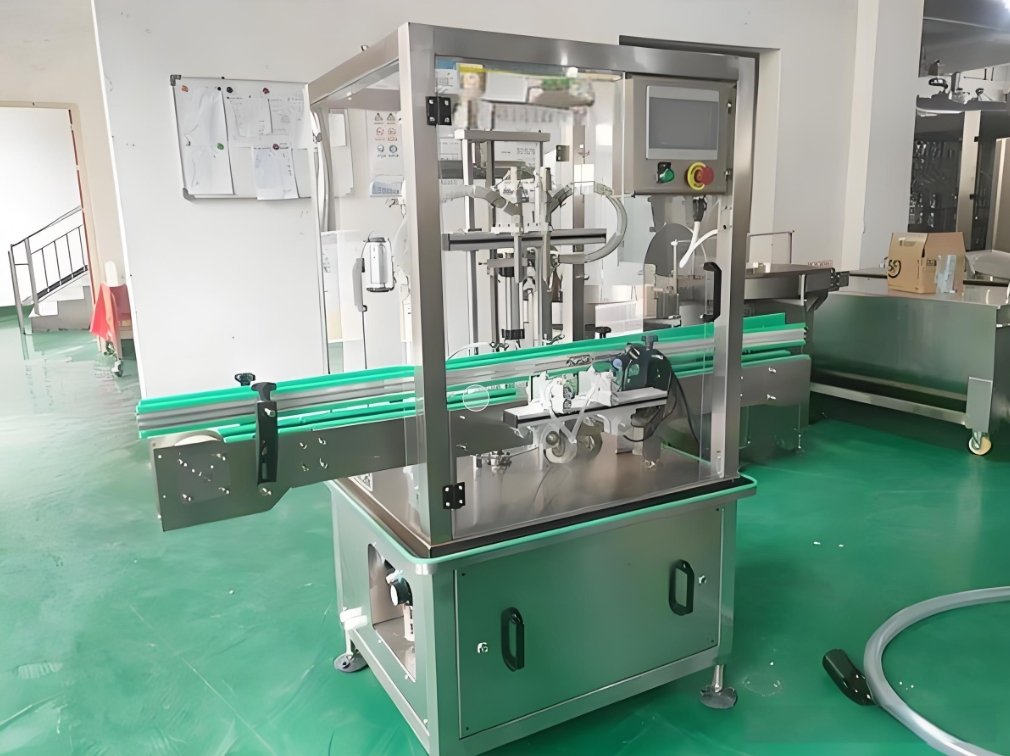
A can seaming machine is the equipment that permanently seals a lid onto a can, and it is the reason canned drinks and food stay fresh and leak-free for months. In short, it joins the lid and the can body with a tight, airtight fold called a double seam. Because that seal is so important, the can seaming machine is one of the most precise machines on any canning line.
Seaming almost always happens right after filling. For example, on a beverage can filling line the can is filled, the lid is placed on top, and the seamer closes it in a fraction of a second. As a result, the filler and the seamer must work in perfect step, which is why they are usually chosen together.
This guide explains, in plain language, what a can seaming machines is, how double seaming actually works, the machine types, the seam defects to watch for, and how to choose the right seamer. First, though, it helps to see where seaming fits within the wider world of can closing and capping, because a double seam is simply a very strong, permanent way of closing a container.
What is can seaming machines?
Quick answer A can seaming machine seals a metal lid, called an end, onto a can body by mechanically folding and interlocking their edges into a double seam. The result is a hermetic, leak-proof, tamper-evident seal that protects the contents. Depending on the model, a can seamer can close a few cans a minute by hand or thousands per minute on a fully automatic line. |
You will also see these machines called can seamers, can sealers, or can closing machines. Whatever the name, the job is the same: create a seam strong enough to hold a vacuum or pressure, keep oxygen out, and keep the product in. Notably, no glue or heat is involved. The seal is purely mechanical, formed by rolling metal against metal.
What is a double seam, and why it matters
The double seam is the heart of the whole process. Essentially, it interlocks five layers of metal, three from the lid and two from the can body, folding them together and pressing them tight. Because those layers hook into one another and are then ironed flat, the joint is extremely strong and completely sealed.
That matters for three reasons. First, the seam is hermetic, so no air or microorganisms can pass through. Second, it is leak-proof, so liquid stays inside even under pressure. Third, it is tamper-evident, because the seam cannot be opened and re-closed without obvious damage. Together, these qualities are what give canned products their long shelf life.
How does a can seaming machines work? Step by step
Although designs vary, almost every can seaming machines follows the same sequence. In practice, it runs like this:
- Flanging (done earlier). The top edge of the can body is curled slightly outward to form a flange that the lid will hook onto.
- Place the lid. After filling, the lid (end) is set on top of the can, its curled edge resting over the flange.
- Clamp and lift. A seaming chuck holds the lid firmly while a lifter or base plate pushes the can up against it, locking everything in position.
- First operation roll. The first roll rolls the lid curl and the body flange together, tucking them under and hooking the layers into a loose seam.
- Second operation roll. The second roll then irons that seam flat, tightening it and pressing out any gaps to complete the double seam.
- Release and eject. Finally, the finished can is lowered and moved on for coding, inspection, and packing.
On vacuum or gas-flush machines, one extra step happens before the rolls engage: air is drawn out, and sometimes nitrogen is added, so the sealed can holds the right internal atmosphere. Because the seam is formed mechanically in two quick stages, a good can seaming machine repeats it identically thousands of times without variation.
The main parts of a can seamer
Four parts do the real work, and knowing them makes seam problems easier to understand:
- Seaming chuck. Holds the lid and sits inside it as an anvil while the seam is formed.
- First operation roll. Curls and hooks the lid and body edges together into the initial seam.
- Second operation roll. Flattens and tightens the seam into its final, sealed shape.
- Lifter or base plate. Raises the can and applies steady pressure against the chuck throughout.
Double seam anatomy and key measurements
Seam quality is measured, not guessed. Canners check a handful of dimensions to confirm the seam is safe. The table below explains the main ones in plain terms.
Measurement | What it is | Why it matters |
Seam thickness | How thick the finished seam is across | Too thick or thin signals a loose or over-tight seam |
Seam height (length) | How tall the seam is top to bottom | Affects how well the layers interlock |
Body hook | How far the body metal folds up inside | Key to seam strength and grip |
Cover (end) hook | How far the lid metal folds down inside | Must overlap the body hook enough |
Overlap | How much body and cover hooks overlap | The core measure of a secure seam |
Countersink depth | Depth from the lid top to the seam | Confirms the lid is seated correctly |
Tightness (wrinkle) | How smooth the hook is, with no wrinkles | Wrinkles mean a weak, leaky seam |
Types of can seaming machines
Seamers scale from small bench units to high-speed lines. Most buyers move up this ladder as their volume grows.
Manual and semi-automatic seamers
Manual and bench-top semi-automatic seamers close one can at a time, with the operator loading and often triggering each cycle. Because they are affordable and compact, they suit startups, craft producers, labs, and small runs.
Automatic seamers
Automatic rotary or inline seamers run continuously with multiple seaming heads, each head effectively a machine of its own. Consequently, they reach far higher speeds and suit steady, high-volume production.
Atmospheric vs vacuum and gas-flush seamers
Atmospheric seamers close the can in normal air. Vacuum and gas-flush seamers, by contrast, remove air or add nitrogen before sealing, which extends shelf life for oxygen-sensitive products such as coffee, some foods, and certain drinks.
Type | Best for | Trade-off |
Manual / semi-automatic | Craft, startups, labs, small runs | Operator-paced, lower output |
Automatic (multi-head) | High, steady volume | Higher cost and footprint |
Vacuum / gas-flush | Oxygen-sensitive products | Added complexity and cost |
Common double seam defects and how to fix them
When a seam goes wrong, the cause is usually a worn roll, a mis-set chuck, or wrong pressure. Here are the defects canners watch for, and their usual fixes:
Defect | What it looks like | Likely cause and fix |
Wrinkles | Ripples in the cover hook | First operation too loose; adjust the first roll |
Cutover / sharp seam | Metal cut or pushed over the top | Chuck or roll set too tight; ease the setting |
False seam | Hooks not interlocked at all | Misaligned lid; check lid feed and placement |
Droop | Seam dips at a point | Product or lid caught in the seam; check filling |
Vee / spinner | Small vee shape or spun seam | Worn rolls or low pressure; service tooling |
Seam bumps | Bumps around the seam | Damaged roll or debris; clean and inspect tooling |
Vacuum and nitrogen (modified atmosphere) seaming
For products that spoil when exposed to oxygen, the atmosphere inside the can matters as much as the seal. Therefore, vacuum seamers pull air out of the can just before the rolls engage, while gas-flush seamers replace that air with nitrogen. As a result, the sealed can contains little or no oxygen, which slows spoilage and protects flavour. This is common for coffee, nuts, some dairy, and certain beverages. It also pairs naturally with a beverage industry line where freshness sells.
What products and cans use seaming?
Can seaming suits any product sold in a rigid can. Common examples include:
- Soft drinks, sparkling water, energy drinks, and canned cocktails.
- Beer and craft drinks. A major growth area, served by machines like those in our beer can filling
- Soups, vegetables, fruit, fish, pet food, and ready meals.
- Coffee and dry goods. Often vacuum or nitrogen sealed for freshness.
On the container side, beverage ends are usually aluminium, while food ends are often tin-plated steel. Bodies can be metal, and in some cases paperboard or plastic. Importantly, each can and lid size needs its own set of change parts, the chuck, base plate, and rolls matched to that format.
How to choose a can seaming machine
Work through these factors in order; each one narrows the choice:
- Estimate cans per minute now and in two years, which sets manual, semi-automatic, or automatic.
- Can sizes and change parts. List every can and lid format, and confirm the machine supports change parts for each.
- Decide whether you need atmospheric, vacuum, or nitrogen gas-flush sealing.
- Line integration. Match the seamer’s speed to your filler so the line runs without a bottleneck.
- Seam quality tools. Look for stable, repeatable seaming and easy access for seam checks.
- Budget and total cost. Weigh purchase price against labour, spare rolls, and downtime over the machine’s life.
Seam quality control and inspection
Because a bad seam can spoil a whole batch, seam checks are a routine part of canning. Operators periodically take a can apart in a controlled way, a teardown, and measure the hooks and overlap with a micrometer or a seam projector. In addition, many modern lines add vision systems that watch seams in real time and flag defects automatically. Regular checks like these, along with sound machine cleaning and maintenance, keep seams safe and consistent.
Can seaming in 2026 and beyond
The technology keeps evolving with the market. Currently, three shifts stand out. First, the craft beverage and canning boom is driving demand for compact, affordable seamers that small producers can run. Second, mobile and on-demand canning services are spreading, which favours portable machines. Third, digital seam inspection, using cameras and sensors, is making seam quality easier to prove without slowing the line. Together, these trends are making can seaming more accessible and more reliable than ever.
Frequently asked questions
What is a can seaming machine?
A can seaming machine seals a metal lid onto a can body by folding and interlocking their edges into a double seam. The result is a hermetic, leak-proof, tamper-evident seal. Models range from manual bench units to high-speed automatic lines.
What is double seaming?
Double seaming is the two-step process a seamer uses to close a can. A first operation roll hooks the lid and body edges together, then a second operation roll irons that seam flat and tight to complete a sealed joint.
Why is a double seam so strong?
Because it mechanically interlocks five layers of metal, three from the lid and two from the body, then presses them tight. No glue or heat is used; the strength comes entirely from the folded, ironed metal.
What is the difference between a manual and automatic can seamer?
A manual or semi-automatic seamer closes one can at a time and suits small runs. An automatic seamer runs continuously with multiple heads for high-volume production. Both form the same double seam.
What is vacuum can seaming?
Vacuum seaming removes air from the can just before the seam is formed, and gas-flush seaming adds nitrogen. Both lower the oxygen inside the can, which extends shelf life for products such as coffee and some foods.
Can a seamer seal both aluminium and steel cans?
Yes, with the correct change parts. Beverage ends are usually aluminium and food ends are often tin-plated steel, and each can and lid size needs a matching chuck, base plate, and rolls.
What causes a leaking can seam?
Usually a defect such as wrinkles, a false seam, or a cutover, caused by worn rolls, a mis-set chuck, or wrong pressure. Regular seam checks and tooling maintenance prevent most leaks.