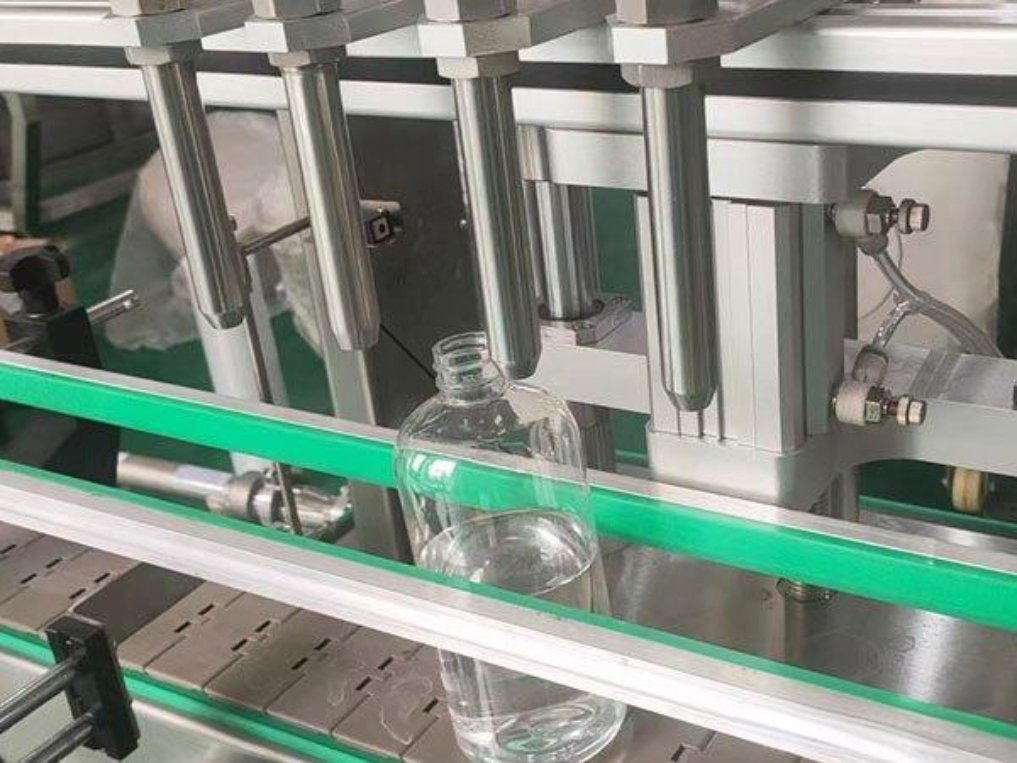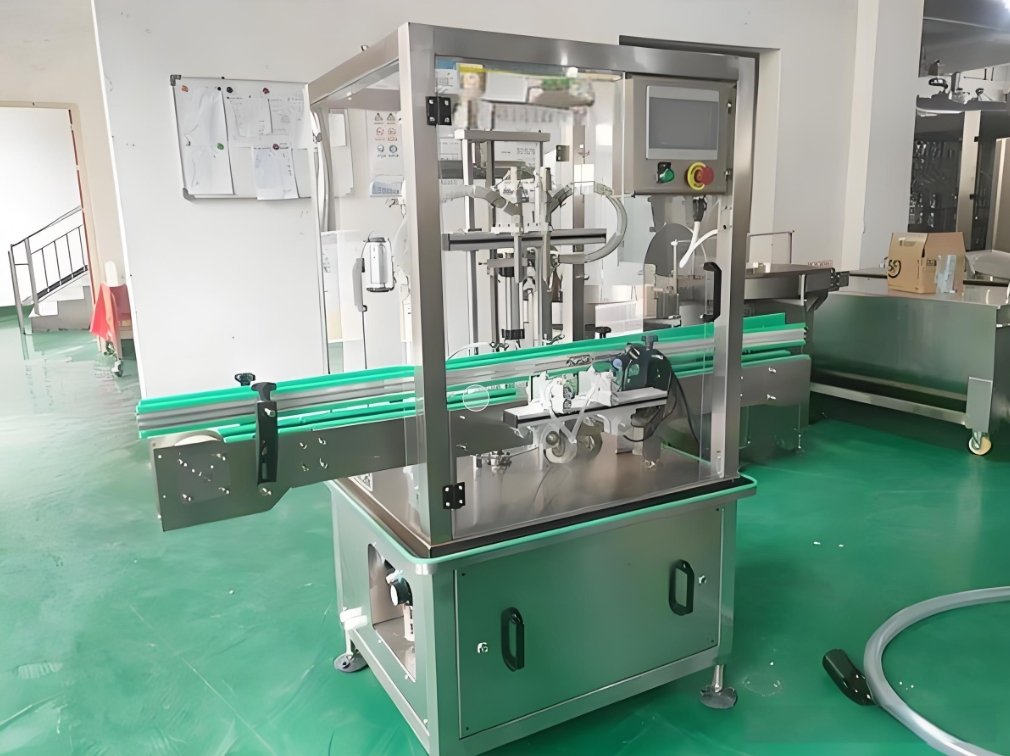
An aseptic filling machine is the equipment that fills a sterilised product into a sterilised package inside a sterile zone, then seals it, so the pack stays safe at room temperature for months. In short, it is the machine behind shelf-stable milk, juice, and plant-based drinks. If you are comparing this with other options, our overview of filling machines and how they work sets the scene.
Because it protects flavour, colour, and nutrients without preservatives, these machines have become central to modern food, beverage,, beverage, and pharmaceutical production. For example, it plays a leading role in the beverage industry, where long shelf life without a cold chain is a real advantage.
This guide explains what the machine is, how it works step by step, the main types, its key parts, and how to choose one. It sits within the wider family of automatic filling solutions, so it helps to picture it as one part of a larger sterile line rather than a single box.
What is an aseptic filling machine?
Quick answer An aseptic filling machine is a filling system that combines a commercially sterile product with a separately sterilised package inside an enclosed, sterile environment, then seals the pack so nothing can recontaminate it. Because product and package are both sterile before they meet, the finished pack is shelf-stable at room temperature, without refrigeration or preservatives. It is also called an aseptic filler or aseptic packaging machine. |
Here is a simple way to picture it. The machine sterilises the drink and the container separately, then brings them together inside a clean, sealed chamber where even the air is filtered. Nothing untreated ever touches either one. That controlled chamber, and the discipline of keeping it sterile, is what sets the machine apart from an ordinary filler.
How does an aseptic filling machine work?
Although designs differ, almost every aseptic filler follows the same sequence. In practice, it runs like this:
- Sterilise the product. The liquid is heated very quickly to a high temperature, held briefly, then cooled fast. This kills microorganisms while limiting damage to flavour and nutrients.
- Hold it sterile. The sterile product waits in a sterilised tank, protected by sterile air or nitrogen, until the filler is ready.
- Sterilise the package. Meanwhile, the machine sterilises the containers and closures, commonly with hydrogen peroxide followed by hot air or steam to remove residue.
- Fill in the sterile zone. Next, the machine meters the sterile product into the sterile package inside an enclosed, filtered-air chamber.
- Seal immediately. The pack is closed at once, locking in sterility and forming an airtight barrier.
- Discharge and check. Finally, sealed packs leave the sterile zone for coding, secondary packing, and quality checks.
Because the product is never exposed to open air after sterilisation, contamination has no chance to take hold. That, in a sentence, is the whole job of the machine.
The three sterile zones the machine must control
Every aseptic filler keeps three things sterile at the same time. If any one fails, the pack is at risk. Therefore, each is controlled carefully:
- A sterile product. Sterilised before it reaches the filler, usually by rapid heating or fine filtration.
- A sterile package. The container and closure are sterilised separately, often with hydrogen peroxide, steam, or radiation.
- A sterile environment. Product and package meet inside an enclosed zone fed with sterile, filtered air at positive pressure, so untreated air cannot leak in.
How the machine sterilises the product and the package
For the product, two methods dominate. UHT (ultra-high-temperature) processing heats the liquid to roughly 135 to 150 degrees Celsius for a few seconds, then cools it fast, which preserves far more flavour and nutrition than long, slow heating. For heat-sensitive products, sterile filtration removes microbes physically instead. For the package, the right method depends on the material, as the table shows.
Package method | How it works | Typical use |
Hydrogen peroxide bath | Cartons dipped in heated H2O2 (about 70-85°C), then dried | Paperboard cartons |
Vaporised H2O2 spray | Fine peroxide vapour applied, then removed with hot air | Bottles and mixed materials |
Saturated steam | High-temperature steam sterilises the surface | Heat-resistant containers |
Gamma irradiation | Pre-sterilises sealed flexible bags before filling | Bag-in-box, large pouches |
Electron beam / UV | Surface sterilisation without heat | Caps, films, closures |
Dry heat | Sustained high heat for moisture-sensitive items | Glass vials and ampoules (pharma) |
Types of aseptic filling machines
Aseptic filling machines are usually grouped by the package they fill. Choosing the right type starts with your container:
- Carton fillers. Form or fill laminated paperboard cartons; the most familiar aseptic pack, common for milk and juice.
- Bottle fillers. Fill sterilised PET or HDPE bottles; used for drinks, dairy, and liquid foods. See our bottle filling machinerange for the wider category.
- Pouch and bag-in-box fillers. Fill flexible pouches or large bags; efficient on material and popular for food service.
- Cup and tray fillers. Fill and seal portion cups and trays for dairy and desserts.
- Pharmaceutical fillers. Fill sterile vials, ampoules, and syringes; blow-fill-seal machines form, fill, and seal in one sterile step.
Machines are also described as rotary or inline by layout, and as low, medium, or high speed by output. In practice, the package format and the required speed together point to the right machine.
Key parts of an aseptic filling machine
In short, a few systems do the critical work, and knowing them makes the machine easier to evaluate:
- Sterile filling chamber. The enclosed zone, fed with filtered air at positive pressure, where filling happens.
- Product sterilisation and hold. The UHT or filtration stage and the sterile tank that feed the filler.
- Package sterilisation system. The hydrogen peroxide, steam, or radiation unit that treats containers and closures.
- Filling and dosing station. Meters the exact product volume into each sterile package.
- Sealing station. Closes the pack immediately to lock in sterility.
- CIP/SIP and controls. Clean-in-place and sterilise-in-place systems, plus sensors that prove sterility holds.
Aseptic filling machine vs hot fill, retort, and ESL
An aseptic filling machine is not the only way to make a product shelf-stable, but it treats the product more gently than most alternatives. Here is how the main methods compare.
Method | How it sterilises | Effect on the product | Best for |
Aseptic filling | Product and package sterilised separately, joined sterile | Gentle; keeps flavour and nutrients | Sensitive liquids, ambient shelf life |
Hot fill | Hot product sterilises the container as it is filled | Some heat impact on flavour | Acidic juices, sauces |
Retort | Filled, sealed pack sterilised under heat and pressure | Strong heat; changes taste and texture | Cans, pouches, ready meals |
ESL | Gentler heat or filtration, hygienic (not fully sterile) fill | Fresh taste, but shorter life | Chilled dairy and juice |
What products and packages use aseptic filling machines?
Typically, these machines suit liquid and semi-liquid products that need a long shelf life without refrigeration. Common examples include:
- Dairy and alternatives. UHT milk, cream, and plant-based milks such as oat, soy, and almond.
- Juices, nectars, coconut water, tea, and functional or nutritional drinks.
- Liquid foods. Soups, broths, sauces, purees, and liquid eggs.
- Sterile injectables, vaccines, and eye drops filled into vials, ampoules, or syringes.
Advantages of an aseptic filling machine
Overall, there are good reasons the technology has spread so widely. In particular, an aseptic filler offers:
- Long ambient shelf life. Products stay safe for months at room temperature, with no cold chain needed.
- No preservatives. Sterility replaces chemical preservatives, which suits clean-label demand.
- Better taste and nutrition. Fast, gentle sterilisation protects flavour, colour, and nutrients.
- Lightweight, sustainable packaging. Thin cartons and pouches use less material and are increasingly recyclable.
- Lower distribution energy. Skipping refrigeration through storage and transport saves energy and cost.
Limitations and cost considerations
For balance, the machine is not right for every product. Because the whole system must be sterile, the equipment is complex and the upfront investment is high. In addition, the sterile zone must be validated, monitored, and cleaned rigorously, which demands skilled operators and careful records. Package formats are also more limited, since every container must be sterilisable and hermetically sealable. For low-value or simple products, therefore, a method such as hot fill may make more sense. These are exactly the food-industry compliance and budget questions worth working through before investing.
How to choose an aseptic filling machine
Work through these factors in order; each one narrows the choice:
- Define what you fill and how heat-sensitive it is, which sets the sterilisation method.
- Package format. Carton, bottle, pouch, cup, or vial; this points to the machine type.
- Estimate units per minute now and in two years, and buy for near-term growth.
- Confirm the build meets the food, beverage, or pharmaceuticalrules in your market.
- Cleaning and validation. Check CIP/SIP, monitoring, and how sterility is proven and recorded.
- Total cost. Weigh purchase price against energy, labour, validation, and downtime over the machine’s life.
Aseptic filling machines in 2026 and beyond
The technology keeps advancing. Currently, three trends stand out. First, demand from plant-based and functional drinks is driving new aseptic capacity, because these products need long shelf life without heavy processing. Second, sustainability is reshaping packaging, with lighter, more recyclable paper-based cartons replacing plastic where possible. Third, newer machines add digital monitoring, using connected sensors to track sterility and performance in real time. Together, these shifts are making aseptic filling faster, cleaner, and greener.
Frequently asked questions
What is an aseptic filling machine?
It fills a sterilised product into a separately sterilised package inside a sterile, filtered-air chamber, then seals it. Because both are sterile before they meet, the pack stays safe at room temperature without preservatives or refrigeration.
How does an aseptic filling machine work?
First it sterilises the product, usually by fast UHT heating or fine filtration. Meanwhile it sterilises the package, often with hydrogen peroxide. Then it fills the sterile product into the sterile package inside a sterile zone and seals it immediately.
What are the types of aseptic filling machines?
They are usually grouped by package: carton fillers, bottle fillers, pouch and bag-in-box fillers, cup and tray fillers, and pharmaceutical vial, ampoule, or blow-fill-seal machines. Layout can be rotary or inline, at low to high speed.
Is an aseptic filler the same as UHT?
Not quite. UHT is one way the machine sterilises the product. The machine also sterilises the package and the environment, then fills and seals under sterile conditions. UHT is a step within it.
What products use aseptic fillers?
Milk and plant-based drinks, juices, coconut water, soups, broths, sauces, liquid eggs, and sterile medicines such as vaccines and eye drops.
How much does an aseptic filling machine cost?
Price varies widely with package format, output, level of automation, and compliance build. Because the whole system must be sterile, aseptic machines cost more than standard fillers, so compare total cost of ownership, not just sticker price.
Why does aseptic packaging not need refrigeration?
Because the product and the package are both sterile and the pack is hermetically sealed, no microorganisms are present to spoil it. It stays stable at room temperature until opened, after which it should be refrigerated.
Contact us
Foshan Popper Machinery is a filling and packaging machinery manufacturer based in Foshan, Guangdong, China. If you are planning a hygienic or automatic filling line for beverages, liquid foods, or other sensitive products, our engineers can help you scope the right configuration. Tell us your product, package, and output target, and we will point you in the right direction.
To get an accurate recommendation, tell us:
- Your product and how sensitive it is to heat and contamination.
- Package type and fill size(carton, bottle, pouch, cup, or vial).
- Target output(units per minute or per day).
- Shelf-life and compliance goalsfor your market.
Send these details and our team will reply, usually within one business day. Every machine ships with installation guidance, operator training resources, spare-part support, and after-sales service.
Start your enquiry on our contact page, or reach us directly using the details below.