Foam is one of the most common headaches on a liquid filling line. It causes underfills, spillage, rejected containers, and slower speeds, and it is almost always fixable. The short answer: foam forms when air is beaten into the product during filling, so you stop it by filling gently, controlling speed, and choosing the right nozzle and machine for your product. This guide explains why liquids foam, then walks through the proven fixes in order of impact.
Why do liquids foam during filling?
Quick answer Liquids foam during filling when air gets whipped into the product. That happens when liquid drops through the air into the container, splashes off the bottom or the sides, or is pushed in too fast and too turbulently. Products that contain surfactants (soaps, shampoos, detergents), proteins (dairy, egg), or dissolved gas (carbonated drinks, beer) foam the most because they trap and hold those air bubbles. |
So foaming has two ingredients: the product’s tendency to hold air, which you often cannot change, and how much air the fill process introduces, which you almost always can. Nearly every fix below works by reducing the second one.
Which products foam the most?
Knowing why your product foams points you to the right fix. Most foamy products fall into these groups:
Product group | Examples | Why it foams |
Surfactant-based | Shampoo, liquid soap, detergent, body wash | Surfactants stabilise bubbles and hold foam |
Protein-rich | Milk, cream, egg, plant milks | Proteins trap air and slow foam collapse |
Carbonated | Beer, soda, sparkling water | Dissolved gas releases as foam when disturbed |
Aerated or whipped | Sauces, some cosmetics | Air already in the product expands during filling |
Low-viscosity, fast-flowing | Juices, thin cleaners | Splash easily when dropped into the container |
How to stop foaming when filling liquids
Work through these fixes roughly in order. The first three solve most foaming problems on their own:
1. Use bottom-up (diving) filling
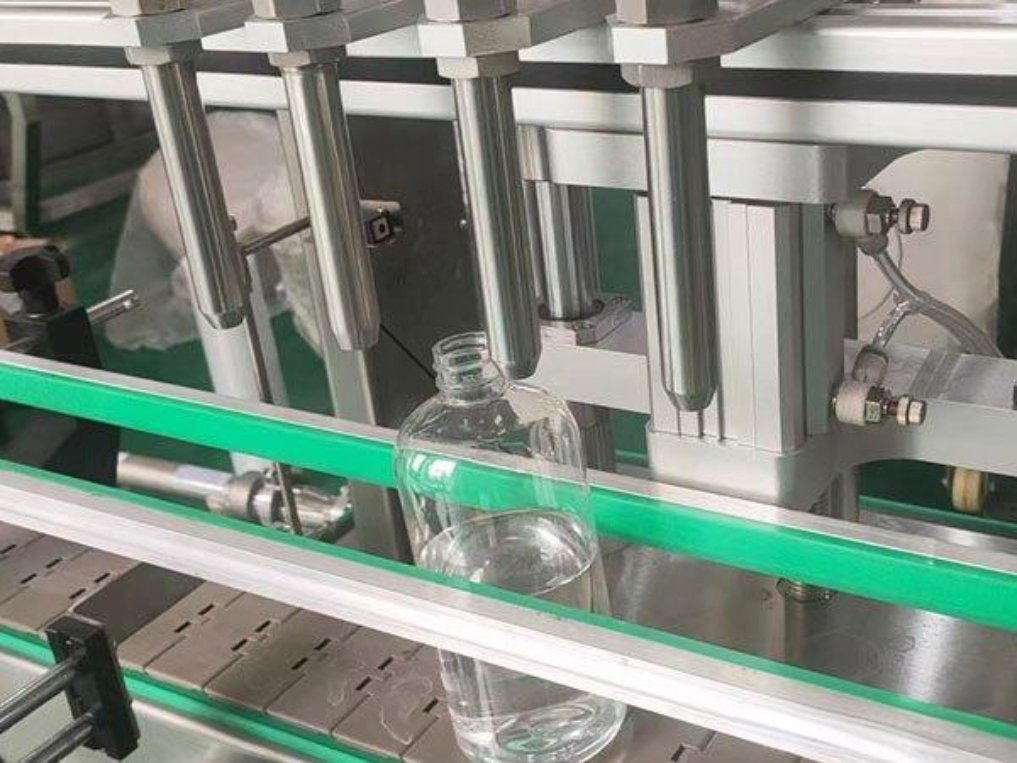
The single most effective fix. The nozzle starts at the bottom of the container and rises as the liquid level climbs, so the product is placed gently below the surface instead of dropped through the air. This keeps the fill quiet and cuts splashing dramatically. It is standard practice for foamy and viscous liquid filling alike.
2. Slow the fill, or use a two-stage speed
Fast, turbulent filling beats air into the product. Slowing the fill reduces foam, but costs speed. A two-stage fill gives you both: fill fast up to most of the target volume, then slow to a gentle top-off for the last part, where foam usually forms. This protects line speed while keeping the finish clean.
3. Fill down the container wall and reduce drop height
If a diving nozzle is not an option, angle or position the nozzle so product runs down the inside wall of the container rather than free-falling onto the bottom. Keep the distance between nozzle and container as short as possible. Less drop means less splashing and less trapped air.
4. Match the filler type to the product
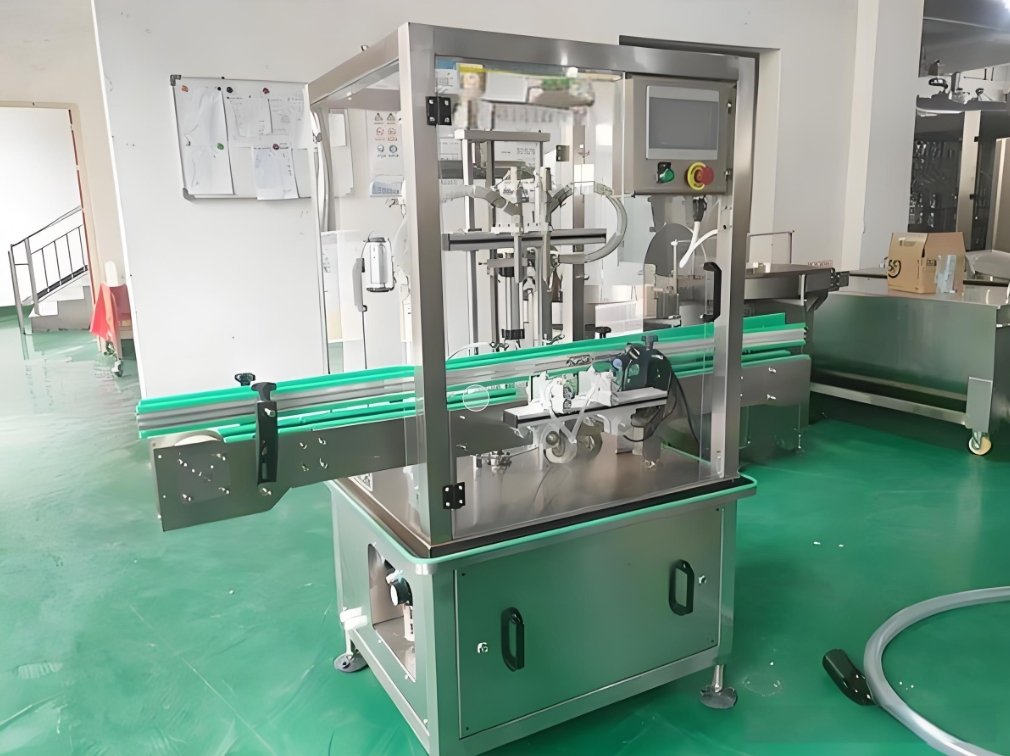
Some machines handle foamy products far better than others. A piston filler moves product gently and meters by volume, which suits thick or foamy liquids. Overflow fillers give a level fill for thin products. For carbonated drinks, a counter-pressure can or bottle filler fills under pressure so the gas stays in solution and does not foam. For extremely foamy products, vacuum filling draws product in with the air removed.
5. Control product temperature
Temperature changes how a product foams. Warming a thick product lowers its viscosity so it flows more smoothly and splashes less, while chilling a carbonated product helps keep gas dissolved. Find the temperature where your product fills cleanly and hold it steady through the run.
6. Let the product settle and degas before filling
Product that has just been pumped, mixed, or transferred is full of entrained air. Giving it a short rest in the tank lets that air rise and escape before filling. For products mixed at speed, a brief settling or gentle de-aeration step removes air at the source rather than fighting it at the nozzle.
7. Use a clean anti-drip nozzle and shut-off
A worn or dribbling nozzle adds turbulence and inconsistent flow, both of which encourage foam. A positive anti-drip shut-off stops flow cleanly at the end of each fill, so no extra product splashes in after the container is full.
8. Consider anti-foam agents, with care
Some industries add a food- or product-safe anti-foam agent that weakens bubble walls so foam collapses quickly. Use this only where it is permitted for your product and clearly declared, and treat it as a supplement to the mechanical fixes above, not a replacement for them.
Best filling machine types for foamy products
If foaming is a constant fight, the machine may be the root cause. This is how the main types compare for foamy liquids:
Filler type | Foam handling | Best for |
Piston (positive displacement) | Very good, gentle, volume-metered | Thick, foamy, or particulate products |
Bottom-up / diving nozzle (any type) | Excellent, fills below the surface | Most foamy liquids |
Overflow | Good for thin products, level fill | Low-viscosity, lightly foaming liquids |
Counter-pressure | Excellent for carbonated | Beer, soda, sparkling water |
Vacuum | Excellent for very foamy products | Hard-to-fill, highly foaming liquids |
Simple gravity (top drop) | Poor, splashes easily | Non-foaming, free-flowing liquids only |
Foaming troubleshooting checklist
When foam appears mid-run, check these in order:
Symptom | Likely cause | Quick fix |
Foam only on top-off | Final fill too fast | Add or slow the two-stage top-off |
Foam from the start | Nozzle too high, product dropping | Lower the nozzle or use bottom-up fill |
Sudden new foaming | Product freshly pumped or mixed | Let the tank settle before filling |
Foam plus underfills | Air counted as volume | Fill gently, allow settle time, re-check dose |
Carbonated product foaming | Filled at ambient pressure | Use a counter-pressure filler, chill product |
Why foaming is worth fixing
Foam is not just messy. It leads to underfilled containers and label-weight problems, product lost to spillage, containers rejected and re-run, and slower line speeds as operators wait for foam to settle. Solving it protects both your fill accuracy and your output. For related line issues, see our guides on common filling machine problems and troubleshooting liquid filling machines.
Frequently asked questions
How do I stop my liquid filling machine from foaming?
Fill gently and control the air you introduce. The three highest-impact steps are bottom-up (diving) filling, a slower or two-stage fill speed, and filling down the container wall to reduce splashing. If foaming persists, match the filler type to your product.
What causes foaming during bottle filling?
Foaming is caused by air being beaten into the product, usually when liquid drops through the air and splashes into the container, or is filled too fast. Products with surfactants, proteins, or dissolved gas hold that air as foam.
What is bottom-up filling?
Bottom-up or diving filling is where the nozzle starts near the bottom of the container and rises as the liquid level climbs, placing product gently below the surface instead of dropping it through the air. It is the most effective way to reduce foam.
Does fill speed affect foaming?
Yes. Faster, more turbulent filling introduces more air and more foam. A two-stage fill, fast for most of the volume then slow for the top-off, reduces foam while protecting line speed.
Which filling machine is best for foamy products?
Piston fillers and any machine with a bottom-up diving nozzle handle foamy products well. Carbonated drinks need a counter-pressure filler, and very foamy products may need vacuum filling.
Can I use an anti-foam agent?
Only where it is permitted for your product and properly declared. Treat anti-foam agents as a supplement to mechanical fixes such as bottom-up filling and speed control, not a replacement.
Why do carbonated drinks foam when filling?
Carbonated drinks release dissolved gas as foam when disturbed. Filling under pressure with a counter-pressure filler and keeping the product cold helps keep the gas in solution during filling.