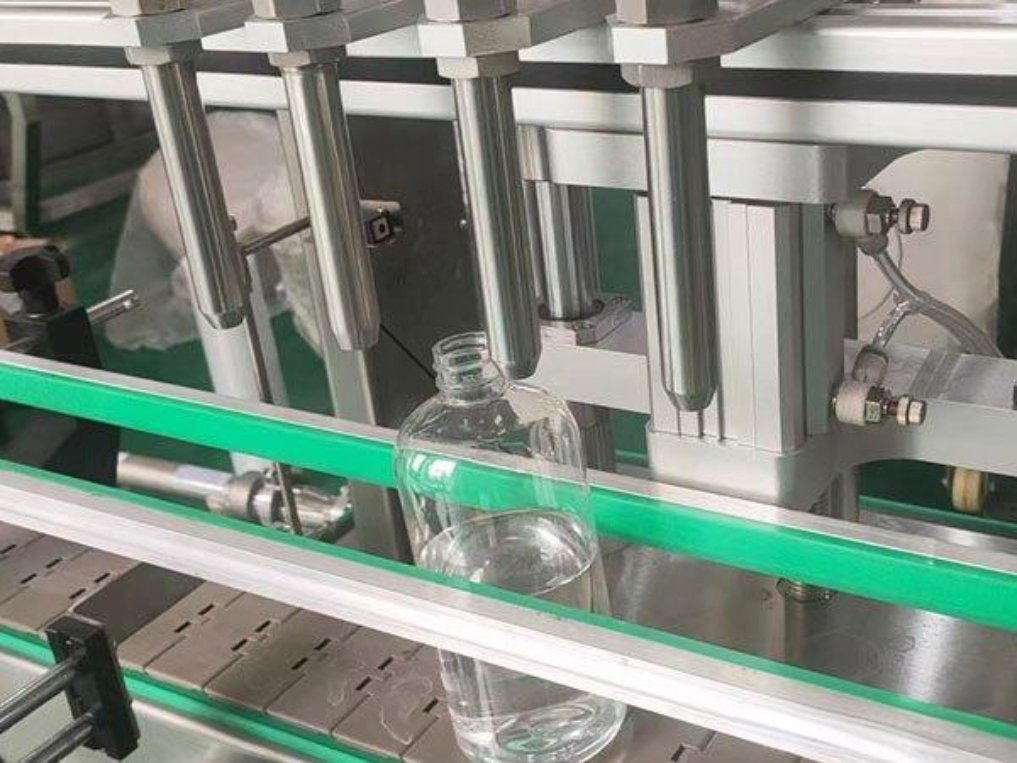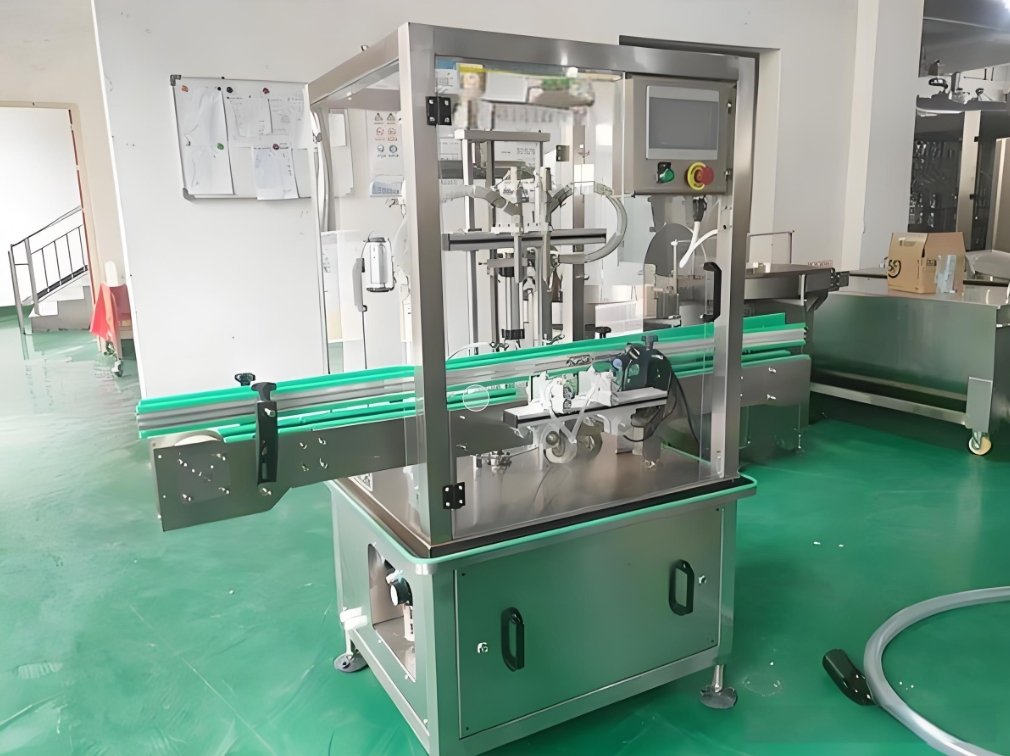
Choosing the right filling machine nozzle is one of the most important decisions in any liquid, cream, paste, sauce, cosmetic, food, chemical, or pharmaceutical filling line. Many buyers focus only on the filling machine body, pump, piston, speed, or automation level, but the nozzle is the final contact point between the product and the container. If the nozzle is not correct, even a high-quality machine can still create dripping, foaming, splashing, stringing, inaccurate fills, or product waste.
A filling nozzle controls how the product enters the bottle, jar, tube, pouch, or container. It affects fill accuracy, hygiene, container cleanliness, production speed, and the final appearance of the packaged product. For thin liquids, the nozzle must control splashing and dripping. For thick products, it must allow smooth flow without clogging. For foaming liquids, it may need bottom-up filling. For sticky products such as honey, syrup, cream, or gel, an anti-drip design is often necessary.
If you are still comparing complete filling systems, you can also read our guide on automatic filling machines and our detailed guide to liquid filling machines.
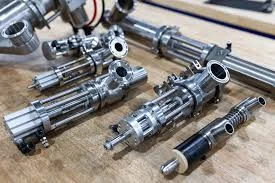
What Is a Filling Machine Nozzle?
A filling machine nozzle is the dispensing component that delivers a measured amount of product into a container. It connects to the filling system through a piston, pump, gravity tank, overflow system, or servo-controlled dosing unit. The nozzle opens, dispenses the product, then stops the flow when the target volume or fill level is reached.
The nozzle may look like a small part, but it performs several important jobs:
- Controls product flow into the container
- Reduces dripping after each filling cycle
- Prevents splashing and foaming
- Helps maintain fill accuracy
- Supports clean and hygienic filling
- Handles different container openings
- Works with different product viscosities
- Improves production consistency
For manufacturers handling thick products, nozzle selection becomes even more important. A viscous liquid filling machine usually needs a different nozzle than a water, juice, solvent, or perfume filling system.
Main Types of Filling Machine Nozzles
Different products need different nozzle designs. Below are the most common filling machine nozzle types used in modern packaging lines.
1. Straight Filling Nozzle
A straight filling nozzle is one of the simplest and most common nozzle types. It allows liquid to flow directly into the container from above. This design is usually used for thin and free-flowing liquids that do not foam heavily.
Straight nozzles are commonly used for:
- Water
- Juice
- Edible oil
- Light cleaning liquids
- Non-foaming chemical liquids
- Thin pharmaceutical liquids
This nozzle type is easy to clean, simple to install, and suitable for many standard bottle filling applications. However, it may not be the best option for foaming liquids, very sticky products, or thick materials that need clean cut-off control.
For standard bottles, this nozzle can work well with a bottle filling machine when the product flows easily and does not require special handling.
2. Anti-Drip Filling Nozzle
An anti-drip filling nozzle is designed to stop product from dripping after the filling cycle ends. This is one of the most useful nozzle types for products that leave residue, strings, or drops around the bottle mouth.
Anti-drip nozzles are commonly used for:
- Shampoo
- Lotion
- Gel
- Honey
- Syrup
- Sauce
- Liquid soap
- Cosmetic cream
- Detergent
- Light paste products
The main advantage is cleaner production. Less dripping means fewer contaminated bottle surfaces, fewer rejected containers, and less manual cleaning. It also helps reduce product waste, which is important for expensive cosmetics, pharmaceuticals, and specialty food products.
If your current production line has product loss around the bottle neck or conveyor, review our guide on how to reduce product waste in filling machine operations.
3. Diving Filling Nozzle
A diving nozzle moves down into the container during filling and rises as the container fills. This bottom-up filling method is useful when the product foams, splashes, or traps air.
Diving nozzles are suitable for:
- Foaming cleaners
- Shampoo
- Liquid soap
- Detergents
- Cosmetic liquids
- Some beverage products
- Certain chemical liquids
The main benefit is controlled filling. Instead of dropping liquid from the top, the nozzle fills from inside the container. This reduces foam, air pockets, and splash marks. It also improves fill consistency, especially for products that are sensitive to agitation.
Diving nozzles are often used in automatic filling lines where speed and clean filling are both important.
4. Overflow Filling Nozzle
An overflow nozzle fills containers to the same visible level rather than only relying on volume. This is especially useful for clear bottles where shelf appearance matters. Even if containers have small internal volume differences, the liquid level still looks consistent.
Overflow nozzles are commonly used for:
- Perfume
- Glass bottle products
- Transparent shampoo bottles
- Cleaning liquids
- Low-viscosity cosmetics
- Some beverage products
- Products where visual fill level matters
This nozzle type is best for thin to medium liquids. It is not usually the first choice for very thick creams, pastes, or chunky products.
Overflow systems are useful when branding and packaging appearance are important. A consistent fill line helps the final product look more professional on store shelves.
5. Piston Filling Nozzle
A piston filling nozzle works with a piston filling system. The piston draws a measured volume of product and pushes it through the nozzle into the container. This setup is widely used for thick liquids and semi-viscous products.
Piston filling nozzles are commonly used for:
- Sauces
- Creams
- Gels
- Honey
- Paste
- Lotions
- Peanut butter
- Condiments
- Pharmaceutical creams
- Cosmetic products
The piston system gives strong control over fill volume, while the nozzle controls clean dispensing. This combination is one of the best options for accuracy and repeatability.
For a deeper look at this technology, read our guide on piston filling machine benefits.
6. Rotary Cut-Off Nozzle
A rotary cut-off nozzle is designed for thick, sticky, or product-heavy materials that need a clean stop after dispensing. Instead of simply shutting off the flow, the rotary mechanism helps cut the product cleanly.
This nozzle type can be useful for:
- Thick sauces
- Pastes
- Food bases
- Sticky syrups
- High-viscosity gels
- Products with small particulates
- Thick cosmetic materials
Rotary cut-off nozzles are especially helpful when a normal nozzle leaves strings or tails after each fill. They improve package cleanliness and reduce the need for manual wiping.
7. Guillotine Cut-Off Nozzle
A guillotine cut-off nozzle is built for very thick or dense products that need a strong mechanical cut at the end of the fill. It is more specialized than a basic anti-drip nozzle.
It may be used for:
- Dough-like products
- Meat paste
- Cheese products
- Thick food mixtures
- Dense bakery fillings
- Heavy industrial pastes
This nozzle is not required for every filling line, but it can be very useful when the product does not break cleanly from a standard nozzle. It is normally selected after testing the product’s texture, flow behavior, and fill volume.
8. Capillary Nozzle
A capillary nozzle is used for thin liquids that require controlled, narrow, and clean dispensing. It provides smooth flow and helps prevent dripping when filling small containers or narrow openings.
Capillary nozzles may be used for:
- Essential oils
- Perfumes
- Flavors
- Lab liquids
- Pharmaceutical liquids
- Small bottle filling
- Low-volume precision filling
This nozzle type is useful when the fill volume is small and accuracy is important. It is often selected for products where even a small filling error can affect cost, dosing, or customer experience.
9. Diaphragm Nozzle
A diaphragm nozzle uses a flexible diaphragm to open and close the flow path. It is often used for thin liquids where fast shut-off and clean filling are needed.
Diaphragm nozzles are suitable for:
- Thin chemicals
- Light liquids
- Pharmaceutical liquids
- Some cosmetic liquids
- Low-viscosity cleaning products
The design is simple, responsive, and easy to control. It is often chosen where dripping must be minimized without using a more complex mechanical cut-off design.
10. Plug Spout Nozzle
A plug spout nozzle is a strong general-purpose dispensing nozzle used in many industrial filling applications. It can be designed with different valve materials and opening sizes based on the product.
Plug spout nozzles may be used for:
- Sauces
- Creams
- Lotions
- Food products
- Chemical liquids
- Viscous products
- Products needing clean shut-off
This type of nozzle is popular because it can be adapted to different production requirements. It may also be customized for product shear, air control, and clean filling performance.
11. Custom Filling Nozzle
Some products do not work perfectly with standard nozzle types. In these cases, a custom filling nozzle may be required. Custom nozzles are designed around the product’s viscosity, temperature, texture, particulates, container opening, and production speed.
Custom filling nozzles may be needed for:
- Unusual bottle shapes
- Very narrow container openings
- High-value products
- Sticky or stringy products
- Hot-fill products
- Products with particulates
- Special sanitary requirements
- High-speed automatic lines
A custom nozzle can improve accuracy, reduce downtime, and solve problems that standard parts cannot fully address.
How to Choose the Right Filling Machine Nozzle
The best nozzle depends on the product, container, speed, hygiene requirements, and filling method. Before choosing a nozzle, answer these questions.
1. What Is the Product Viscosity?
Viscosity means how thick or thin the product is. Water flows easily, while honey, paste, cream, and gel need more force and better cut-off control.
For thin liquids, straight, capillary, overflow, or diaphragm nozzles may work well. For thick liquids, piston, anti-drip, rotary cut-off, or custom nozzles are usually better.
2. Does the Product Foam?
Foaming products need controlled filling. A diving nozzle or overflow nozzle can help reduce foam and improve fill appearance. Filling from the bottom up is often better than top filling for foaming liquids.
3. Does the Product Drip or String?
Sticky products often leave residue after filling. Anti-drip, plug spout, rotary cut-off, or piston nozzles can help reduce dripping and stringing.
If leakage is already a production issue, review our guide on how to prevent filling machine leakage problems.
4. What Type of Container Are You Filling?
The container opening, height, shape, and material affect nozzle choice. A narrow bottle needs a different nozzle than a wide-mouth jar. Flexible containers also need more careful control than rigid bottles.
5. Is Fill Appearance Important?
For transparent bottles, visible fill level matters. Overflow nozzles are often the best choice when every bottle must look evenly filled on the shelf.
6. What Is the Required Fill Volume?
Small-volume products may need capillary or precision nozzles. Large-volume products may need wider openings, stronger flow, or multi-head filling systems.
7. What Hygiene Standard Is Required?
Food, pharmaceutical, and cosmetic production often require sanitary nozzles made from stainless steel and designed for easy cleaning. For these industries, nozzle design should support fast disassembly, smooth surfaces, and minimal product residue.
Filling Nozzle Selection by Product Type
| Product Type | Recommended Nozzle Type | Why It Works |
|---|---|---|
| Water, juice, thin oil | Straight nozzle, diaphragm nozzle | Simple flow and fast filling |
| Perfume, essential oil | Capillary nozzle | Better control for small volumes |
| Shampoo, liquid soap | Diving nozzle, anti-drip nozzle | Reduces foam and dripping |
| Honey, syrup, sauce | Piston nozzle, anti-drip nozzle | Handles thickness and sticky flow |
| Creams and gels | Piston nozzle, plug spout nozzle | Better control for viscous products |
| Thick paste | Rotary cut-off or custom nozzle | Cleaner cut-off |
| Foaming cleaners | Diving nozzle or overflow nozzle | Controls foam and fill appearance |
| Clear bottle products | Overflow nozzle | Consistent visible fill level |
| Products with particulates | Rotary cut-off or custom nozzle | Reduces clogging and uneven flow |
Common Filling Nozzle Problems and Solutions
Dripping After Filling
Dripping usually happens when the nozzle does not close quickly enough, the product is too thin, or the product is sticky. Use an anti-drip nozzle, diaphragm nozzle, or plug spout design.
Foaming During Filling
Foaming happens when the liquid enters the container too aggressively. Use a diving nozzle, reduce fill speed, or adjust filling pressure.
Splashing Around the Bottle Mouth
Splashing can happen when the nozzle is too high, the liquid flow is too fast, or the container opening is too narrow. Adjust nozzle height, use bottom-up filling, or reduce flow rate.
Clogging
Clogging can happen with thick products, particulates, or products that dry quickly. Use a larger nozzle opening, rotary cut-off design, or custom nozzle.
Inaccurate Fill Volume
Inaccuracy may come from air pockets, unstable product supply, wrong pump settings, or nozzle blockage. Clean the nozzle, check the filling system, and confirm that the nozzle matches the product viscosity.
For broader machine-level issues, see our filling machine troubleshooting guide.
Best Materials for Filling Machine Nozzles
Most industrial filling nozzles are made from stainless steel because it is durable, corrosion-resistant, and suitable for food, cosmetic, and pharmaceutical applications. SS304 is common for general use, while SS316L is often preferred for higher sanitary requirements, corrosive products, or pharmaceutical production.
Other nozzle components may include food-grade seals, gaskets, diaphragms, or valve materials. The correct material depends on the product’s chemical properties, temperature, cleaning method, and compliance requirements.
Should You Choose a Standard or Custom Nozzle?
A standard nozzle is suitable when the product is simple, the container is common, and the filling speed is moderate. A custom nozzle is better when the product is difficult to handle or the packaging requirement is unusual.
Choose a custom nozzle if:
- The product drips or strings after filling
- The product contains particulates
- The container opening is very small
- The product foams heavily
- The line runs at high speed
- The product is expensive and waste must be reduced
- The product requires special sanitary handling
- Standard nozzles cause repeated downtime
The right nozzle can reduce maintenance, improve filling accuracy, and protect product quality.
Need Help Choosing the Right Filling Nozzle?
Choosing a filling nozzle is not just a parts decision. It affects speed, accuracy, leakage, hygiene, and final packaging quality. If you are not sure which nozzle is right for your liquid, cream, sauce, gel, paste, chemical, or cosmetic product, our team can help you match the correct filling machine and nozzle configuration.
Contact FillingMachinePP to discuss your product, container size, fill volume, and target production speed.
Final Thoughts
The right filling machine nozzle can make a major difference in production performance. A well-matched nozzle improves accuracy, reduces leakage, prevents splashing, controls foam, and keeps containers clean. A poor nozzle choice can create waste, downtime, inconsistent fills, and unnecessary cleaning work.
For thin liquids, a straight, diaphragm, capillary, or overflow nozzle may be enough. For thick products, anti-drip, piston, rotary cut-off, plug spout, or custom nozzles may be the better choice. The best option always depends on product viscosity, container type, fill volume, production speed, and hygiene requirements.
If you are planning a new filling line, compare the nozzle together with the pump, piston, hopper, control system, and container handling system. For budget planning, you can also read our full filling machine price guide.
FAQs About Filling Machine Nozzle Types
What is the best filling machine nozzle for thick liquids?
For thick liquids such as honey, sauce, cream, paste, and gel, piston filling nozzles, anti-drip nozzles, plug spout nozzles, and rotary cut-off nozzles are often the best choices. The final selection depends on viscosity, stickiness, particulates, and container opening size.
Which nozzle is best for foaming liquids?
A diving nozzle is usually best for foaming liquids because it fills from inside the container and reduces air mixing. Overflow nozzles may also help when a consistent visible fill level is required.
What is an anti-drip filling nozzle?
An anti-drip filling nozzle is designed to stop product from dripping after each fill cycle. It is commonly used for shampoo, lotion, honey, syrup, sauces, gels, and other products that can leave residue around the bottle mouth.
What nozzle should be used for clear bottles?
Overflow nozzles are often used for clear bottles because they fill each container to the same visible level. This creates a cleaner and more consistent shelf appearance.
Can one filling nozzle handle all products?
No. One nozzle cannot handle every product perfectly. Thin liquids, foaming liquids, sticky products, thick pastes, and products with particulates often need different nozzle designs.
Why does my filling nozzle drip after filling?
Dripping can happen because of wrong nozzle design, product viscosity, air pressure, delayed shut-off, or worn seals. An anti-drip nozzle, diaphragm nozzle, or plug spout nozzle can often solve this problem.
Are stainless steel filling nozzles better?
Yes, stainless steel nozzles are widely preferred for industrial filling because they are durable, easy to clean, and suitable for food, cosmetic, chemical, and pharmaceutical production. SS316L is often preferred for stricter sanitary or corrosion-resistant applications.
How do I choose the right filling nozzle?
Choose the nozzle based on product viscosity, foaming behavior, dripping risk, fill volume, container opening, production speed, and hygiene requirements. Product testing is the safest way to confirm the best nozzle before full production.