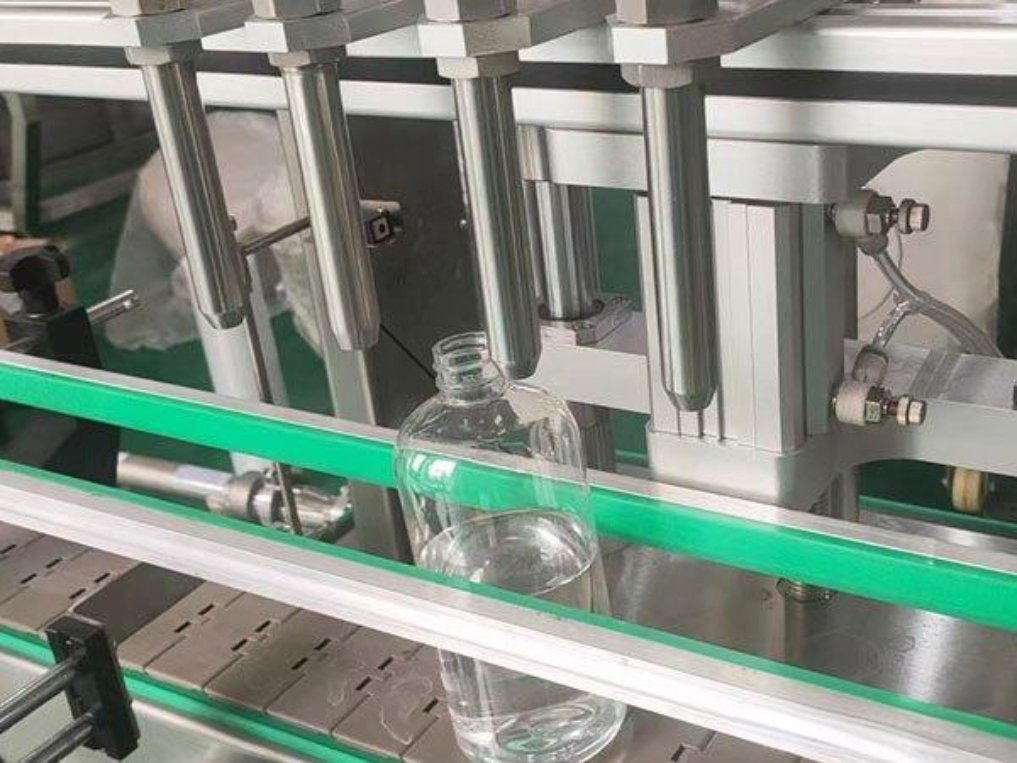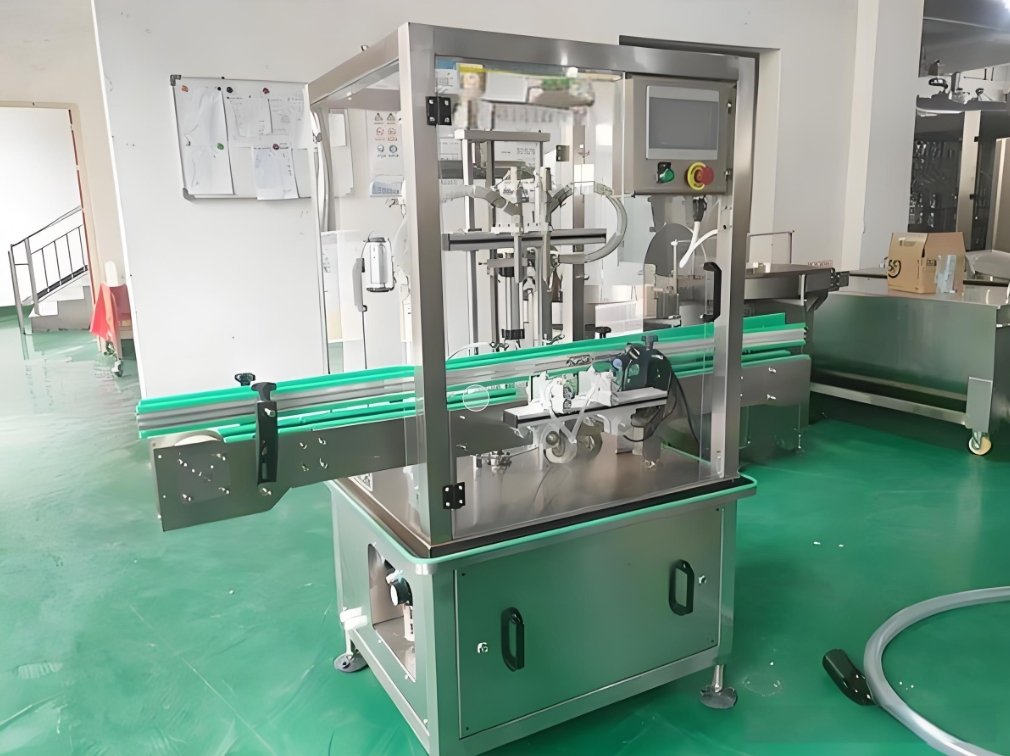
If you fill creams, gels, lotions, sauces, honey, lubricants, or any thick product, a standard liquid filler will fight you dripping at the nozzle, trapping air pockets, and giving inconsistent fill weights that fail QC. Viscous products need a machine built around pressure and positive displacement, not gravity.
This guide compares the four viscous liquid filling machine types, shows which viscosity range each one suits, and provides a buyer’s checklist so you choose the right filler the first time.
Quick answer:
- For most creams, gels, and sauces → Piston filling machine
- For highest accuracy / frequent changeovers → Servo-pump filler
- For smooth continuous products → Gear / rotary-pump filler
- For very thick pastes → Auger filler
Start semi-automatic for small runs and move to automatic as volume grows.
What Counts as a “Viscous” Liquid?
Viscosity is a liquid’s resistance to flow, measured in centipoise (cP). Water ≈1 cP; the thicker the product, the higher the cP and the more push a machine needs. Approximate ranges:
| Approx. Viscosity | Flow Behavior | Example Products |
| 1–100 cP | Thin, free-flowing | Water, juice, light oils, solvents |
| 100–2,000 cP | Slightly thick | Shampoo, light syrup, motor oil |
| 2,000–20,000 cP | Viscous | Honey, glycerin, liquid soap, shower gel |
| 20,000–100,000 cP | Thick / cream | Ketchup, lotion, conditioner, sour cream |
| 100,000+ cP | Paste / semi-solid | Toothpaste, heavy creams, grease, peanut butter |
Tip: If unsure, send a sample to your equipment supplier for a fill test. It’s the best way to avoid buying the wrong machine.
Why Viscous Liquids Need a Different Machine
Gravity or overflow fillers rely on free-flowing liquids. Thick products become slow, inaccurate, or messy. Viscous fillers solve this by mechanically pushing measured volumes into containers. Additional features:
- Bottom-up diving nozzles → reduce air bubbles
- Heated hoppers → thin hot-fill products
- Agitators → keep product moving
Types of Viscous Liquid Filling Machines
1. Piston Filling Machine Workhorse
- Draws fixed volume into cylinder → pushes into container
- Handles thick products & particulates (chunky sauces, salsas)
- Most cost-effective entry into viscous filling
Specs:
- Best for: creams, gels, heavy sauces, lotions, products with particulates
- Pros: Accurate, affordable, handles particulates, simple to operate
- Cons: Volume changeover takes time; very high accuracy needs servo control
2. Servo-Pump (Positive-Displacement) Filler Highest Accuracy
- Servo-driven pump, touchscreen control
- Ideal for tight tolerances & fast changeovers
Specs:
- Best for: high-accuracy needs, frequent product/volume changeovers, premium lines
- Pros: Excellent accuracy, fast recipe changeover, drip-free
- Cons: Higher upfront cost
3. Gear / Rotary-Pump Filler Continuous Smooth Products
- Continuous pump flow
- Ideal for smooth, particulate-free viscous liquids
Specs:
- Best for: smooth oils, syrups, light-to-medium creams, gels without particulates
- Pros: Smooth continuous flow, good for medium viscosities
- Cons: Not ideal for particulates or very thick pastes
4. Auger Filler Very Thick Pastes
- Rotating screw meters & pushes thick paste-like products
Specs:
- Best for: toothpaste, heavy creams, greases, thick adhesives and pastes
- Pros: Handles thickest products; good metering of pastes
- Cons: Specialized; less suited to thinner liquids
Viscous Filler Comparison Table
| Machine Type | Viscosity Range | Particulates? | Accuracy |
| Piston Filler | 2,000–100,000 cP | Yes | High |
| Servo-Pump Filler | 2,000–100,000+ cP | Some | Very High |
| Gear / Rotary-Pump | 100–20,000 cP | No | High |
| Auger Filler | 100,000+ cP | Yes (pastes) | High |
Recommended Viscous Filling Machines of 2026
| Tier | Recommended Machine | Best For |
| Best Value (Semi-Auto) | 2-head semi-automatic filler | Startups, small batches, 50 mL–5 L fills |
| Best All-Rounder | Automatic 4/6-head filler | Growing brands, creams, sauces, oils |
| Best High-Accuracy | Servo-pump filler | Premium lines, frequent changeovers |
Semi-Auto 2-Head Filler
- Filling heads: 2
- Fill range: 50 mL – 5 L
- Output: ~16–20 bottles/min at 1 L
- Fill material: low- & high-density liquids, viscous, hot or cold
- Contact parts: SS 316; frame/body SS 304
- Control: keypad-set volume
- Best for: startups, R&D, low-volume production
Automatic 4/6-Head Filler
- Filling heads: 2 / 4 / 6 / 8 (configurable)
- Fill size: 5 mL – 25 L
- Production rate: 20–60 bottles/min
- Containers: plastic, glass, HDPE, tins
- Contact parts: SS 316; linear pump-based
- Options: heated hopper, agitator, anti-drip diving nozzles
See automatic multi-head fillers
Servo-Pump Filler
- Accuracy: ±0.5–1% per fill
- Control: PLC + HMI touchscreen, multi-recipe storage
- Contact parts: SS 316; food/cosmetic/pharma-grade
- Best for: lubricants, detergents, honey, premium cosmetics
How to Choose the Right Viscous Liquid Filling Machine: 7 Questions
- What is your product’s viscosity? Match to cP range.
- Does your product contain particulates?
- What containers and fill volumes do you use?
- What output do you need? Semi-auto vs automatic.
- Do you hot-fill, or does the product foam?
- What accuracy and compliance do you require?
- Will it integrate with your line?
Common Viscous Filling Problems
- Dripping / stringing: anti-drip nozzles
- Air pockets / bubbles: bottom-up diving nozzles
- Clogging: piston and auger push particulates
- Inconsistent flow: hopper agitators
Viscous liquid filling best practices
Frequently Asked Questions
Q1: Which filling machine is best for viscous liquids?
A piston filling machine is ideal for most creams, gels, and sauces. For applications requiring the highest accuracy or frequent changeovers, a servo-pump filler is recommended. Auger fillers are best suited for very thick pastes and semi-solid products.
Q2: Can viscous fillers handle products with particulates?
Yes. Piston and auger fillers efficiently handle chunky products like salsas or heavy sauces. Gear/rotary-pump fillers are not recommended for products containing particulates, as they may clog.
Q3: What is the difference between a piston filler and a servo-pump filler?
Both use positive-displacement technology. Piston fillers are cost-effective and reliable for standard applications, while servo-pump fillers offer tighter accuracy and faster recipe changeovers via touchscreen controls.
Q4: Is a heated hopper necessary?
A heated hopper is only required if you hot-fill products or work with liquids that flow better at elevated temperatures, improving fill consistency.
Q5: How accurate are viscous liquid filling machines?
Piston fillers deliver high consistency suitable for most applications. Servo-pump fillers achieve the highest tolerances, while actual accuracy depends on product viscosity, nozzle setup, and fill volume.
Bottom Line:
Choose the right viscous liquid filling machine for your product’s viscosity, container, and output. Piston = cost-effective; servo-pump = high accuracy; auger = thickest pastes. Send a sample for a free fill test → contact our team .