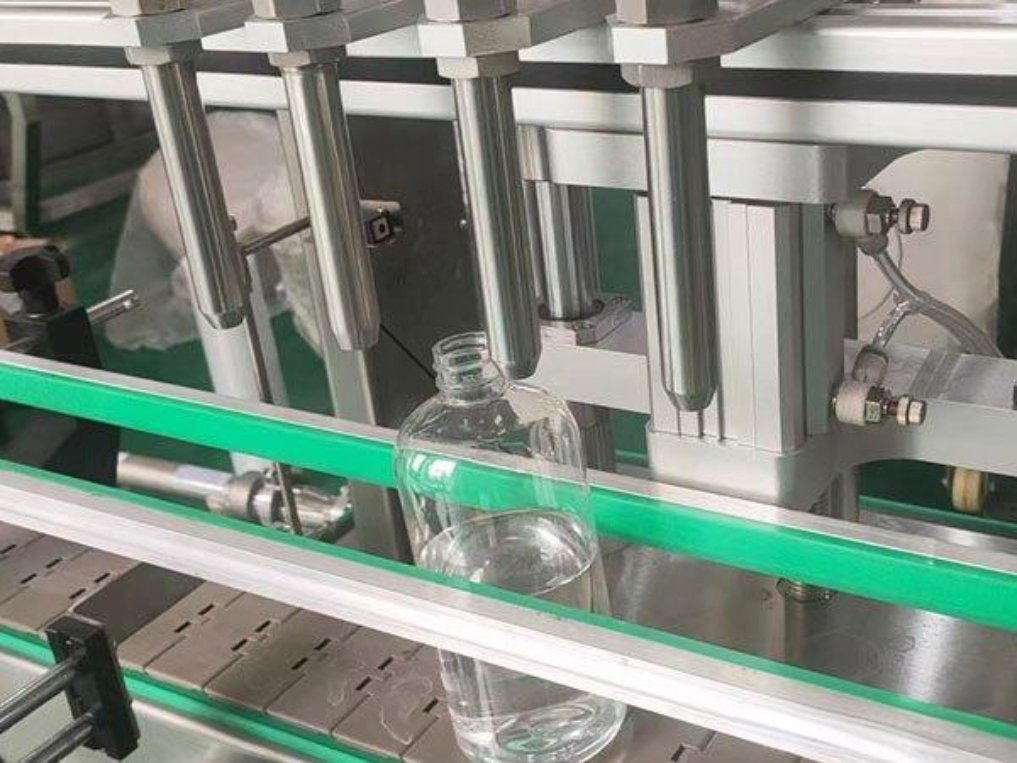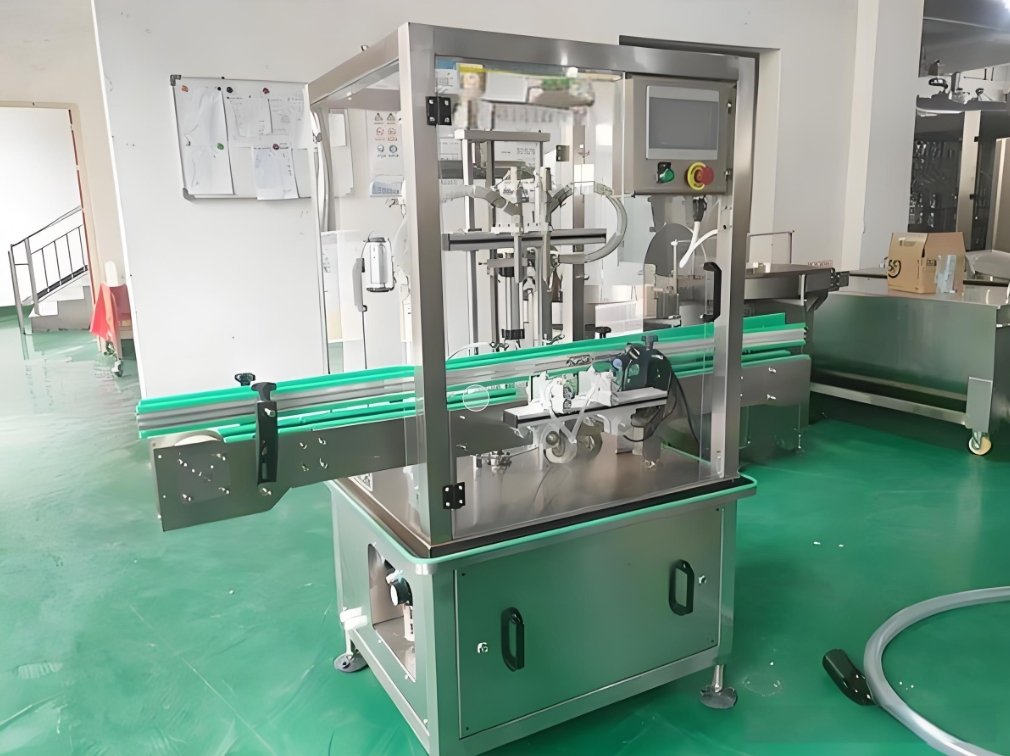
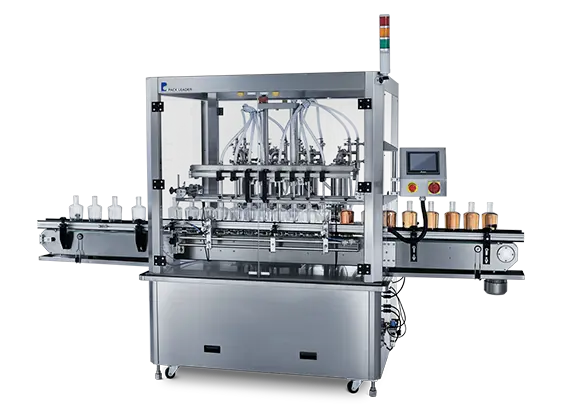
A can filling machine is the heart of any modern canning line. Whether you’re a craft brewery moving from bottles to cans, a beverage startup scaling production, or a manufacturer packaging aerosols, the machine you choose decides your speed, product quality, and cost per unit for years.
This guide explains what a can filling machine is, how it works, the main types, realistic price ranges, and the exact factors to weigh before you buy — written to help you make a confident purchasing decision and request an accurate quote.
What Is a Can Filling Machine?
A can filling machine is an automated system that dispenses a precise volume of liquid, such as beer, soda, energy drinks, or aerosol products — into metal cans, then passes them to a seamer that seals the lid. It is one category within the broader family of filling machine equipment used across food, beverage, pharmaceutical, and industrial packaging. If you’re new to the category, our overview of what is a filling machine covers the fundamentals.
Modern can fillers are usually built as a rinser–filler–seamer monobloc: cans are rinsed, filled, and seamed in one continuous, synchronized flow. This design reduces contamination, oxygen pickup, and floor space compared with separate stand-alone units.
Key components:
- Filling valves (heads): control the exact fill volume; more heads mean higher output.
- Filling method: gravity, volumetric, or counter-pressure (isobaric), the last is essential for carbonated drinks.
- CO₂ / nitrogen dosing: purges oxygen and protects flavor and shelf life.
- Seaming station: attaches the lid with a double seam. See our can seaming machine for stand-alone seaming.
- Contact materials: food-grade stainless steel (304/316) for hygiene and compliance.
How Does a Can Filling Machine Work?
The process runs in a tight, repeatable sequence:
- Can infeed & rinsing: empty cans are fed in, oriented, and rinsed to remove dust and particles.
- Purging: CO₂ or nitrogen displaces oxygen inside the can (critical for beer and carbonated beverages).
- Filling: the valve dispenses the exact volume. Carbonated products use counter-pressure (isobaric) filling so the drink fills gently without foaming or losing carbonation.
- Lid placement & seaming: a lid is placed and the seamer forms a hermetic double seam.
- Discharge: sealed cans exit to labeling, date-coding, or packaging.
The filling method is the single biggest technical decision. Still liquids (water, juice, oil) use gravity or volumetric filling. Carbonated liquids (beer, soda, seltzers) require counter-pressure filling to hold CO₂ in solution.
Types of Can Filling Machines
By product application
Beverage can filling machine: the most common type, built for soda, juice, energy drinks, and seltzers. Available in still or carbonated (counter-pressure) configurations.
Beer can filling machine: a carbonated-beverage filler tuned for low oxygen pickup, gentle fill, and foam control, which protect flavor and shelf life. If you run a brewery, see our roundup of the beer can filling machine options for breweries of every size.
Aerosol can filling machine: a specialized type that fills product plus a pressurized propellant into aerosol cans (sprays, foams, industrial products). It requires pressure-rated valves and strict safety controls, so it is engineered differently from a standard beverage filler.
By automation level
| Automation level | Typical speed | Best for |
| Manual / tabletop | Low (test batches) | Startups, R&D, very small runs |
| Semi-automatic | Low–medium | Small breweries, growing SMEs |
| Automatic (inline/rotary) | High | Established producers, scale-up |
| High-speed automatic line | Very high | Large-volume beverage plants |
Choosing the right level balances your current volume against your growth plan — buying too small forces an early re-purchase; buying too large ties up capital in idle capacity.
Can Filling Machine Price: What to Expect
There is no single filling machine price, cost scales with automation, speed, and configuration. The table below gives approximate market ranges to help you budget. Your exact can filling machine cost depends on the specs your product requires.
| Machine type | Automation | Approx. price range (USD) |
| Tabletop / manual can filler | Manual | $1,000 – $5,000 |
| Semi-automatic can filler & seamer | Semi-auto | $5,000 – $25,000 |
| Automatic can filling line (low–mid speed) | Automatic | $25,000 – $80,000 |
| High-speed automatic can line | Automatic | $80,000 – $300,000+ |
| Aerosol can filling machine | Semi/Auto | $10,000 – $60,000+ |
Ranges are approximate and for guidance only. Request a quote for pricing matched to your product, container, and target speed.
What affects the price of a can filling machine?
- Automation level: manual vs. semi vs. fully automatic is the biggest driver.
- Speed / throughput: cans per minute; higher output costs more.
- Number of filling heads: more valves, more capacity.
- Filling method: counter-pressure (carbonated) systems cost more than gravity fillers.
- Build & compliance: 316 stainless steel and food/pharma-grade builds add cost but are essential for hygiene.
- Customization & integration: fitting the machine to your line, can sizes, and CO₂ dosing.
- Installation, training & after-sales support: factor these into total cost of ownership.
Cheap vs. cost-effective: the lowest quote often costs more over time through downtime, wasted product from poor fill accuracy, and expensive spare parts.
Choosing a reliable filling machine manufacturer matters more than shaving the initial price.
Can Filling Machine vs. Bottle Filling Machine
Many buyers weigh cans against bottles before committing. Here’s how they compare:
| Factor | Can filling machine | Bottle filling machine |
| Container | Aluminum / tinplate cans | Glass or PET bottles |
| Sealing | Double-seam (seamer) | Cap / cork (capper) |
| Oxygen barrier | Excellent (opaque, airtight) | Good; light exposure with clear glass |
| Weight & shipping | Lighter, lower freight | Heavier, higher freight |
| Best for | Beer, soda, seltzers, energy drinks | Wine, spirits, oils, premium |
| Line speed | Very high achievable | High, format-dependent |
If bottles suit your product better, explore our bottle filling machine range instead.
How to Choose the Right Can Filling Machine
Before you buy, define these five things; they determine both the right machine and an accurate quote:
- Product type: still or carbonated? (Decides gravity vs. counter-pressure filling.)
- Can format: sizes and materials you’ll run (330ml, 500ml, sleek, standard).
- Target speed: cans per minute now, and where you want to be in 2–3 years.
- Space & utilities: floor area, power, CO₂ supply, and water for rinsing.
- Compliance: food, beverage, or pharma standards your market requires.
Running a small operation? A semi-automatic unit is usually the sweet spot for startups and small breweries, see our guidance on the right filling machine for small business.
Industries That Use Can Filling Machines
- Breweries & craft beer: cans protect flavor from light and oxygen.
- Soft drinks & energy drinks: high-speed carbonated filling.
- Hard seltzers & RTD cocktails: the fastest-growing canned segment.
- Coffee & functional beverages: nitro and cold-brew canning.
- Aerosol & industrial products: pressurized filling for sprays and foams.
Why Choose the Right Can Filling Machine Manufacturer
Your machine is a long-term production partner, so the supplier matters as much as the specs. Reliable can filling machine manufacturers provide accurate fill control, low-oxygen carbonated filling, food-grade construction, responsive after-sales service, and the ability to customize to your line. As a specialist filling machine manufacturer, we build can filling and seaming systems matched to your product, speed, and compliance needs, backed by installation, training, and ongoing support.
Ready for a machine matched to your product and volume?
Request a custom quote and tell us your product, can size, and target speed for an accurate price.
Frequently Asked Questions
What is a can filling machine used for?
A can filling machine dispenses a precise volume of liquid, such as beer, soda, energy drinks, or aerosol products into metal cans and seals them with a seamer. It ensures consistent fill levels, hygiene, and (for carbonated drinks) low oxygen pickup to protect flavor and shelf life.
How much does a can filling machine cost?
Prices range from around $1,000–$5,000 for a manual tabletop filler to $80,000–$300,000+ for a high-speed automatic line. A semi-automatic can filler and seamer typically falls between $5,000 and $25,000. Exact cost depends on speed, filling method, and customization.
Can one machine fill both beer and soda?
Yes, a counter-pressure (isobaric) can filling machine handles most carbonated beverages, including beer, soda, and seltzers, because they share the need for low-foam, low-oxygen filling. Fill parameters are adjusted per product.
Do I need a special machine for aerosol cans?
Yes. An aerosol can filling machine uses pressure-rated valves and dedicated safety systems to fill product plus propellant, so it is engineered differently from a beverage can filler.
What is the difference between a can filler and a can seamer?
The filler dispenses liquid into the can; the seamer attaches and seals the lid with an airtight double seam. Many machines combine both in one monobloc, though a stand-alone can seaming machine is also available for existing lines.
Where can I buy a can filling machine?
You can buy directly from a specialist manufacturer, which lets you customize the machine and get installation, training, and after-sales support. Contact us for a quote and recommendation.
Looking for capsule machines instead? If you actually need capsule equipment, see our capsule filling machine range and the capsule filling machine price guide, helpful whether you’re buying in North America, Canada, or elsewhere.