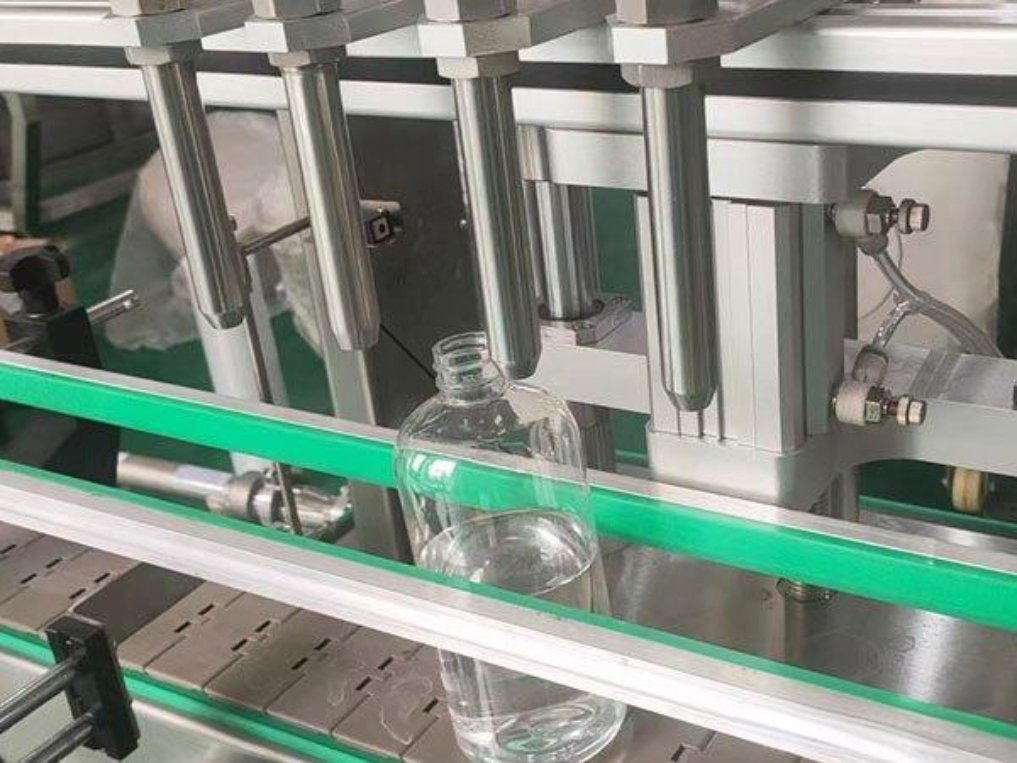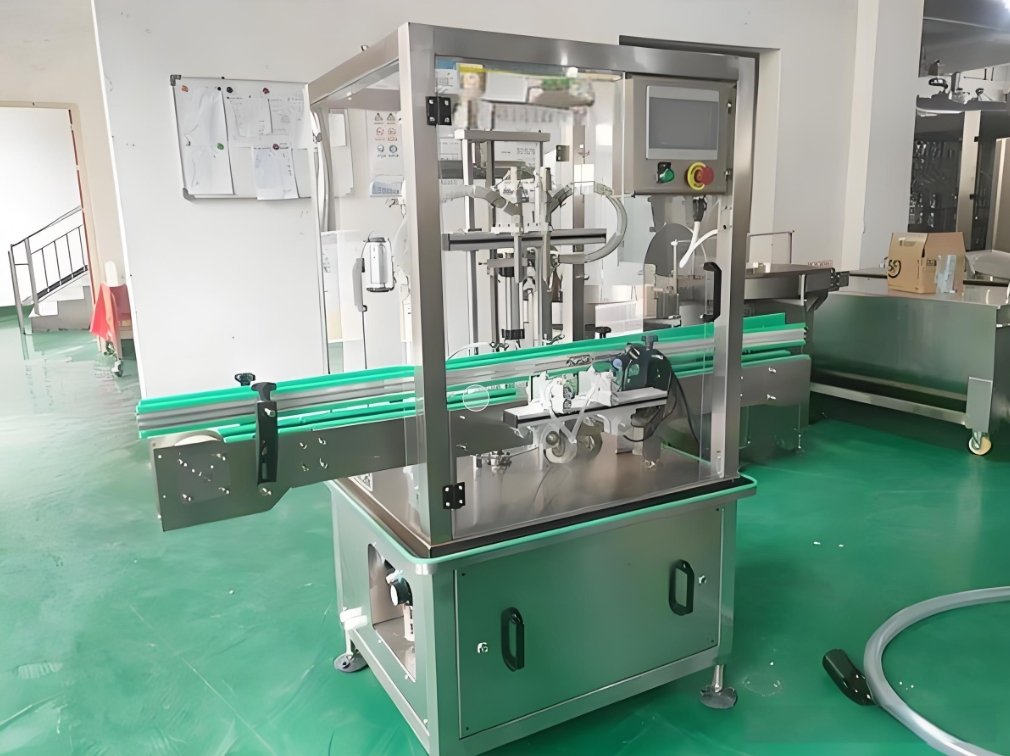

Sourcing packaging equipment overseas is a major capital decision, and the supplier you pick shapes your production line for the next decade. China builds most of the world’s filling and packaging machinery, which gives buyers enormous choice but also makes vetting harder. This guide walks through how to match a machine to your product, what separates a real factory from a trading company, and how to identify a bottle filling machine supplier China buyers can rely on for parts, service, and long-term support.
Why So Many Buyers Source Filling Machines From China
China’s packaging machinery cluster covers everything from entry-level tabletop units to fully automated production lines. The depth of the supply chain means pumps, controllers, and pneumatic parts are available locally, which keeps pricing competitive and lead times workable. For most product categories, a Chinese factory can offer both standard models and custom builds. The trade-off is variance: quality ranges widely between a genuine filling machine manufacturer and a reseller who forwards your order to an unknown workshop. Learning to tell a real bottle filling machine supplier China buyers trust from a middleman is the core skill this guide builds.
Match the Machine to Your Product First
Before you shortlist any factory, define your product’s viscosity, container type, fill volume, and target output. The right machine class follows from those specifications, not the other way around.
Automatic Liquid Filling Machines
Thin and medium-viscosity liquids such as water, juice, sauces, and light chemicals are usually filled with overflow, gravity, or piston systems. For thicker products, a sauce filling machine typically uses piston or servo-controlled dosing to maintain accuracy and reduce product waste.
If your throughput is high, an automatic liquid filling machine manufacturer will typically recommend a rotary or inline system with servo control for accuracy. Ask whether the fill method suits your viscosity: overflow fillers give a consistent visual fill level for clear bottles, while piston and volumetric fillers handle thicker products and dose by exact volume. A semi-automatic liquid filling machine can be a sensible starting point for smaller runs, with room to scale later.
Bottle Filling Systems
Bottle work adds container handling, rinsing, capping, and labeling. Many buyers want a monoblock that rinses, fills, and caps in one frame, or a full washing filling capping line for water and beverage production.
When you evaluate a bottle filling machine supplier China buyers respect, confirm they build the changeover parts for your specific bottle shapes and neck sizes, because a rigid machine that only runs one format will limit you as your product range grows. An automatic bottle filling machine should handle your range of PET or glass containers with quick, tool-free changeover.
Powder Filling Machines
Dry products behave very differently from liquids. Free-flowing powders like sugar or salt can run on volumetric cup fillers, while fine or floury powders need an auger system for accuracy and dust control.
A powder filling machine manufacturer worth considering will ask about bulk density, flow behavior, and whether you fill bottles, jars, or pouches. Protein, spice, detergent, and milk powder each have quirks, so the factory should tailor the auger and dosing to your material rather than offering a single generic unit.

Filling Machine Types at a Glance
Use this comparison to narrow the machine class before you approach any factory.
| Machine type | Best for | Fill mechanism | Automation options | Typical containers |
|---|---|---|---|---|
| Liquid filler | Water, juice, sauces, oils, light chemicals | Overflow, gravity, piston, volumetric, peristaltic | Semi-automatic to fully automatic, inline or rotary | Bottles, jars, jerry cans |
| Bottle monoblock | High-volume bottled water and beverages | Rinse, fill, and cap in one frame | Automatic | PET and glass bottles |
| Powder filler | Sugar, spice, protein, milk, detergent | Auger for fine powders, volumetric cup for free-flowing products | Semi-automatic to automatic | Bottles, jars, pouches, sachets |
| Cosmetic filler | Creams, lotions, serums, gels | Piston for thick products, servo pump for thin products | Semi-automatic to automatic | Bottles, jars, tubes |
| Pharmaceutical filler | Syrups, oral liquids, vials, ampoules | Piston, peristaltic, or rotary in hygienic design | Automatic, hygienic, or sterile build | Vials, ampoules, bottles |
Industry-Specific Requirements
Some sectors add regulatory and hygiene demands that a general-purpose factory may not meet.
Filling Machine for Cosmetics
A filling machine for cosmetics has to handle creams, lotions, serums, gels, and thin liquids, often across small and irregular container shapes. Piston fillers suit thick creams, while servo pumps manage lotions and serums cleanly.
Ask about product-contact materials, easy-clean design for color and formula changeovers, and nozzle options that prevent drips and stringing on premium packaging. If you run tubes as well as bottles, confirm the factory offers a cosmetic tube filling and sealing option.
Filling Machine for Pharmaceutical Industry
A filling machine for pharmaceutical industry use carries the highest bar. Vial, ampoule, syrup, and oral liquid lines often require stainless steel construction, validation documentation, and designs that support hygienic or sterile operation.
Confirm the supplier understands the standards in your market and can explain how pharmaceutical filling machines meet regulatory standards, including the material certificates and documentation your regulators expect. This is one area where a low bid from an unproven workshop is rarely worth the compliance risk.
How to Evaluate a Filling Machine Supplier in China
Once your machine class is clear, judge the factory itself. The strongest signal that you are dealing with a real manufacturer rather than a middleman is the depth of the technical answers. A capable bottle filling machine supplier China exporters respect will discuss your product’s behavior, not just quote a price.
Look closely at these areas:
Technical capability and customization: Can they modify the machine for your containers, viscosity, and output? OEM and custom builds point to real engineering rather than simple resale.
After-sales service and spare parts: Filling lines run for years, and wear parts, seals, and nozzles need replacing. Confirm parts availability, warranty terms, and remote support before you order.
Factory verification: Ask for a live video walkthrough or an on-site audit, and request the business license and, where relevant, CE or other conformity documentation. A trading company will hesitate; a factory will show you the floor.
Testing before shipment: Request a factory acceptance test with your actual product or a close equivalent. Watching the machine fill your bottles on video before it ships prevents expensive surprises.
Communication and engineering support: Response speed, clarity, and willingness to share drawings or specifications all predict how support will feel after the sale.
Red Flags to Watch For
A trustworthy bottle filling machine supplier China buyers return to welcomes scrutiny. Be cautious when a supplier quotes a price before understanding your product, refuses a factory audit or video call, cannot supply spare parts documentation, or offers only one rigid configuration.
Vague answers about materials and construction, or reluctance to run a test with your product, usually point to a reseller rather than an equipment builder.
Questions to Ask Before You Buy
Ask what fill method suits your viscosity and why, what a new container size requires for changeover, what the warranty covers, how spare parts are supplied and how quickly, whether a factory acceptance test with your product is possible, and what documentation ships with the machine.
A serious bottle filling machine supplier China buyers keep working with answers all of these without hesitation. Clear answers to these questions separate a dependable partner from a risky one.
How Much Does a Filling Machine Cost?
Filling machine pricing depends on automation level, number of filling heads, output speed, and options such as capping and labeling. The ranges below are market benchmarks drawn from public competitor and marketplace listings, so buyers get a realistic starting point. A bottle filling machine supplier China buyers can hold to a written quote will confirm exact figures for your product, container, and output.
| Machine class | Typical configuration | Indicative price range |
|---|---|---|
| Semi-automatic liquid filler | Single or twin head, manual loading | $800 to $6,000 |
| Automatic liquid line | Multi-head inline system with servo control | $8,000 to $50,000+ |
| Bottle monoblock | Four- to eight-head rinse-fill-cap system for PET or glass | $8,000 to $40,000 |
| Auger powder filler | Semi-automatic or automatic, single head | $2,000 to $15,000 |
| Cosmetic cream or piston filler | Semi-automatic or automatic with optional heating | $3,000 to $30,000 |
| Pharmaceutical liquid line | Hygienic, validated build for vials or ampoules | $30,000 to $200,000+ |
These are indicative market ranges for buyer guidance, not a quotation. Actual price depends on output, number of heads, materials, and options, so always request a written quote tied to your exact specification before you commit.
Final Thoughts
Choosing well comes down to matching the machine to your product and then confirming the factory can build, support, and service it for the long run.
Whether you need an automatic liquid filling machine manufacturer, a powder filling machine manufacturer, or a bottle filling machine supplier China buyers can depend on, the process is the same: define your specifications, insist on technical depth, verify the factory, and test before you ship. A supplier that answers those points clearly is the one most likely to keep your line running for years.
Frequently Asked Questions
Is It Cheaper to Buy a Filling Machine From China?
Chinese factories are usually more competitive on price because of the local supply chain for pumps, controls, and pneumatic parts. The real saving comes from choosing a factory that supports the machine for years, not just the one with the lowest quote.
What Is the Difference Between a Filling Machine Manufacturer and a Trading Company?
A manufacturer designs and builds the equipment and can customize it for your product. A trading company resells machines built by others, which often means slower support and limited access to spare parts and engineering help.
How Do I Verify a Bottle Filling Machine Supplier in China?
Request a factory video walkthrough or on-site audit, check the business license and conformity documents, ask for a factory acceptance test with your own product, and confirm spare parts and warranty terms in writing before you pay.
Can One Machine Fill Both Liquids and Powders?
Usually not well. Liquids and powders use different dosing methods, so most buyers choose a dedicated liquid or powder filling machine, though the same factory can often supply both lines.