Starting a supplement or pharmaceutical line is exciting until you try to fill capsules by hand. Hand-filling is slow, messy, and wildly inconsistent, and it caps how much you can produce in a day. The fix is the right capsule filling machine for small business: one that’s fast enough to keep up, simple enough to run with one operator, and priced for a growing company rather than a factory. This guide walks you through the machine types, the features that matter, real models and prices, and the mistakes to avoid so you buy the best capsule filling machine for your small business the first time.
Why a small business needs a capsule filling machine
Hand-filling capsules with a spoon or a basic tray works for a kitchen-table hobby, but it falls apart the moment you have real orders. It’s slow, it wastes expensive powder, and no two capsules end up with the same fill weight a problem when customers (and regulators) expect consistency. A dedicated capsule filling machine fixes all three: it fills the capsule bodies with a measured dose, re-caps them, and does it at a steady, repeatable rate. Your output climbs, your per-capsule cost drops, and your product looks professional. Even a single semi-automatic machine can transform a small operation’s capacity in a week.
What is a capsule filling machine?
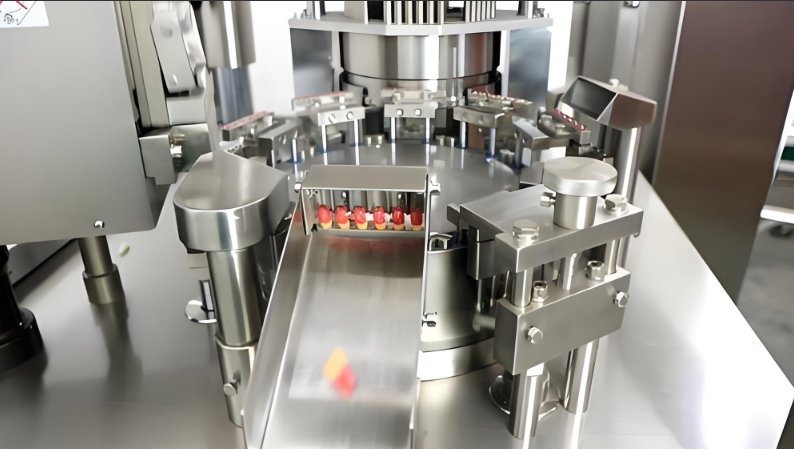
A capsule filling machine fills empty two-piece capsules with powder, pellets, or granules. Each capsule has a body and a cap; the machine separates the two, doses the body with your formulation, and rejoins the cap to a locked length. The result is uniform, clean, accurately dosed capsules every time. The difference between machine types comes down to how much of that cycle the operator does by hand versus how much the machine automates.
Types of capsule filling machines (and which suits a small business)
Manual capsule filling machine a desktop filling machine for very small batches
A manual machine is a compact desktop filling machine: the operator loads the capsules, separates them, fills the bodies, and closes them with a tamping plate. It’s inexpensive, needs no power, and is perfect for product testing, R&D, and very low volumes but it’s slow and the consistency depends on the operator. Best for a brand that’s just validating a formula or fulfilling its first small orders.
Semi-automatic capsule filling machine the small-business sweet spot
A semi-automatic machine handles separation, dosing, and locking while the operator loads and unloads the plates. It’s far faster and more consistent than manual filling, costs a fraction of a fully automatic line, and is the right tier for most small and growing supplement brands. If you’re choosing one machine to scale with, this is usually it.
Automatic capsule filling machine for when you scale up
A fully automatic machine performs the entire cycle continuously with minimal operator input, filling tens of thousands of capsules per hour. It’s a larger investment suited to high-volume or contract manufacturing. Many small businesses start semi-automatic and move here once demand is steady.
Filling coffee, not supplements? If you’re packing coffee pods rather than supplement capsules, you need a dedicated coffee capsule filling machine a related but different machine built for ground coffee and pod sealing. The buying logic in this guide still applies.
Benefits of automating capsule filling
- Speed: fills thousands of capsules per hour versus a few hundred by hand.
- Accuracy: each capsule receives the same measured dose.
- Hygiene: fewer spills and contact points; stainless contact parts clean easily.
- Ease of use: simple controls that one operator can learn quickly.
- Lower labor: one person can run a semi-automatic machine solo.
Key features to look for
1. Production capacity
Estimate the capsules you’ll need per hour over the next 12 months, not today. Most small businesses are well served by 5,000–30,000 capsules per hour enough headroom to grow without overpaying for capacity you won’t use for years.
2. Capsule size range
Confirm the machine covers the capsule sizes you sell. Sizes 0 and 00 are the most common for supplements; some machines change sizes with a tooling set, others are fixed. If you offer multiple sizes, prioritize easy changeover.
3. Filling material
Match the machine to what you fill fine powder, granules, or pellets each behave differently, and a machine tuned for free-flowing powder may struggle with a sticky herbal blend. Tell your supplier exactly what you’re dosing.
4. Ease of cleaning
Choose 304/316 stainless-steel contact parts and a design that disassembles quickly. Easy cleaning means better hygiene and less downtime between batches.
5. User-friendly controls
The best machines for small teams have simple, clearly labeled controls so a new operator is productive on day one.
Best capsule filling machines for small business (2026)
Here are our picks across the three tiers. Prices are starting figures and vary with tooling and configuration.
Tier | Model | Starting price (USD) | Best for |
Manual (desktop) | CN-100CL | $118 | Testing, R&D, very small batches |
Semi-automatic | JTJ-V Vertical | $5,000 | Most small & growing brands |
Automatic (scale-up) | SFK-700 | $60,000 | High-volume / contract production |
Best for testing: CN-100CL manual filler
A 100-hole desktop machine that fills 100 capsules per pass. Affordable, portable, and ideal for validating a formula or fulfilling first orders before you invest in automation.
Best overall for small business: JTJ-V Vertical semi-automatic
A vertical, pedal-controlled semi-automatic filler that balances speed, consistency, and cost. Its low operating surface and vertical feed reduce dust, and it’s the machine most growing brands settle on. Confirm output rate and supported capsule sizes against the current datasheet.
Best for scaling: SFK-700 automatic filler
A high-output automatic machine for when demand outgrows semi-automatic filling up to roughly 40,000 capsules per hour, built for cGMP environments. A bigger investment, but the right one once volume is steady.
How much does a capsule filling machine cost?
Budget depends entirely on the tier:
- Manual desktop machines: roughly $100–$300 (e.g., CN-100CL at $118).
- Semi-automatic machines: roughly $3,000–$6,000 (e.g., JTJ-V at $5,000).
- Automatic machines: from about $8,000 for compact models up to $60,000+ for high-output lines such as the SFK-700.
A semi-automatic machine usually pays for itself quickly in saved labor and higher output the reason it’s the most popular small-business choice.
Maintenance: filling machine problems and solutions
A little routine care prevents most downtime. Clean the machine after every batch, check and lubricate moving parts on schedule, store it in a dry area, and replace worn tamping pins, plates, and seals before they fail. Doing this keeps fill weights accurate and the machine running for years.
When issues do appear inconsistent fill weights, capsules not separating, or jamming most have simple fixes. For a full troubleshooting walkthrough, see our guide on filling machine problems and solutions.
Common mistakes to avoid
- Buying a machine too big or too small for your real volume.
- Overlooking capsule-size compatibility with the sizes you sell.
- Skipping operator training, then blaming the machine for inconsistency.
- Cleaning irregularly, which causes cross-contamination and downtime.
- Using poor-quality or poorly flowing powders that the machine can’t dose evenly.
Related equipment to complete your production line
As your small business grows, capsule filling is rarely the only machine you need. Common next steps:
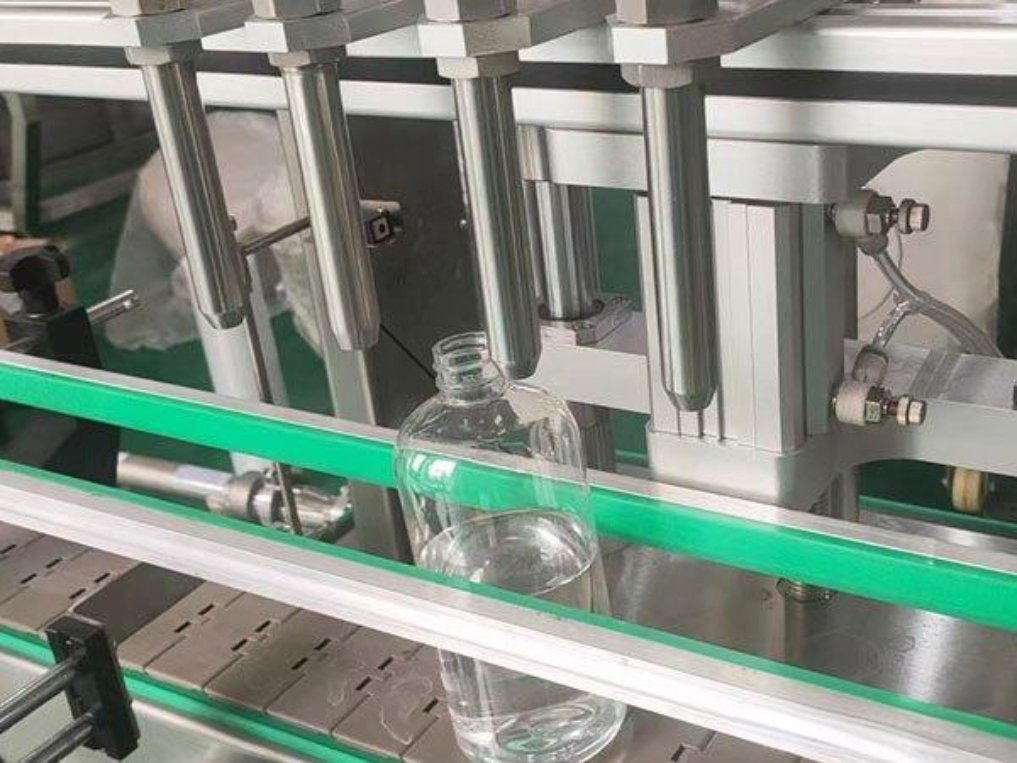
- Automatic bottle filling machine for bottling liquids, syrups, or counted capsules into containers.
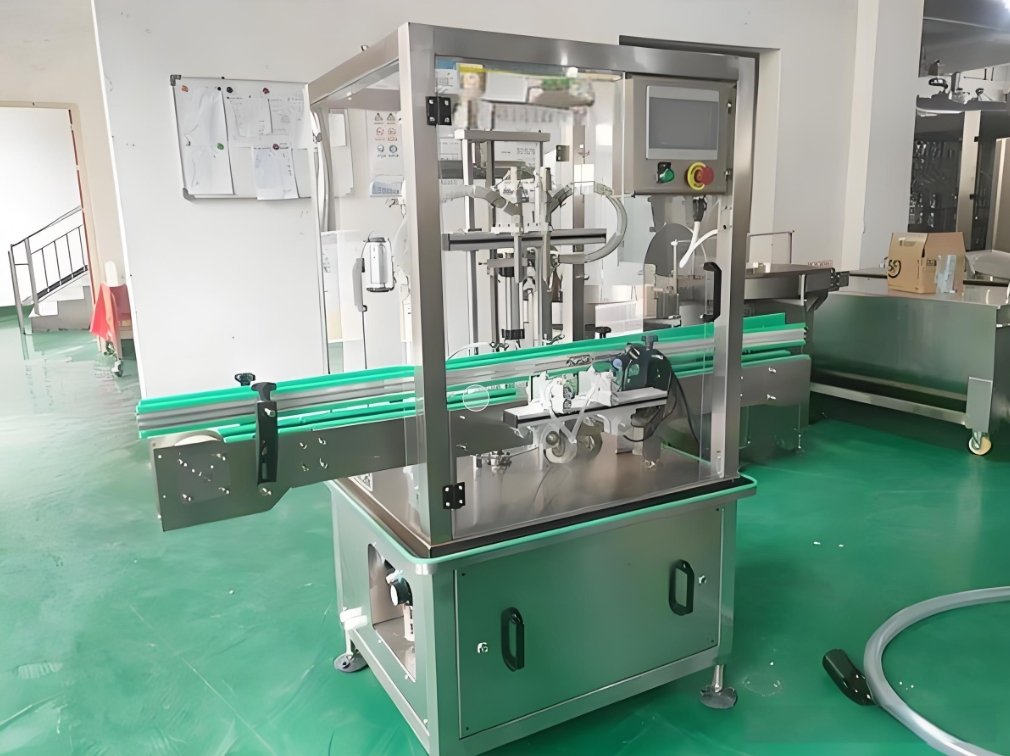
- Viscous liquid filling machine if you also produce creams, gels, or oils.
- Carton packaging machine for end-of-line cartoning and retail-ready packaging.
Planning the line as a whole and buying from one supplier where you can keeps integration simple and support in one place.
Where to buy: how to choose a filling machine supplier
Buy from a manufacturer you can reach after the sale, not just before it. Check reviews and references, ask about installation support and operator training, and confirm warranty terms and spare-parts availability and lead times. Trade shows, direct manufacturers, and established industry dealers are the most reliable sources. When you’re ready, contact a filling machine supplier who will run a test with your actual product before you commit.
Frequently asked questions
What is the best capsule filling machine for a small business?
For most small businesses, a semi-automatic machine such as the JTJ-V Vertical it produces far more than a manual filler while staying well below the cost and complexity of a fully automatic line.
How much should a small business spend on a capsule filling machine?
Manual desktop machines run about $100–$300, semi-automatic machines roughly $3,000–$6,000, and automatic machines from around $8,000 upward. Most small businesses land on a semi-automatic.
How many capsules per hour do I need?
Most small businesses are well served by 5,000–30,000 capsules per hour. Buy for where you’ll be in a year, with some headroom but not so much that capital sits idle.
Can one machine fill different capsule sizes?
Many can, using a tooling changeover. If you sell multiple sizes (commonly 0 and 00), prioritize a machine with quick, affordable size changes.
Do I need a special machine for coffee capsules?
Yes coffee pods need a dedicated coffee capsule filling machine designed for ground coffee and pod sealing, which is different from a supplement capsule filler.
The bottom line
The best capsule filling machine for your small business is the one matched to your real production volume and budget not necessarily the biggest or the cheapest. Start with a manual desktop machine to validate your formula, move to a semi-automatic machine as orders grow, and step up to an automatic model once your volume is steady. Be sure to match the machine to your capsule size and fill material, keep it clean, and buy from a supplier who provides ongoing support. Make the right choice, and your output, consistency, and margins all improve together.
If you need guidance on selecting the right machine, you can contact us here for expert advice.