A shrink wrap machine is a packaging machine that wraps products in thermoplastic film and applies heat to shrink the film tightly around the product, creating a sealed, tamper-evident, and protective package. It is used across food, beverage, cosmetics, pharmaceutical, and industrial manufacturing and it is one of the most visible pieces of equipment in any consumer goods production line.
Walk into any supermarket, warehouse, or e-commerce fulfillment center and shrink wrap is everywhere beverage multipacks bound in transparent film, cosmetic gift sets with a crystal-clear finish, pallets secured for long-distance shipping. Behind every one of those applications is a shrink wrap machine.
Choosing the right one can mean the difference between a packaging line that runs smoothly at high volume and one that creates bottlenecks, film waste, and inconsistent presentation every shift. This guide covers everything you need to know before purchasing a shrink wrap packaging machine in 2026 types, film options, industries, prices, and what to check before buying.
How a Shrink Wrap Machine Works
The process follows three steps on every machine type.
Film feeding. A roll of shrink film center-fold or single-wound feeds into the machine and surrounds the product.
Sealing. A heated sealing bar cuts and seals the film around the product, creating a loose enclosure ready for the heat stage.
Heat shrinking. The loosely sealed package passes through a heated shrink tunnel. Hot air circulates at 120°C to 200°C (depending on film type), causing the film to contract uniformly and conform tightly to the product. The finished package exits cool, taut, and sealed ready for labeling, casing, or dispatch.
The entire cycle takes 3 to 15 seconds on a modern automatic machine depending on package size and line speed.
Types of Shrink Wrap Machines
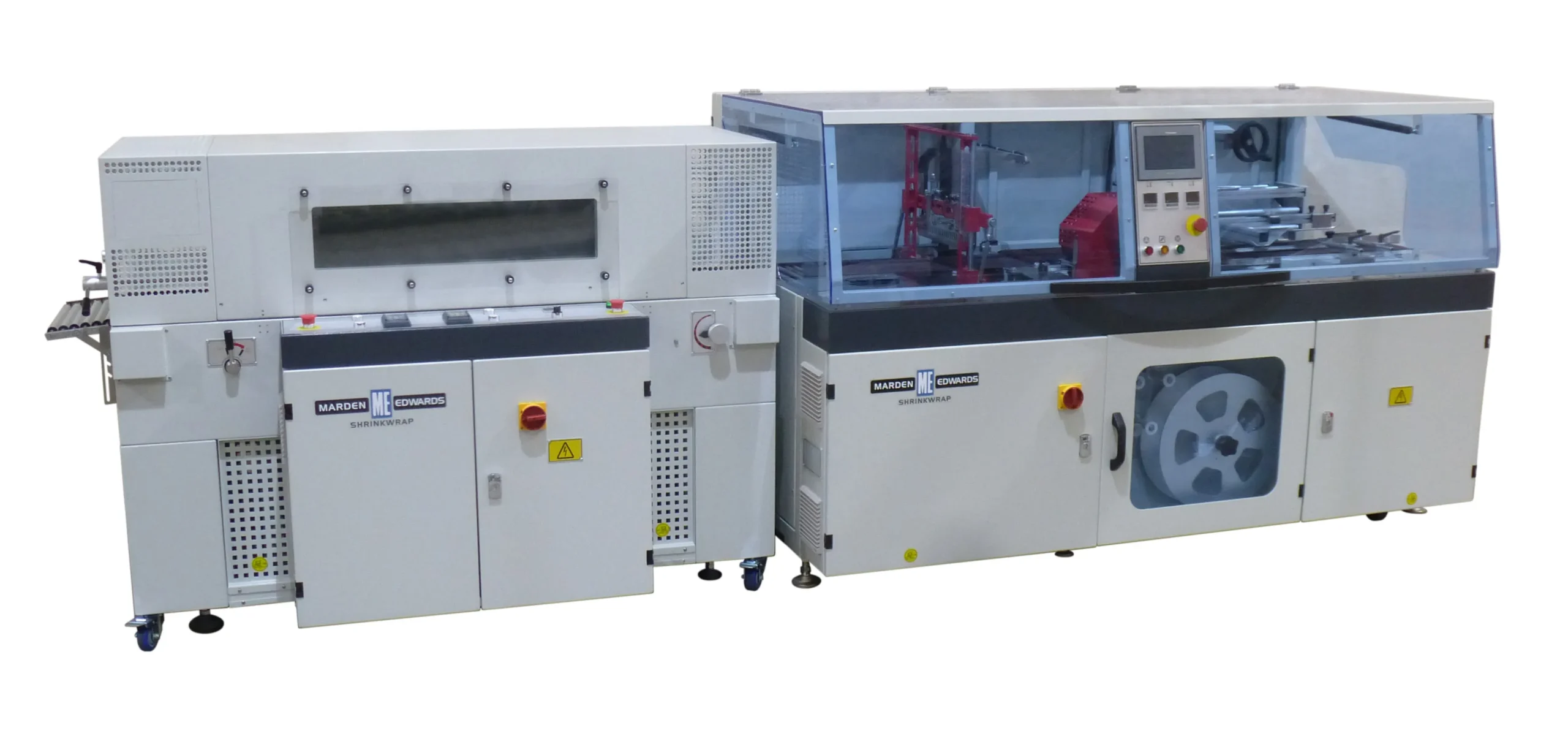
L-sealer with shrink tunnel
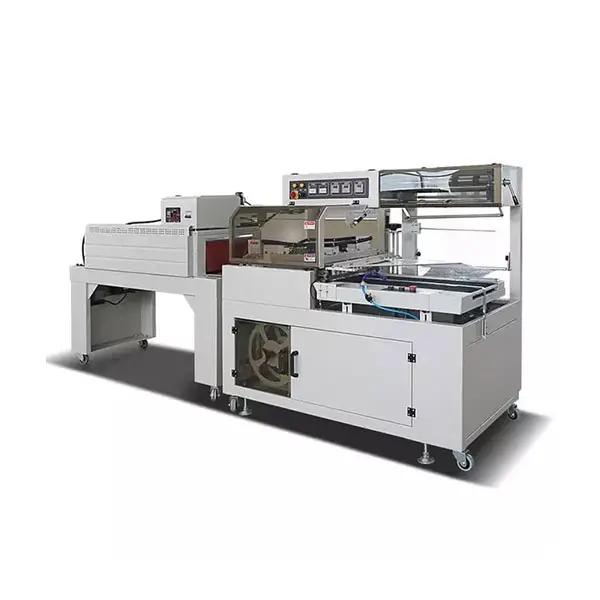
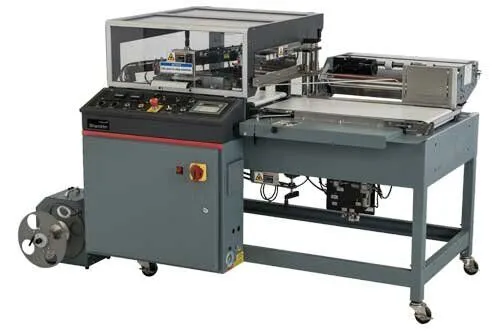
The most widely used shrink wrap configuration for retail packaging. An L-shaped sealing bar closes on two sides simultaneously using center-fold film. The sealed package then passes through an inline shrink tunnel where heat produces a tight, glossy finish.
Available in manual, semi-automatic, and fully automatic versions. Fully automatic inline L-sealers reach 40 to 80 packages per minute with no manual product handling.
Best for: Cosmetics, boxed food products, gift sets, and any retail product where high-clarity presentation matters. The L-sealer produces the cleanest-looking result of any shrink wrap type.
Side-sealer (sleeve sealer) with shrink tunnel

Wraps products in a continuous sleeve of film sealed along a longitudinal bottom seam. Both ends are left open until the shrink tunnel closes and shrinks them. Faster than L-sealers and more versatile with irregular or cylindrical product shapes.
Fully automatic side-sealers reach 60 to 150+ packages per minute making them the right choice for high-volume continuous production lines.
Best for: Bottles, cans, beverage multipacks, cylindrical tins, and any application where speed matters more than retail presentation perfection.
Bundling machine (tray shrink and trayless shrink)
Wraps groups of products bottles, cans, or boxes into a single retail multipack or transit bundle. Tray shrink places products on a paperboard tray before wrapping, adding base support for retail display. Trayless shrink wraps the group in film only, reducing material cost and creating a cleaner, more modern look.
Best for: Beverage multipacks, canned food, dairy, household goods, and premium food products grouped for retail sale.
Shrink tunnel only

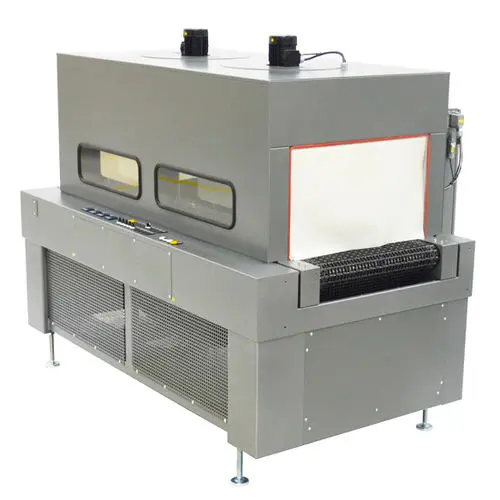
A standalone tunnel used alongside a separate sealing machine or when products arrive pre-sleeved with film from a labeling operation. Common in beverage shrink-sleeve labeling, where the sleeve is applied first and shrunk to shape by the tunnel.
For end-of-line operations that also include palletizing, a palletizing packaging machine typically handles stacking while the shrink tunnel handles individual or multipack wrapping upstream.
Shrink Wrap Film Types: POF vs PVC vs PE
The film matters as much as the machine. Using the wrong film produces poor shrink quality, excess waste, and compliance failures.
| Film Type | Full Name | Best For | Temperature Range | Key Benefits | Limitations |
|---|---|---|---|---|---|
| POF | Polyolefin | Food & retail packaging | 120–160°C | FDA-approved, high clarity, high gloss, strong seal, suitable for high-speed machines | Slightly higher cost than PVC |
| PVC | Polyvinyl Chloride | Non-food retail (stationery, electronics) | 140–180°C | Low cost, good shrink performance | Releases vapors when heated, not food-safe |
| PE | Polyethylene | Industrial, pallet wrapping, heavy products | Varies (higher heat required) | Thick, strong, high puncture resistance | Lower clarity, not ideal for retail display |
Industries That Use Shrink Wrap Machines
Food and beverage is the largest single user globally. Applications include beverage multipack bundling, tray shrink for canned goods, and tamper-evident sealing of sauce and condiment bottles after filling. If your factory runs a liquid filling line, a shrink wrap machine sits naturally at the end receiving filled and capped bottles and bundling them for retail without manual handling between stations.
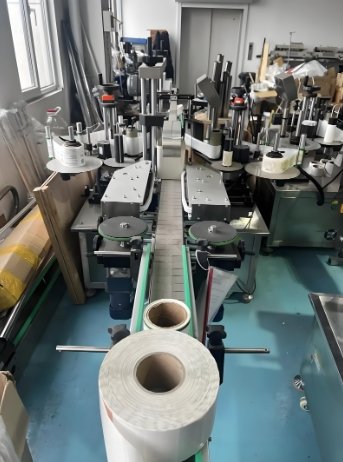
Cosmetics and personal care use L-sealers with POF film for high-clarity retail presentation and tamper evidence on individual products and gift sets. These lines often combine a labeling machine with a downstream shrink wrap station for a fully finished product in one integrated pass.
Pharmaceutical and healthcare use shrink wrapping primarily for tamper evidence a regulatory requirement in most markets. Perforated POF film tears visibly if a package has been opened, which is the standard consumer safety signal for boxed tablets, blister packs, and bottled supplements.
E-commerce and logistics use shrink wrap for kitting, moisture protection, and tamper-evident sealing of high-value items in fulfillment centers. Trayless bundling and side-seal configurations are most common here.
Industrial manufacturing uses heavy-duty PE film to protect components from moisture, dust, and corrosion during storage and transit. Pallet shrink wrapping is standard for outdoor storage of building materials and chemicals.
Shrink Wrap Machine Price Guide 2026
| Machine Type | Entry Level | Semi-Automatic | Fully Automatic |
| L-sealer + tunnel | $800 – $2,500 | $3,000 – $8,000 | $8,000 – $25,000 |
| Side-sealer + tunnel | — | $5,000 – $12,000 | $12,000 – $40,000 |
| Bundling machine | — | $6,000 – $15,000 | $15,000 – $50,000+ |
| Shrink tunnel only | $1,500 – $4,000 | $4,000 – $10,000 | $10,000 – $20,000 |
All prices are ex-factory (FOB). Shipping, import duties, and installation are additional costs.
The biggest price drivers within each range are line speed, tunnel length and heating power, PLC control with recipe storage, and food-grade stainless steel construction. According to the PMMI packaging machinery industry report, planned maintenance access and spare parts availability are the two strongest predictors of long-term machine uptime both worth verifying with any supplier before purchase.
How to Choose the Right Shrink Wrap Machine
Match machine type to your product and presentation requirement. For retail clarity, an L-sealer with POF film is the best choice. For high-speed multipack bundling, a side-sealer or bundling machine is more appropriate. Products with cylindrical or irregular shapes should avoid L-sealers, as side-sealers handle non-uniform items far more reliably.
Calculate your required speed accurately.
Divide your required daily output by your available production minutes per shift, then add a 20% buffer for stoppages and changeovers. This is your minimum speed specification. In our experience supplying shrink wrap machines to food and cosmetics factories across Southeast Asia, Europe, and the Middle East, the most common and costly mistake buyers make is choosing a machine based on maximum rated speed rather than real daily output need. A machine running at 70–80% of its rated capacity produces cleaner seals, fewer film breaks, and a significantly longer service life than one pushed to its ceiling every shift.
Confirm film compatibility before buying.
Ask your supplier exactly which film types, gauges, and roll widths the machine supports. Film incompatibility is the most common cause of poor seal quality, excess waste, and downtime on newly installed machines.
Check tunnel temperature control.
A PID temperature controller maintains tunnel heat within a tight tolerance regardless of speed variation. Basic on/off control produces inconsistent shrinkage visible as loose wrinkles or burn marks on finished packages especially at the start and end of each run.
Plan for line integration.
A shrink wrap machine downstream of a liquid filling machine must match the upstream output speed. Sourcing your filling machine, carton packaging machine, and shrink wrap machine from one supplier is the most reliable way to guarantee seamless integration and avoid the conveyor speed mismatches that occur when equipment from different manufacturers is combined on the same line. For a deeper look at how filling machines and packaging lines work together, see our complete guide to automatic filling machine types.
Shrink Wrap vs Other Packaging Methods
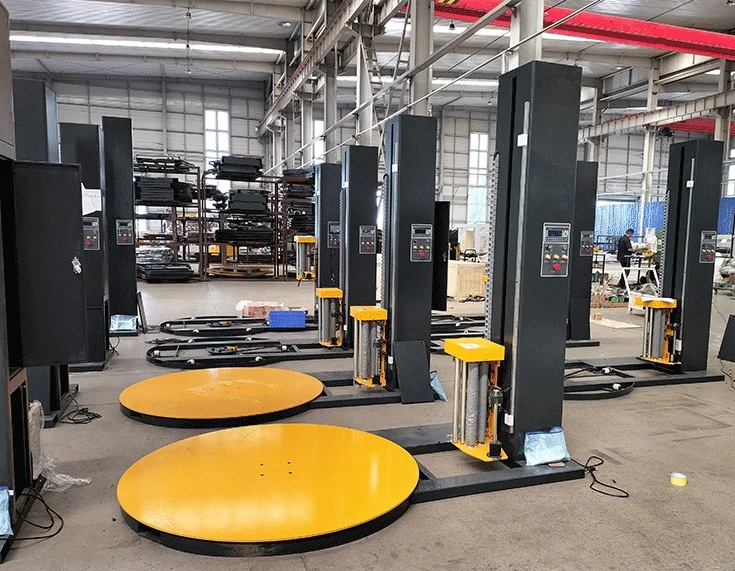
Shrink wrap vs stretch wrap. Stretch wrapping uses elastic film at room temperature almost always for pallet load stabilization during transit. It does not produce a sealed, retail-ready finish. Shrink wrap and stretch wrap work together: manufacturers wrap products individually or in multipacks, then use a wrapping packaging machine to palletize them for dispatch.
Shrink wrap vs carton packaging. Carton packaging machines offer superior protection for fragile products and larger label surfaces for regulatory information. Shrink wrap is lighter, cheaper per unit, and higher-clarity. Many factories use both: they pack shrink-wrapped multipacks into cartons for case-level shipping.
Shrink wrap vs paper box. Paper box packaging machines are standard for cosmetics, pharma, and premium food. Manufacturers often apply shrink wrap as an outer layer over a paper box to add tamper evidence and moisture protection while keeping the printed box visible through the transparent film.
Frequently Asked Questions
What is the difference between an L-sealer and a side-sealer?
An L-sealer uses an L-shaped bar to seal two sides simultaneously with center-fold film best for retail box shapes and high-clarity presentation. A side-sealer wraps products in a continuous film sleeve faster, more versatile for cylindrical or irregular shapes, better for high-volume production.
What film should I use for food products?
POF (polyolefin) film is mandatory for direct food contact in most markets. It is FDA-approved, produces a high-clarity finish, and shrinks evenly at lower temperatures than PVC.
How fast does an automatic shrink wrap machine run?
Automatic L-sealers run at 40 to 80 packages per minute. Automatic side-sealers run at 60 to 150+ packages per minute. Speed varies with package size, film gauge, and tunnel heat recovery time.
Can a shrink wrap machine work for small businesses?
Yes. Manual and semi-automatic L-sealers from $800 to $3,000 are designed for small-batch production, require only a standard power outlet, and can be operated by one person with minimal training. If you are also setting up your filling operation, our guide to choosing a filling machine for small business covers the full small-batch production setup.
What certifications should a shrink wrap machine have?
CE marking is required for European markets. Food-grade contact materials compliant with EU Regulation 10/2011 or FDA 21 CFR are required for food applications. Always request and verify certification documentation before purchase.
Get a Quote for Your Shrink Wrap Machine
At Foshan Popper Machinery, we manufacture automatic and semi-automatic shrink wrap packaging machines alongside a complete range of filling, capping, labeling, and end-of-line packaging equipment all built to integrate on a shared production line. Our engineering team will assess your product, film, speed, and facility requirements and provide a transparent, itemized quotation.
Explore our full packaging machine range: