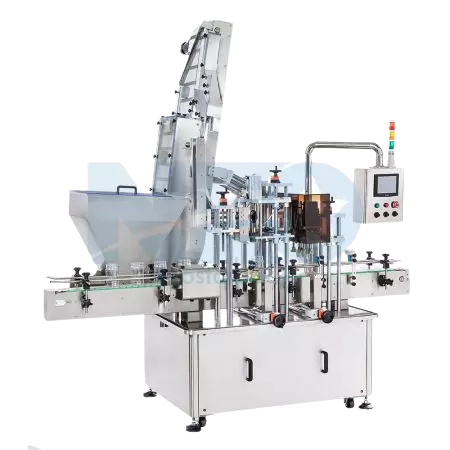
In the world of packaging, the final seal is just as crucial as the product itself. Whether it’s a pharmaceutical bottle, a cosmetic jar, a food container, or a beverage, proper capping ensures product integrity, extends shelf life, and maintains consumer safety. This is where capping machines play an indispensable role.
But what exactly is a capping machine, and why is it so vital for countless industries? Let’s dive deep into understanding these essential pieces of packaging equipment.
What is a Capping Machine?
A capping machine, often referred to as a bottle capper or cap applicator, is an automated or semi-automated device designed to apply caps, lids, or closures onto containers. Its primary function is to securely seal bottles, jars, tubes, and other vessels after they have been filled with a product.
The effectiveness of a capping machine lies in its ability to consistently apply caps with the correct torque and alignment, preventing leaks, contamination, and product spoilage. From simple screw caps to complex child-resistant closures, capping machines handle a wide variety of cap types and container sizes.
Why Do We Need Capping Machines?
The necessity of capping machines stems from several critical factors in modern manufacturing and packaging:
- Product Preservation: A secure seal protects the product from external elements like air, moisture, and contaminants, thereby extending its shelf life and maintaining quality.
- Leak Prevention: For liquid or semi-liquid products, proper capping is essential to prevent spills and leaks during storage, transport, and handling.
- Tamper Evidence: Many capping machines can apply tamper-evident seals (like induction seals or shrink bands), assuring consumers that the product has not been opened or compromised since leaving the factory.
- Child Safety: In industries like pharmaceuticals and household chemicals, capping machines apply child-resistant closures, preventing accidental ingestion or access by children, in accordance with global safety standards for child-resistant packaging.
- Efficiency and Speed: Manual capping is slow, inconsistent, and labor-intensive. Capping machines drastically increase production speed and ensure uniformity, leading to higher output and lower labor costs.
- Hygiene and Sterility: Especially in the food, beverage, and pharmaceutical industries, automated capping minimizes human contact with the product and packaging, reducing the risk of contamination according to current Good Manufacturing Practice (cGMP) standards.
- Brand Image: A professionally capped product reflects positively on a brand’s quality and attention to detail.
Types of Capping Machines
| Machine Type | Best For | Production Speed | Automation Level |
| Manual | Startups / Lab testing | Very Low | None (Hand-operated) |
| Semi-Automatic | Medium-sized batches | Moderate | Partial (Operator required) |
| Automatic | High-volume factories | High | Full (No human contact) |
| Spindle Capper | Continuous screw caps | Very High | Full |
| Chuck Capper | High torque precision | High | Full / Semi-Auto |
| ROPP Capper | Aluminum anti-theft | High | Full |
Capping machines come in various designs, each suited for different applications, production volumes, and cap types. Here are the most common types:
1. Automatic Capping Machine
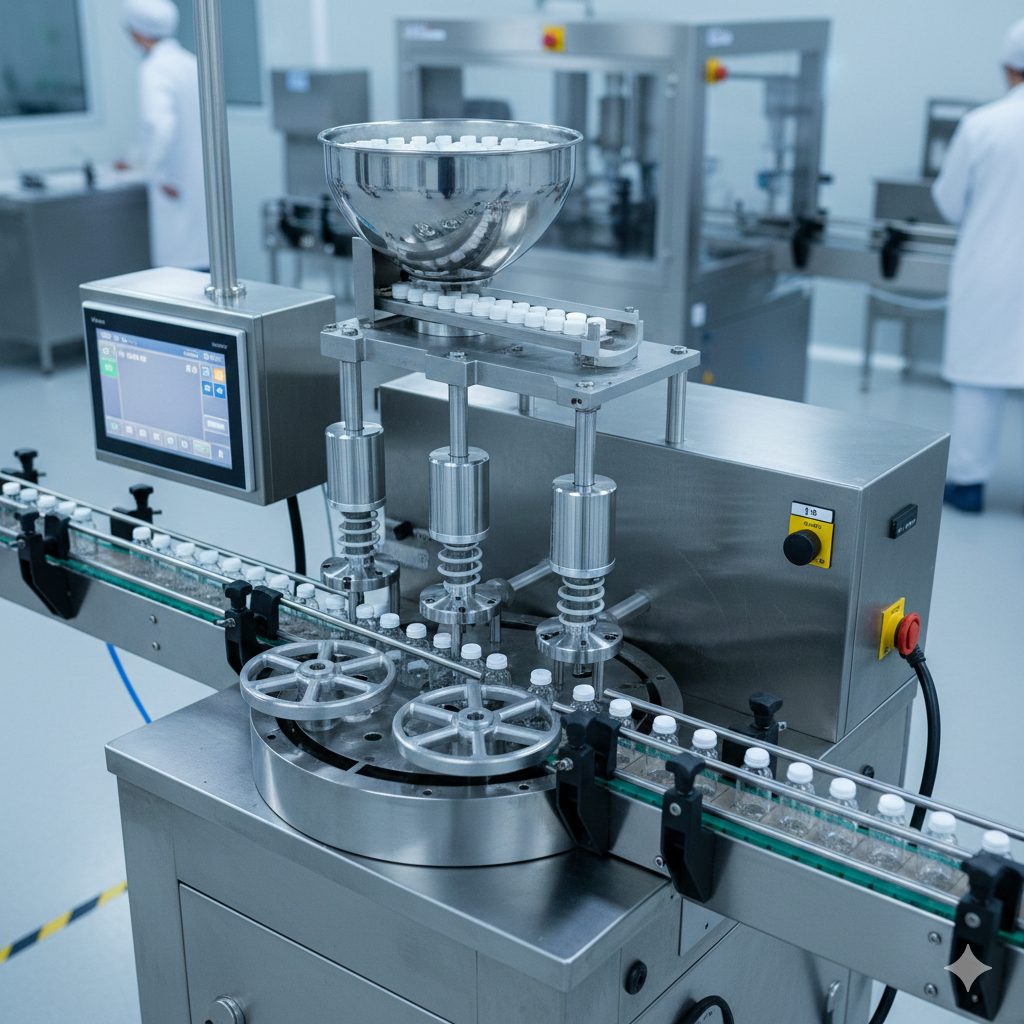
These machines are designed for high-volume production lines. They automatically feed bottles, orient and place caps, and then apply and tighten them without human intervention. Automatic cappers are known for their speed, precision, and consistency.
2. Semi-Automatic Capping Machine
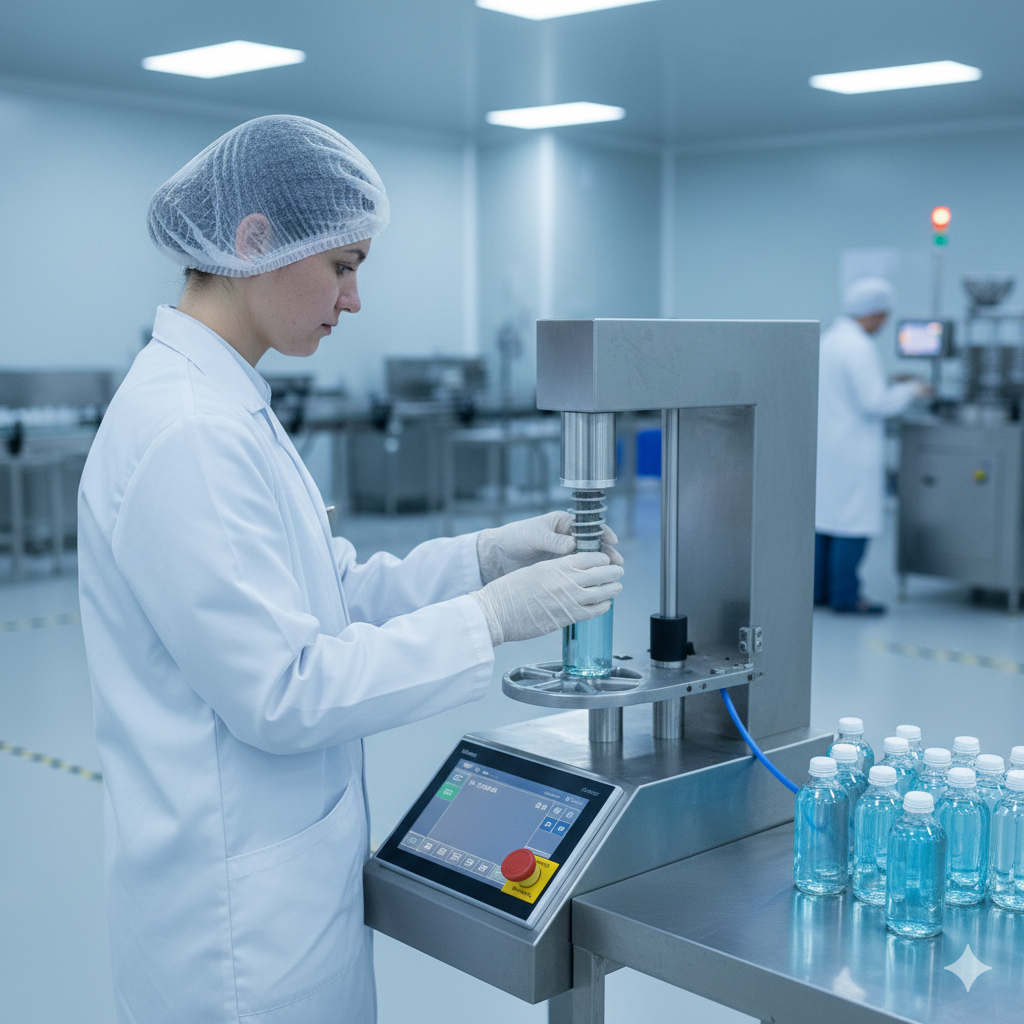
These machines require an operator to place the cap onto the bottle, after which the machine automatically tightens it. They are ideal for medium-volume production, startup businesses, or products with unique capping requirements that make full automation challenging. If you are looking to scale your facility, integrating these with high-quality filling equipment is the best way to streamline your production line.
3. Manual Capping Machine
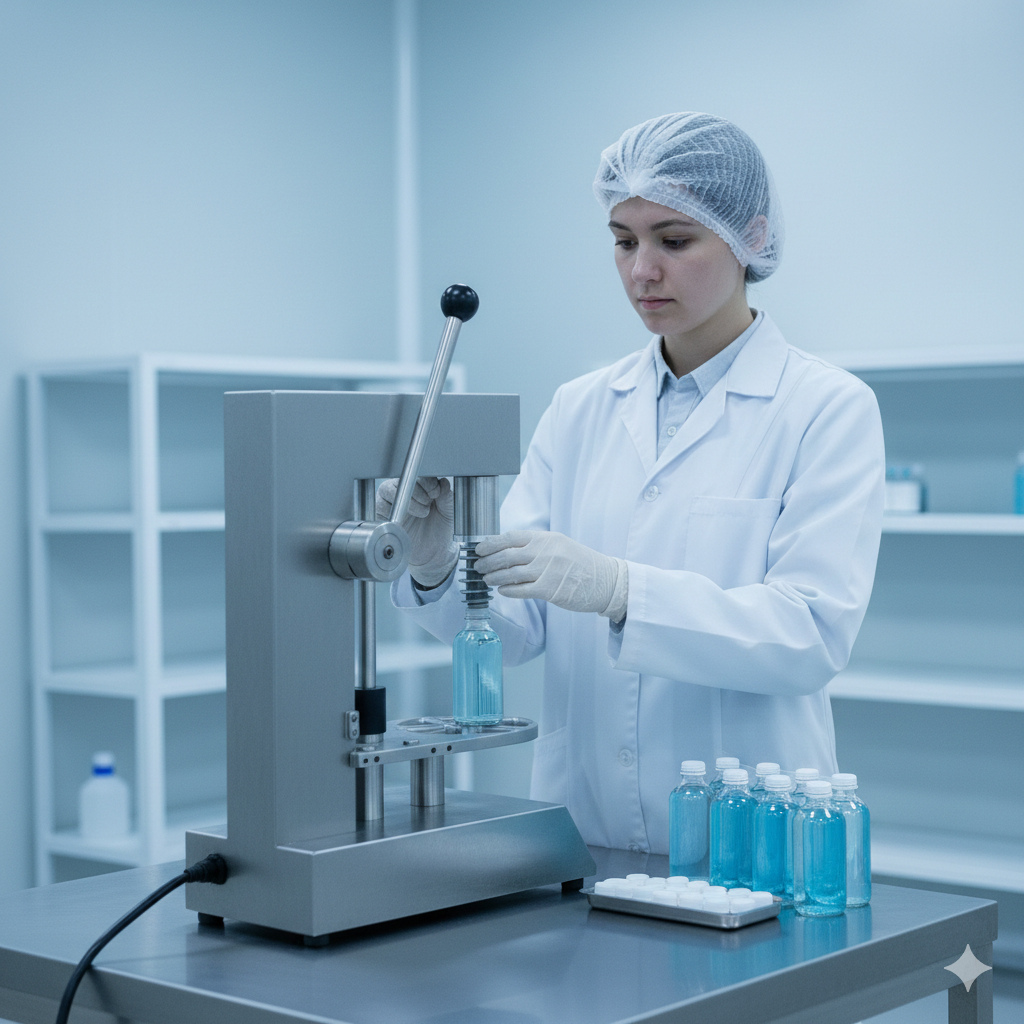
These are simple, hand-operated devices, typically used for very low production volumes, laboratory settings, or specialized capping tasks. They offer consistency over hand-tightening but require full operator involvement. These manual units are often used as a final step after using a small-scale filling machine to ensure each container is sealed precisely.
4. Spindle Capper (Continuous Motion Capper)
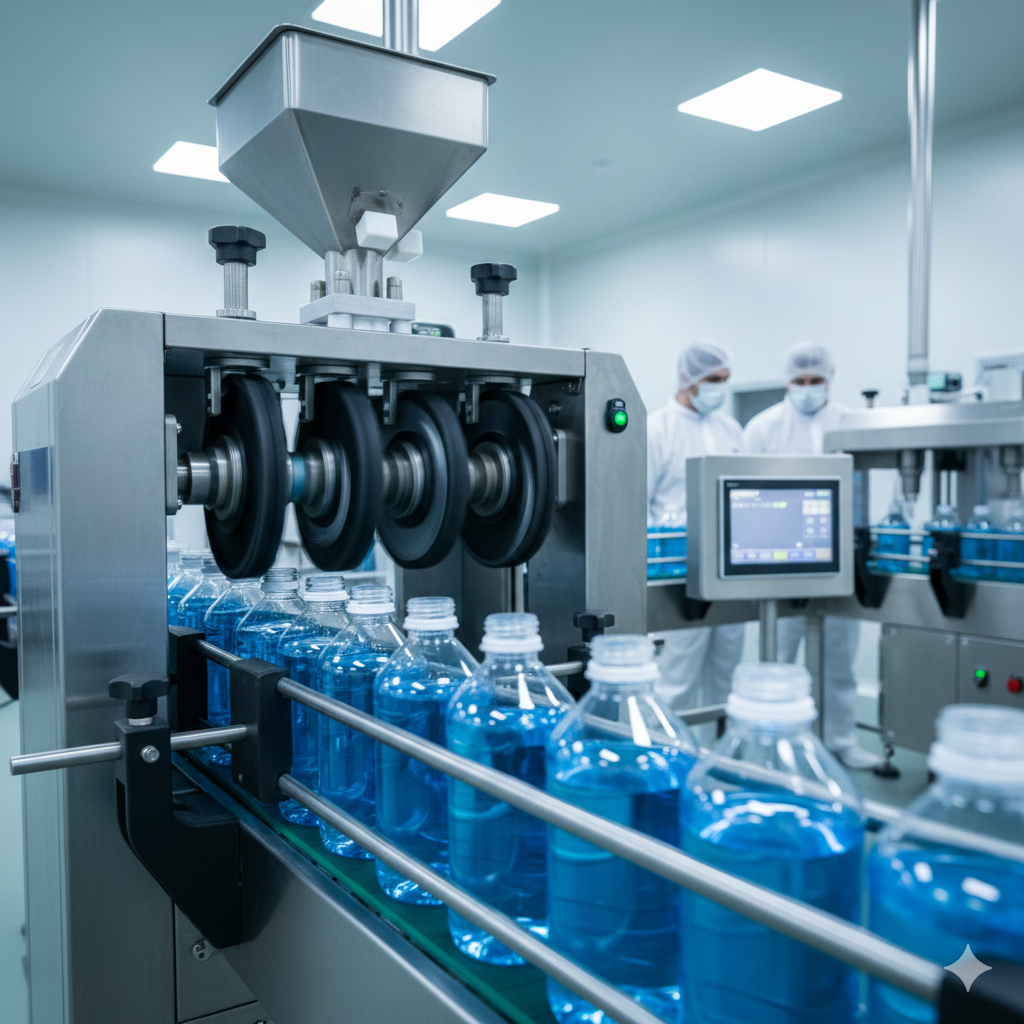
is type of capper, known as a spindle capping machine, uses a series of spinning discs (spindles) that grip and tighten screw caps as containers pass through. They are highly versatile and can handle a wide range of cap sizes and bottle shapes at high speeds.
5. Chuck Capper
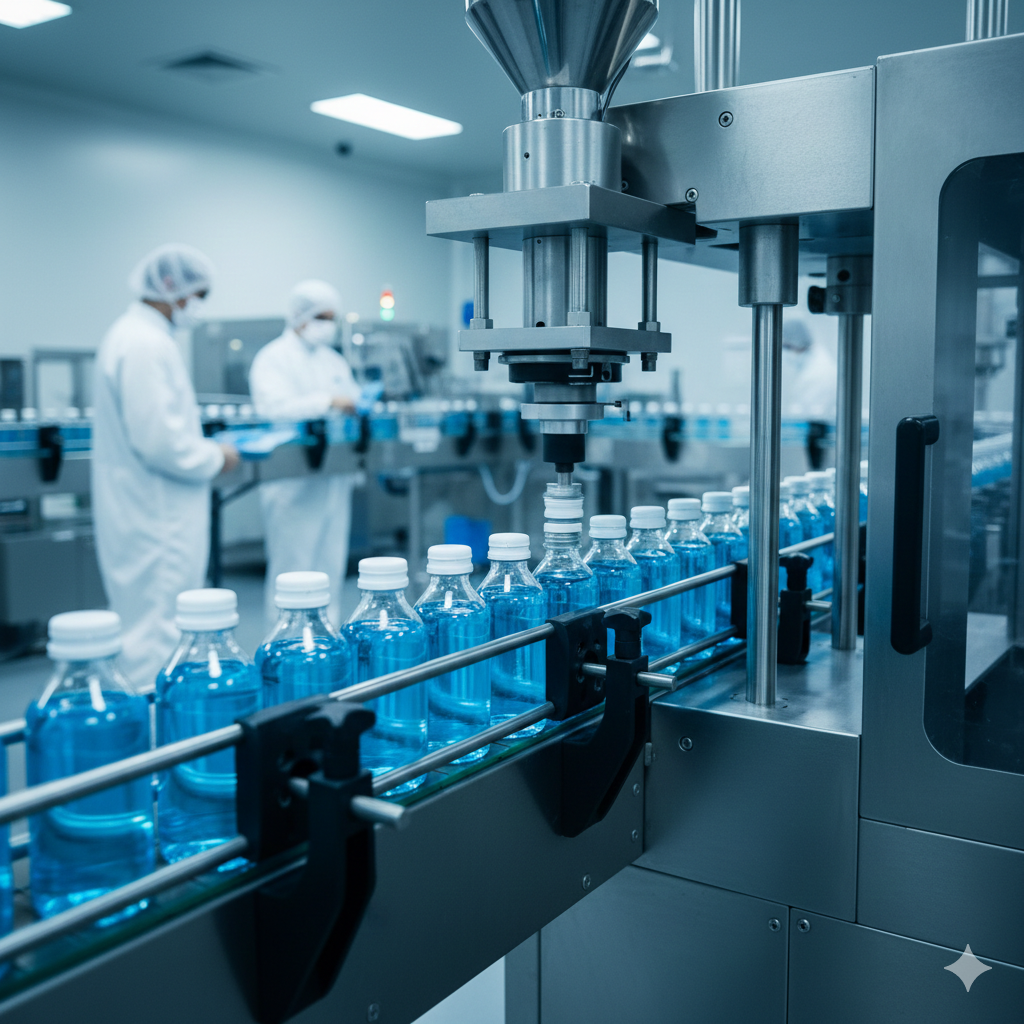
Chuck cappers use a rotating chuck head that descends onto the cap, gripping and twisting it to the desired torque. They are known for their precision and are often used for sensitive or irregularly shaped caps, as well as for applying pump and trigger sprayers. Much like choosing the best capsule filling machine for your production line, selecting a chuck capper ensures maximum accuracy and product safety.
6. ROPP Capper (Roll-On Pilfer Proof)
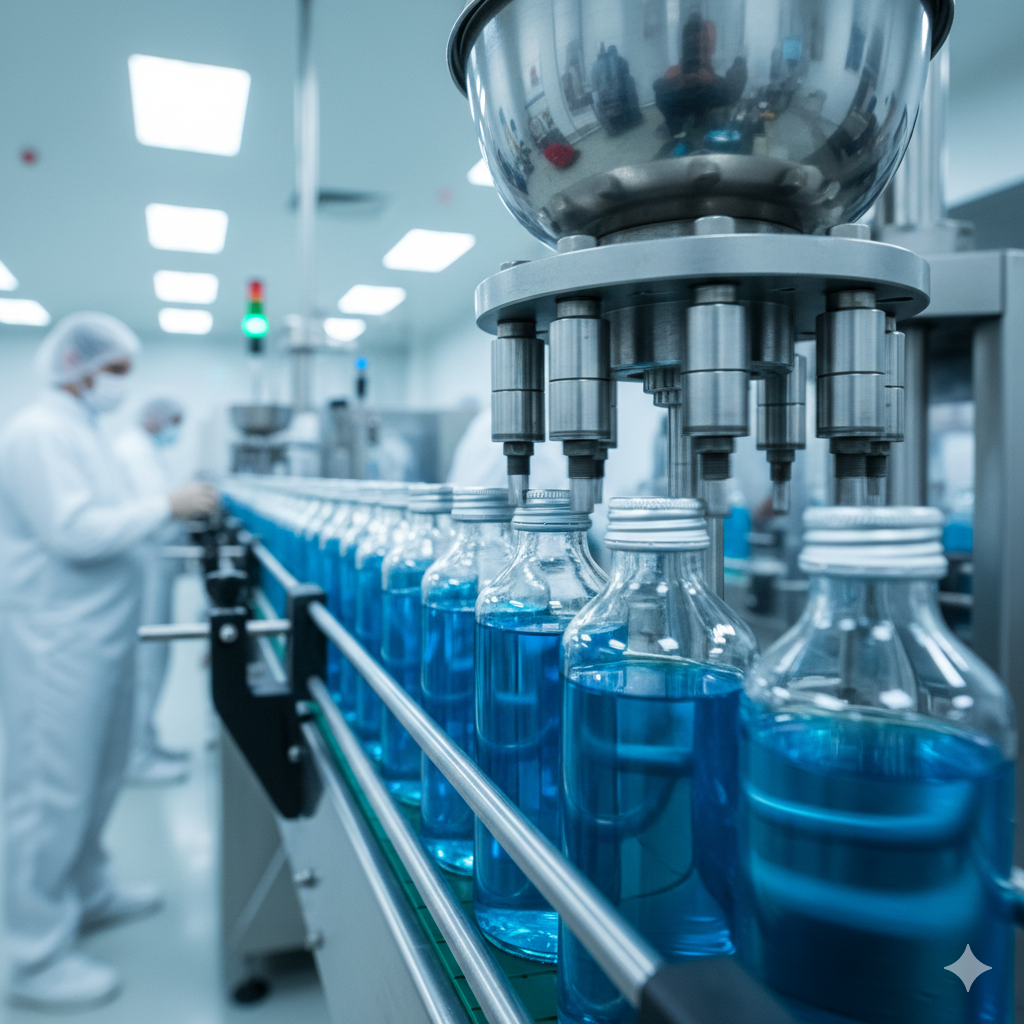
ROPP cappers create a thread on a blank aluminum cap directly onto the bottle neck, forming a tamper evident seal. They are commonly used for spirits, pharmaceuticals, and some food products. For a complete production setup, these units are often paired with a high-quality filling machine to ensure maximum efficiency and hygiene from start to finish.
7. Snap Capper
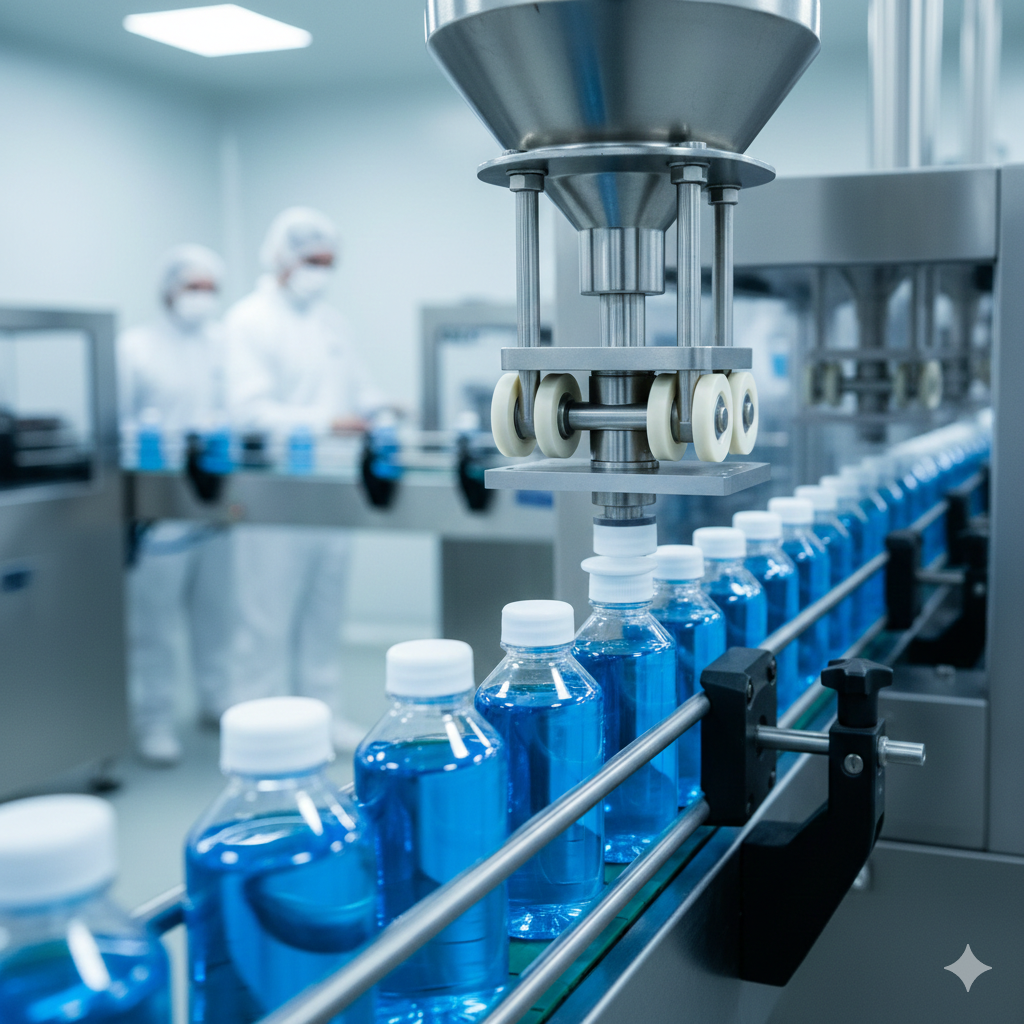
Snap cappers press or “snap” caps onto containers, often using a belt system or a descending head. They are commonly used alongside high-speed liquid filling machines for caps that don’t require threading, such as child-resistant snap caps, overcaps, or specialized pour spouts.
Key Features to Look for in a Capping Machine
When selecting a capping machine, several features are crucial for optimal performance and integration into your production line:
- Speed and Throughput: Match the machine’s capacity to your desired production volume.
- Cap and Bottle Versatility: Can it handle various cap types (screw, snap, pump, ROPP) and bottle sizes/shapes you use or plan to use?
- Torque Control: Precise and consistent torque application is vital to prevent leaks (under-tightening) or cap damage (over-tightening).
- Changeover Time: How quickly and easily can the machine be adjusted for different bottle and cap combinations?
- Ease of Operation and Maintenance: User-friendly controls and accessible components simplify operation and reduce downtime.
- Construction Material: Stainless steel is preferred for hygiene, durability, and corrosion resistance, especially in food, beverage, and pharmaceutical industries.
- Safety Features: Emergency stops, guarding, and interlocks are essential for operator safety.
- Integration Capabilities: Can it easily integrate with existing filling machines, labeling machines, and conveyors?
- Sensors and Controls: Features like “no bottle, no cap” or “no cap, no tighten” enhance efficiency and reduce waste.
- Compliance: Ensure it meets relevant industry standards (e.g., FDA, GMP).
Industries That Rely on Capping Machines
Capping machines are indispensable across a vast array of industries, including:
- Food and Beverage: Sealing everything from water bottles and juices to sauces, jams, and condiments while adhering to strict FDA food packaging guidelines to ensure consumer safety and product freshness..
- Pharmaceuticals: Capping medicine bottles, syrups, vials, and pill containers, often with child-resistant or tamper-evident features.
- Cosmetics and Personal Care: Sealing lotions, creams, shampoos, perfumes, and makeup products that require airtight closures to maintain formula stability.
- Chemical and Household Products: Capping cleaning supplies, detergents, pesticides, and automotive fluids often requires specialized equipment to meet strict safety and child-resistant packaging standards.
- Nutraceuticals: Sealing vitamin and supplement bottles.
- Wineries and Breweries: Capping wine bottles, beer bottles, and spirits with various closure types.
Choosing the Right Capping Machine
Selecting the “best” capping machine isn’t about finding a one-size-fits-all solution, but rather finding the right fit for your specific needs. Consider these factors:
- Product Type: Liquid, viscous, powder, solid? This influences cap type and sealing method.
- Container Type: Glass, plastic, metal? Bottle shape and neck finish.
- Cap Type: Are you using screw caps, snap-ons, ROPP, pumps, trigger sprayers, or droppers? The type of closure dictates the specific gripping and torque technology your machine will need.
- Production Volume: Low, medium, or high? This dictates whether you need manual, semi-automatic, or automatic.
- Budget: Capping machine prices vary widely based on automation level, features, and brand.
- Future Growth: Consider scalability and flexibility if you anticipate increasing production or diversifying products.
- Space Availability: Ensure the machine fits comfortably within your existing production area.
Conclusion
Capping machines are a cornerstone of efficient and reliable packaging operations. By understanding the different types, their features, and the critical role they play, businesses can make informed decisions to enhance their production lines, ensure product integrity, and ultimately build consumer trust. Staying updated on the latest packaging machinery trends and adhering to ISO quality standards is essential for modern manufacturers. Investing in the right capping machine is an investment in the quality and success of your product.