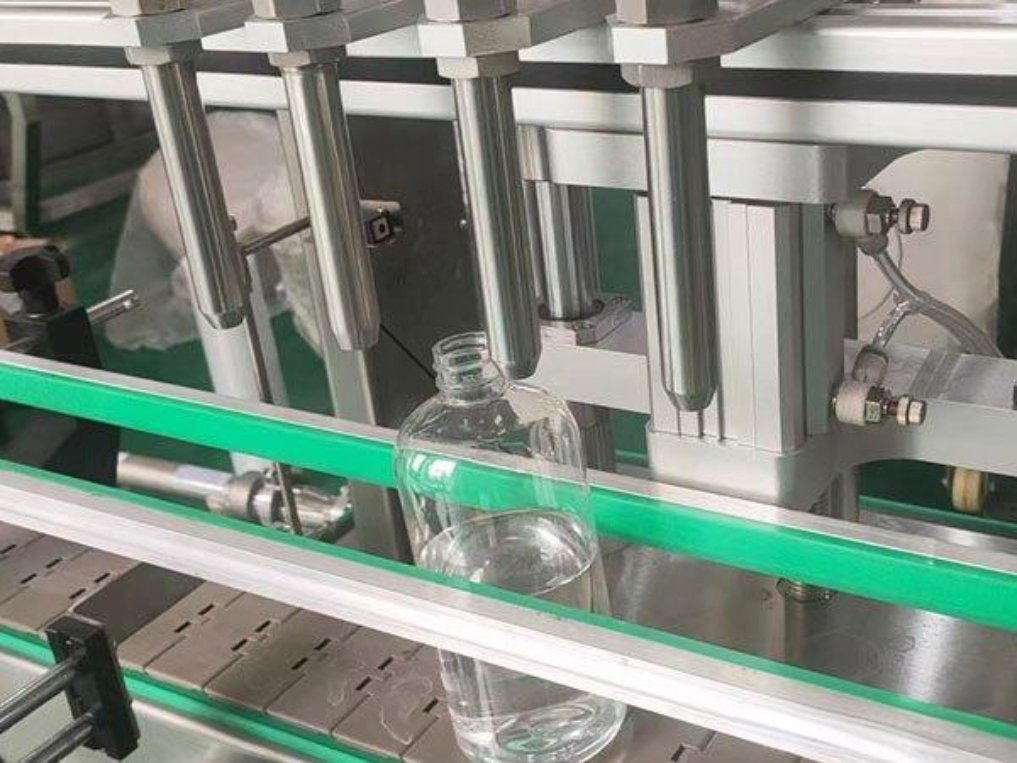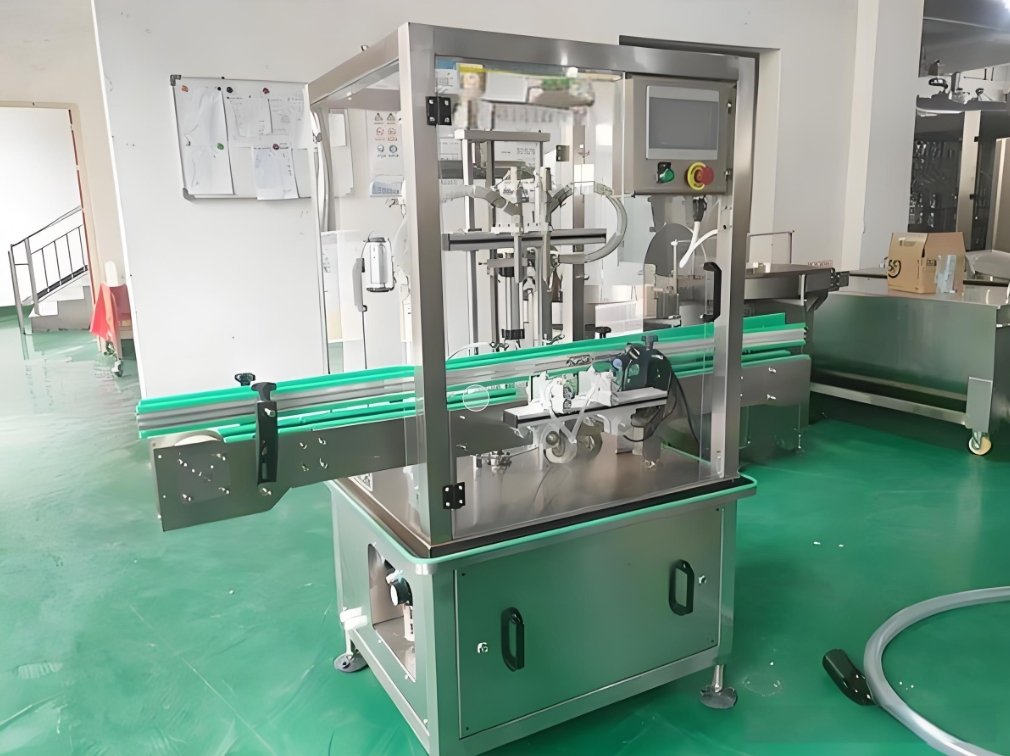
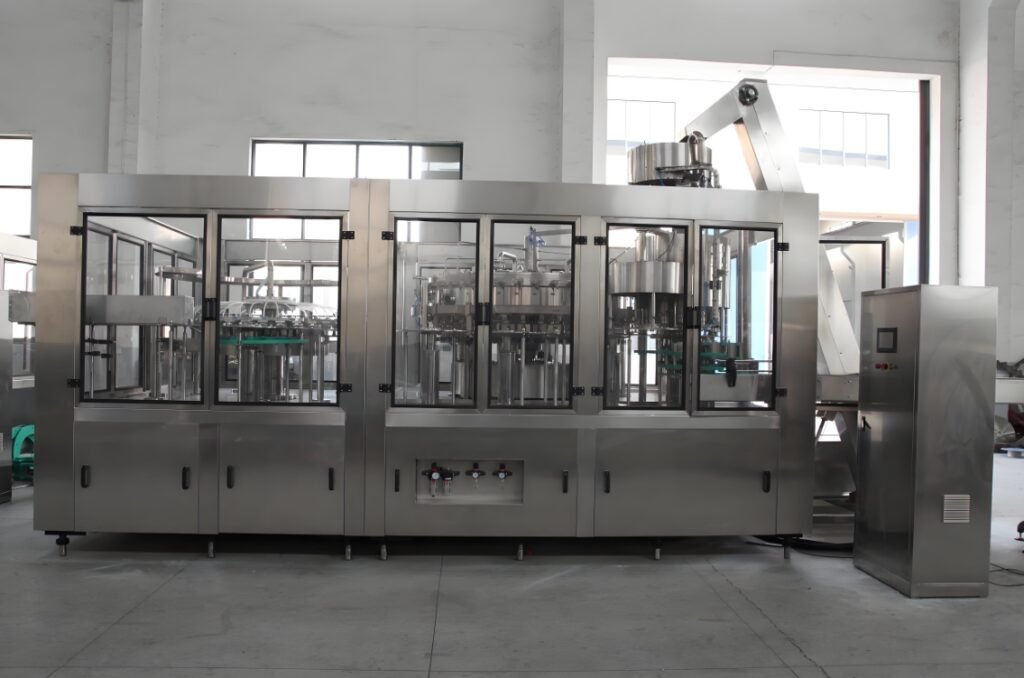
Automation is changing the way modern production lines work. One area where this change is especially important is filling machine automation. Today, businesses in the food, beverage, pharmaceutical, cosmetic, chemical, and packaging industries use automated filling systems to increase production speed, improve accuracy, reduce waste, and maintain consistent product quality.
An automatic filling machine helps companies fill bottles, jars, cans, pouches, and containers with better control compared to manual filling. However, like any production investment, automation also comes with some challenges that businesses should understand before choosing the right system.
In this article, we will discuss the main benefits and challenges of using filling machine automation.
What Is Filling Machine Automation?
Filling machine automation refers to the use of machines to fill products into containers with minimal manual effort. These machines can handle liquids, powders, pastes, creams, granules, and other materials depending on the product type.
For example, a liquid filling machine is commonly used for beverages, oils, syrups, sauces, chemicals, and pharmaceutical liquids, while a powder filling machine is suitable for products such as spices, flour, milk powder, supplements, and pharmaceutical powders.
Automation helps manufacturers create a faster, cleaner, and more controlled production process.
Benefits of Filling Machine Automation
Increased Production Speed
An automatic filling machine works much faster than manual labor. This is one of its biggest advantages. With faster filling, companies can meet higher demand and complete more orders in less time.
Automatic machines can fill hundreds or thousands of containers in a short period, depending on the machine type and production setup. This makes automation especially useful for businesses that want to scale production without slowing down output.
In industries like food and beverage, meeting demand on time is important. An automatic filling machine helps maintain faster production without compromising quality.
Improved Filling Accuracy
Automatic filling machines are designed to fill each container with a consistent amount of product. This reduces the risk of overfilling or underfilling, which can affect product quality, customer satisfaction, and profit margins.
Manual filling often leads to human error, especially when production volume is high. A properly configured filling machine helps maintain accurate filling levels across bottles, jars, cans, or pouches.
This accuracy is especially important in pharmaceuticals, cosmetics, food, and chemical industries where consistency and safety are essential.
Reduced Labor Costs
Using an automatic filling machine reduces the need for manual labor on the production line. Fewer workers are required to handle repetitive filling tasks, which helps businesses lower labor costs and improve operational efficiency.
Instead of assigning multiple workers to manual filling, companies can use automation and shift employees to other important areas such as quality checking, packaging, machine monitoring, or dispatch preparation.
For companies planning to expand production, investing in packaging machines can help reduce manual workload and improve long-term productivity.
Less Product Waste
Automatic filling machines control product flow with high precision. This helps reduce spills, overflow, and unnecessary product loss.
In manual filling, waste can happen easily due to inconsistent pouring, inaccurate measurement, or container handling mistakes. With automation, the machine fills each container according to the required volume or weight.
Reducing product waste saves money and improves production efficiency. This is especially valuable for businesses working with expensive liquids, chemicals, oils, creams, or pharmaceutical materials.
Higher Production Efficiency
Automation improves the overall efficiency of the production line. Automatic filling machines can work continuously for long periods and maintain consistent speed.
Manual labor depends on worker availability, breaks, fatigue, and human performance. Machines can keep production moving with fewer interruptions, especially when connected with supporting equipment such as capping machines and labeling machines.
This creates a smoother workflow from filling to sealing, labeling, and final packaging.
Better Product Consistency
Consistency is one of the biggest advantages of automated filling systems. Every container is filled with the same amount of product, which helps maintain brand trust and product reliability.
For example, if customers buy a beverage, shampoo, medicine, or sauce, they expect every bottle to have the same quantity and quality. Filling machine automation helps companies meet these expectations on a large scale.
This also supports better quality control and helps reduce complaints related to uneven filling.
Suitable for Different Product Types
Automatic filling machines can be customized for different products and container types. Whether a company is filling liquids, powders, creams, pastes, or granules, there are machines available for different production needs.
For example, businesses handling granular materials can use a granule filling machine for products such as seeds, grains, pulses, sugar, tea, coffee, spices, and similar items.
This flexibility makes filling automation useful across many industries, including food processing, pharmaceuticals, cosmetics, chemicals, agriculture, and consumer goods.
Challenges of Filling Machine Automation
High Initial Investment
One major challenge of filling machine automation is the initial cost. Automatic filling machines can be expensive, especially advanced models with higher speed, better controls, and customized features.
Small businesses may find it difficult to invest in automation at the beginning. However, the long-term savings in labor, time, accuracy, and product waste often make the investment worthwhile.
Before buying a machine, businesses should compare production needs, product type, container size, and expected output.
Regular Maintenance Requirements
Automatic filling machines require regular maintenance to perform properly. If maintenance is ignored, the machine may slow down, break down, or produce inaccurate filling results.
Maintenance can include cleaning, lubrication, inspection of parts, checking sensors, replacing worn components, and ensuring proper calibration.
Companies using automated systems should create a maintenance schedule to reduce downtime and keep the production line running smoothly.
Technical Training Is Needed
Operating an automatic filling machine requires basic technical knowledge. Workers need to understand how to start the machine, adjust settings, change filling volumes, clean parts, and identify common issues.
Without proper training, mistakes can happen, which may lead to product loss, downtime, or poor filling accuracy.
This is why companies should train operators before using automated filling systems in full production.
Limited Flexibility for Very Small Batches
Automatic filling machines are ideal for medium and large-scale production. However, they may not always be the best option for very small batches.
If a company only needs to fill a small number of containers, manual filling or semi-automatic filling may be more practical. Setting up a fully automatic system for a small batch can take more time than the actual filling process.
For businesses with changing production needs, a semi-automatic filling machine can be a better starting option.
Power and Energy Consumption
Automatic filling machines require electricity to operate. Larger machines and full production lines can increase energy usage, which may raise operating costs.
Businesses should consider energy efficiency when choosing a machine. Modern filling machines with efficient motors, controls, and production planning can help reduce unnecessary power consumption.
Choosing the Wrong Machine Can Cause Problems
Not every filling machine is suitable for every product. Thin liquids, thick pastes, powders, granules, foaming liquids, and corrosive chemicals may all require different filling systems.
For example, water and juice may require a different machine compared to honey, cream, oil, powder, or granules. Choosing the wrong machine can cause filling errors, product damage, slow production, or higher maintenance issues.
Before making a purchase, businesses should discuss their product type, container size, production speed, and filling accuracy requirements with a machine supplier.
How to Choose the Right Filling Machine
Before investing in automation, businesses should consider these key factors:
- Product type: liquid, powder, paste, cream, granule, or chemical
- Container type: bottle, jar, pouch, can, tube, or bucket
- Required filling speed
- Filling accuracy requirements
- Production volume
- Available factory space
- Cleaning and maintenance needs
- Budget and long-term ROI
Choosing the right machine helps reduce production issues and improves overall efficiency. Businesses can also explore related equipment such as bottle filling machines, capping machines, labeling machines, and packaging systems to build a complete production line.
Final Thoughts
Filling machine automation offers many benefits for modern manufacturers. It improves production speed, filling accuracy, product consistency, labor efficiency, and waste control. For growing businesses, an automatic filling machine can be a valuable investment that supports higher output and better quality.
However, automation also comes with challenges such as high initial cost, maintenance needs, technical training, energy use, and machine selection issues. The key is to choose the right filling machine according to the product, container, and production requirements.
With the right setup, filling machine automation can help businesses build a faster, cleaner, and more reliable production process.
FAQs About Filling Machine Automation
What is an automatic filling machine?
An automatic filling machine is a machine used to fill products into bottles, jars, cans, pouches, or other containers with minimal manual work. It helps improve production speed, filling accuracy, and efficiency.
Which industries use filling machine automation?
Filling machine automation is commonly used in food, beverage, pharmaceutical, cosmetic, chemical, agriculture, and packaging industries.
What products can be filled with automatic filling machines?
Automatic filling machines can handle liquids, powders, creams, pastes, granules, oils, sauces, chemicals, and pharmaceutical products depending on the machine type.
Is an automatic filling machine suitable for small businesses?
Yes, but it depends on production volume. Small businesses may start with a semi-automatic filling machine before moving to a fully automatic system.
How does automation reduce product waste?
Automation controls the filling process more accurately, which reduces spills, overflow, and incorrect filling levels. This helps save product and improves production efficiency.
What should I check before buying a filling machine?
Before buying a filling machine, check your product type, container size, filling speed, accuracy needs, production volume, maintenance requirements, and available budget.