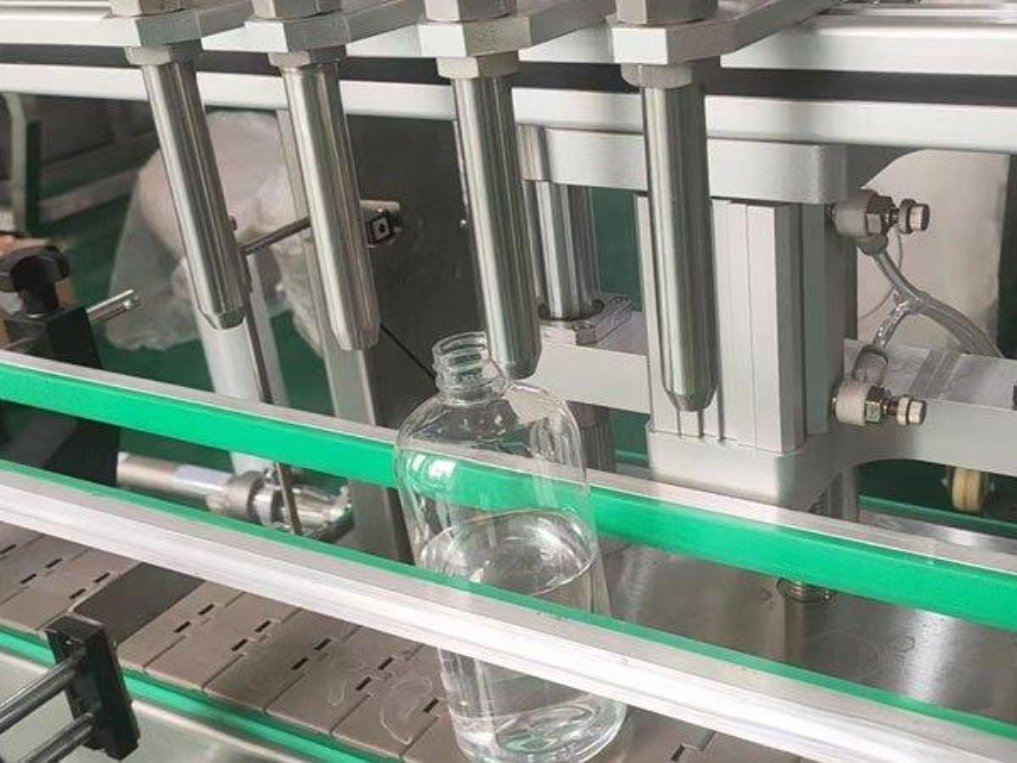
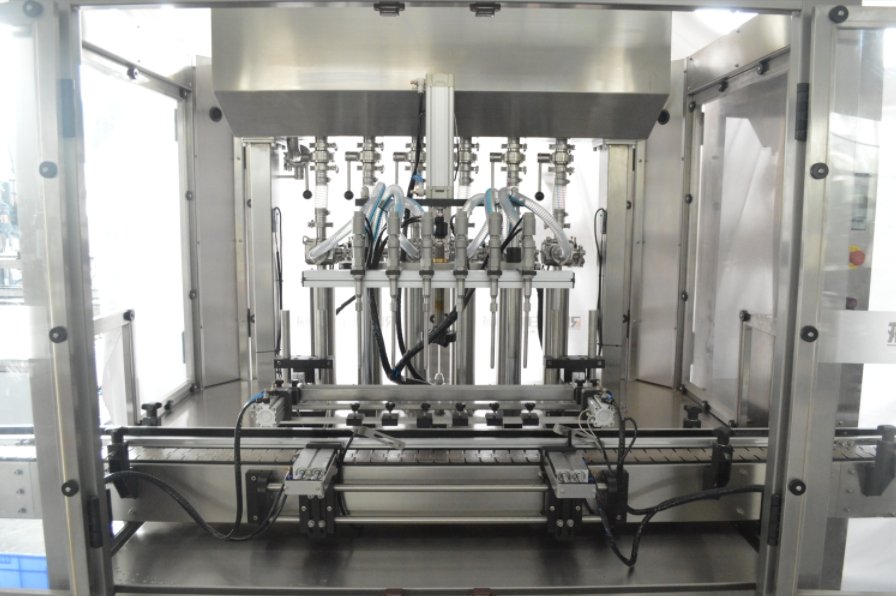
A soda bottle that foams as it leaves the filler and a juice bottle that looks low after the foam settles can point to different beverage filling machine problems. Foaming, inconsistent fills, carbonation loss and line stoppages each leave clues about where the fault began. For bottling plant operators and production managers, two observations narrow the search: which station first shows the defect, and does it affect one filling valve or the entire run?
Use the checks below with the approved recipe for your drink, container and filling system. Observe moving equipment from outside its guards. Internal inspection, jam clearing and work on pressurized components require the applicable isolation procedure and authorized personnel.
Quick Diagnosis of Common Beverage Filling Problems
- Soda foams as the bottle releases from the valve. Check the actual beverage temperature at the filler and whether the foam follows one valve. Note whether the bottle filled quietly before release.
- Juice foams as soon as the stream enters the bottle. Look for splashing at entry. Check whether bubbles are already visible in the incoming product through an approved sight glass.
- One bottle in a repeating sequence looks low. Trace samples to their filling valves and measure net contents after the foam settles. A repeating low result can identify a single faulty head.
- Sealed drinks lose carbonation during storage. Compare freshly closed samples with retained samples from the same run under the approved test conditions. Record which capper or seamer head closed each package.
- The filler keeps stopping with bottles still on the conveyor. Read the first alarm and locate the first gap or backup. A capper waiting for caps can stop a healthy filler upstream.
- A cleaning cycle fails verification. Keep the line out of production, identify potentially affected product and follow the plant’s sanitation deviation procedure.
Why Beverage Filling Problems Differ by Drink Type
Carbonated drinks such as soda and sparkling water contain dissolved CO₂. On a counter-pressure bottle filler, the machine brings the bottle and filler bowl to the required pressure balance before liquid enters. On some designs, displaced gas escapes through a vent tube during filling, followed by a settling period and controlled pressure release. A fault at release can produce a burst of foam even when liquid entered smoothly. The valve sequence depends on the filler design.
Still drinks such as bottled water, juice and ready-to-drink tea have different starting points. An aerated juice may arrive at the filler already foamy. A clear water bottle may simply look underfilled because its internal dimensions differ from those of another bottle. Establish whether the machine controls liquid height or dispensed volume before interpreting the result. Some fillers stop at a vent-tube level, while others meter the volume delivered.
Hot-fill and aseptic drinks also have process conditions that govern product release. A hot-fill temperature deviation needs review against the validated process. On an aseptic filling line, a loss of sterile conditions requires the documented recovery procedure and a decision on affected product. A normal fill level tells you little about either condition.
Common Beverage Filling Machine Problems and How to Fix Them
1. Excessive Foaming During Beverage Filling
Watch when the foam first appears. If still tea splashes and foams at the first impact, check the selected fill profile, container position and inlet stream against the approved setup. If foam is visible before the valve opens, trace it upstream to mixing, transfer or air entering the product feed. Changing the nozzle setting will have little effect on foam already entering the filler.

For a carbonated drink that foams on release, compare product temperature and the recorded pressure sequence with a successful run of the same drink. If one valve stands out, have a technician check its seal and controlled pressure-release mechanism. Verify the correction at normal operating speed by checking settled net contents, overflow and closure cleanliness across several cycles.
2. Inconsistent or Low Beverage Fill Levels
Collect samples through the approved sampling point and identify the filling head for each. Let foam settle, then use the plant’s net-content method. If that method uses weight to determine volume, account for container tare and the beverage density at the specified measurement temperature. Two bottles can show different liquid heights while containing the same quantity.
A low result tied to one head directs attention to that valve, its vent tube where fitted, or its metering channel. If all heads drift together, check product supply, tank level, temperature and recipe selection before recalibrating. After correction, compare the suspect head with neighboring heads over repeated cycles. For a confirmed dosing fault, follow the checks for liquid dispensing and calibration.
3. Carbonation Loss After Filling
Determine where CO₂ first falls below specification. Have trained personnel compare the incoming beverage with freshly sealed packages using the approved carbonation test. If the incoming product is already low, investigate carbonation and transfer conditions upstream. If inlet carbonation is acceptable but fresh packages are low, review temperature at the filler, pressure balance, foam loss and the time between filling and closure.
If fresh packages pass but retained packages fail, investigate closure integrity and storage history. Compare samples under the same test conditions and trace failures to a capper or seamer head. Verify the correction with both freshly closed and retained samples. A taste check alone cannot locate the loss.
4. Unstable Filling Pressure or Flow
When several valves surge or slow at once, compare the filler’s product-pressure trend with tank level, pump operation and refill timing. A disturbance that repeats each time the supply tank refills gives maintenance a specific event to investigate. A single slow valve with stable common supply points toward a local restriction.
On counter-pressure equipment, distinguish product-feed pressure from gas-side pressure. Use installed instruments and alarm histories to identify which reading changes first. Have qualified personnel inspect the relevant feed controls or gas-return path under the manufacturer’s isolation procedure. Confirm stable pressure and acceptable fills through the event that originally triggered the fault.
5. Filling Valve Leakage and Dripping
A wet bottle neck can come from a drip after cutoff, foam spilling at release or a leak after capping. Observe the same station through several cycles. A drop forming on a closed valve between containers points toward its seat, seal or closing action. A neck that stays dry until the capper calls for a closure check.
After isolation, maintenance can inspect the affected valve for beverage residue, damaged sealing surfaces or incorrect reassembly after cleaning. Use the approved cleaning or replacement procedure, then check the first containers and the valve between cycles. For leakage extending beyond the valve, follow the guide to tracing leaks through the product path.
6. Bottle Misalignment and Conveyor Jams
Find the first bottle that loses position. A bottle leaning before the infeed screw suggests a guide, spacing or incoming-container issue. Bottles entering upright but tipping at the starwheel transfer point direct attention to change parts, transfer timing or damage to a particular starwheel pocket.

Check the container lot and installed format parts against the changeover record. Have authorized personnel clear the jam and correct the setup under the prescribed procedure. Verify transfer at the approved test speed and again at production speed. Watch the line through a normal accumulation and restart, especially if the jam originally followed a downstream pause.
7. Capping Problems and Leaking Containers
For a leaking bottle, inspect a sample for a crooked closure, damaged neck finish, incorrect cap or beverage on the sealing surface. Map failed packages to the capper head and component lot. For screw caps, use the closure supplier’s specified application checks and removal-torque test where applicable. Increasing torque can damage a closure whose original problem was alignment.
For a leaking can, record the seamer head and can-end lot. Have a trained examiner assess the double seam against the can and end supplier’s specifications, including teardown measurements where required. Hold suspect packages and verify the corrected head before releasing production. Bottle-cap torque tells you nothing about can seam integrity.
8. Hygiene and Cleaning Failures
A failed rinse check, residue at a valve or an incomplete clean-in-place (CIP) record requires investigation before the next run. Review the cycle for the circuit that failed. Check the selected route, return flow and recorded time, temperature and chemical concentration against the approved program. A completed timer cannot establish that cleaning solution reached every product-contact surface.
Keep the line on hold while sanitation personnel correct the fault and repeat the required cleaning and verification. If product was exposed, quality assurance must determine its disposition. Aseptic equipment also requires its validated sterilization and sterile-boundary recovery steps when applicable. Resume production only after the required checks and release authorization.
9. Temperature-Related Filling Problems
If sparkling water starts foaming after a line pause, compare its temperature at the filler during the first restart cycles with its temperature during steady production. A tank reading can miss product that warmed in the transfer line. Restore approved cooling or recirculation conditions and verify the next restart as well as the steady run.
On a hot-fill line, a temperature reading outside the validated limit requires the plant’s deviation response. Identify the affected time window, segregate potentially affected packages and involve quality assurance. A later return to target temperature does not establish that earlier packages received the required process.
10. Slow Production and Repeated Machine Stoppages
Read the first alarm in the sequence. A “filler blocked” message can follow a cap-feed interruption, while a “no bottle” warning can follow a gap created at the upstream transfer. Record the first affected station, stop duration, container format and whether the filler was waiting for empty containers or for downstream space.
Correct the identified cause, such as a displaced sensor bracket, an incorrect guide position or a cap supply interruption. Compare stop counts and lost minutes over comparable runs of the same format. For repeated drive trips, failed interlocks or startup faults, use the general filling machine troubleshooting guide and escalate to qualified maintenance.
Step-by-Step Beverage Filling Machine Troubleshooting
- Contain the fault. Identify the last acceptable check and follow the site’s hold procedure for potentially affected packages. Stop for a safety, sanitation or validated-process deviation.
- Capture the sequence. Record the drink, container lot, recipe, speed, temperature, pressure and first alarm. Note whether the fault followed a changeover, refill, cleaning cycle or restart.
- Map the defect. Trace samples to filling valves and closure heads where possible. Compare one head with its neighbors and compare startup samples with steady production.
- Make one authorized correction. Use the approved setup for that product. Leave guarded, electrical and pressurized work to qualified personnel.
- Repeat the original conditions. If the fault appeared after a pause, test a controlled restart. Document the applicable fill, carbonation, closure and hygiene results before the authorized return to normal production.
Preventive Maintenance for Beverage Filling Equipment
Build the maintenance schedule around the manufacturer’s manual, beverage characteristics, operating hours and approved sanitation procedures. Include checks that reveal recurring beverage filling machine problems early.
- At startup or changeover, verify the valve and container format, guide positions, recipe and first-off fill measurements. Check a finished closure from each applicable head under the sampling plan.
- During production, trend product temperature, pressure, fill results and rejects by station. Record short stops as well as breakdowns so repeated cap-feed or transfer faults appear in downtime reviews.
- During cleaning and planned service, verify the approved product-contact cleaning cycle. Inspect valve seats, seals and gaskets for wear, residue or damage after disassembly. Document replacement parts and post-service checks.
- At the next comparable run, review whether the same valve, capper head or transfer point failed again. Use the beverage filling equipment maintenance guide when planning these checks.
When Should Beverage Manufacturers Seek Technical Support?
Escalate recurring CO₂ loss with acceptable inlet carbonation, pressure deviations outside operator authority, repeat seal failures, unresolved sanitation deviations or faults that return after the approved setup is restored. Give the supplier the machine model, beverage type, target fill, container drawing, affected head numbers, alarm sequence and measured results from good and rejected packages.
If only one new can format fails at the required line speed, include the can and end specifications and the speed at which failures begin. Those details help the supplier assess can filling equipment compatibility and the transfer to the seamer. For faults spanning conveyors, filling and closing, identify the interfaces between the automated line components.
Frequently Asked Questions
Why does my beverage filling machine produce too much foam?
Identify when foam begins. Foam already present at the inlet points upstream. Splashing during a still fill suggests turbulence. A carbonated drink that foams at valve release warrants checks of product temperature, pressure equalization and the release sequence.
What causes inconsistent beverage fill levels?
A faulty valve, restricted vent or metering error can affect one head. Product supply or temperature changes can affect many heads together. Measure net contents and trace samples to their heads before adjusting the fill target.
Why do carbonated beverages lose CO₂ after packaging?
Compare carbonation at the filler inlet, immediately after closure and during the specified retention check. The first point that fails helps distinguish an upstream carbonation issue, loss during filling or a leaking finished package.
How can I tell whether a filling valve or a cap is leaking?
Observe where the package first gets wet. A drop forming on the closed valve between fills points toward the filler. A bottle that leaves the filler dry and later leaks at the neck needs a closure integrity check.
Why does my beverage bottling line keep stopping after a format change?
Check the first transfer where spacing changes or a container tips. Confirm the installed guides, starwheel, sensor position and cap format against the approved changeover setup. Use the earliest alarm to identify which station stopped first.
How can I prevent recurring beverage filling machine problems?
Keep fill and closure results traceable to individual heads, verify cleaning before release, and compare downtime by product and format. A record showing the same valve failing after each cleaning cycle gives maintenance a specific reassembly or component issue to investigate.
Conclusion
When a fault returns, record the first station where it appears and the first measurement outside specification. That evidence helps a production team decide whether the next action belongs at the product supply, filling valve, container transfer or closing station.
Dealing with recurring beverage filling problems or planning a new bottling line? Share your beverage type, container format, target fill volume and production capacity with our team to discuss suitable filling equipment options.