
Desktop Filling Machine for Small Batch Production
A desktop filling machine, also called a tabletop filler or benchtop filler, is a compact machine that meters and dispenses a fixed quantity of liquid, oil, cream or paste into containers on a workbench rather than a production floor.
Foshan Popper Machinery has built filling, capping and labeling machinery at our own facility in Foshan, Guangdong since 2015. We match the pump, nozzle and head count to your product rather than supplying the closest standard unit, and we support the machine directly after it ships.
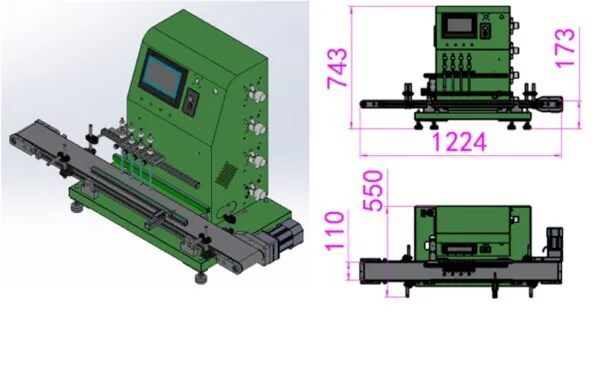
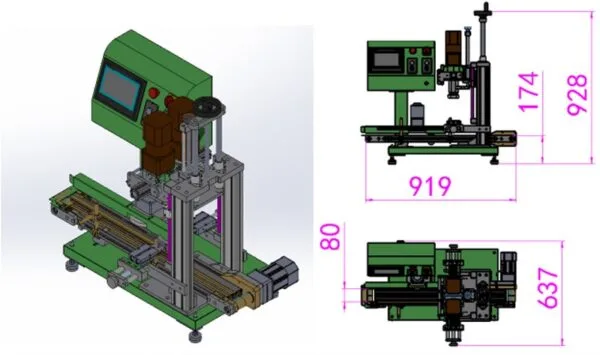
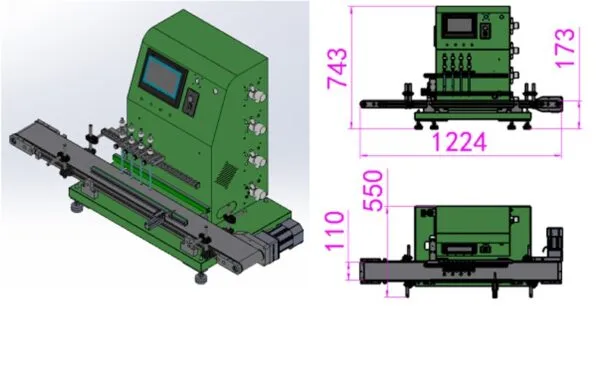
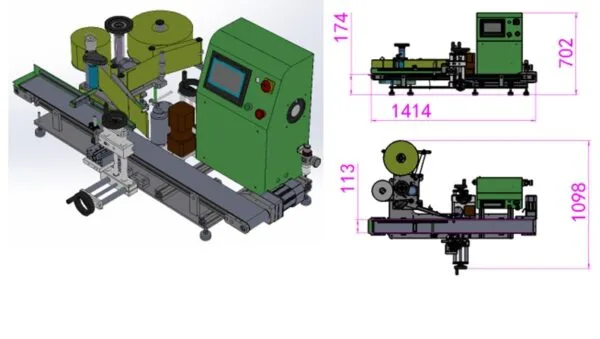
Desktop Filling Machine
At Foshan Popper Machinery, we manufacture compact desktop filling machines for businesses that need accurate, controlled filling without installing a large automatic production line.
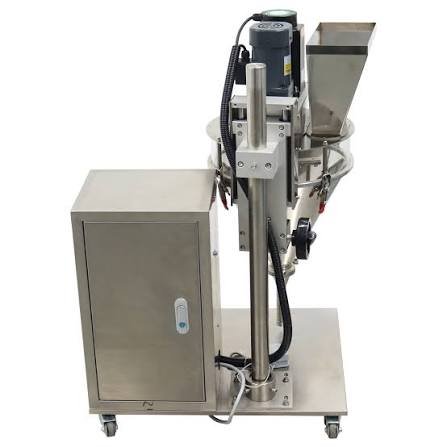
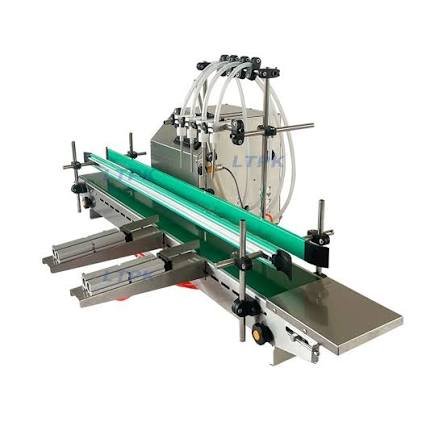
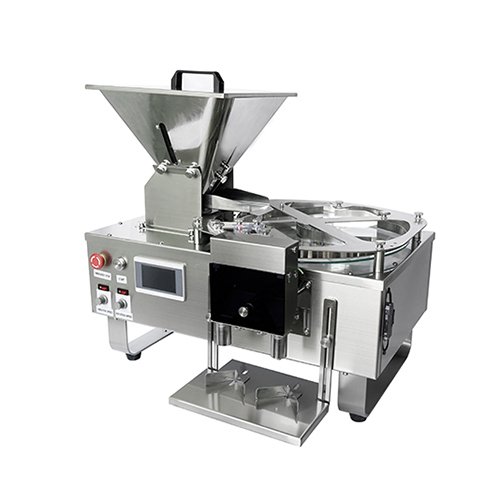
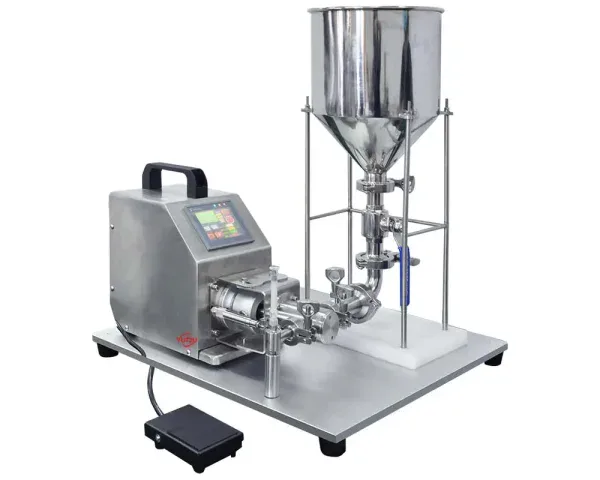
We build desktop filling systems for liquids, oils, detergents, cosmetics, sauces, creams, and other compatible products. Instead of recommending the same machine for every application, we configure the filling method, pump, nozzle, filling heads, and supporting equipment around your actual product and container.
Our desktop filling machines can be used as standalone units or integrated with capping and labeling equipment to create a compact packaging line.
Send us your product, filling volume, bottle dimensions, and required output, and our technical team will recommend the appropriate configuration.
How the Desktop Filling Machine Works
Our desktop filling machines are designed around a straightforward filling process: the product is supplied to the filling system, the container is positioned beneath the nozzle, the required quantity is measured, and the product is dispensed into the container.
The exact process depends on the filling technology we configure for your product.
1. Product Supply
Product is supplied through a hopper, tank, or connected feed system depending on the machine design.
Before we recommend a filling system, we evaluate factors such as:
- product viscosity
- filling volume
- product temperature
- particle content
- foaming tendency
- chemical compatibility
- hygiene requirements
These factors help us determine which filling method is suitable.
2. Bottle Positioning
On basic desktop configurations, the operator positions the container beneath the filling nozzle.
Where higher automation is required, we can configure conveyor-assisted bottle handling and sensing depending on the machine design.
3. Filling Volume Setting
The required fill quantity is set within the operating range of the machine.
We configure the system according to the customer’s target filling volume and production requirements.
4. Product Metering
The filling system measures the required quantity of product.
The metering method depends on the technology selected for the machine, which may differ for thin liquids, oils, creams, sauces, and other viscosities.
5. Controlled Filling
The product is dispensed through the selected filling nozzle.
Where required, we can adapt nozzle design, filling speed, and filling movement to improve control and reduce problems such as:
- dripping
- stringing
- splashing
- excessive foaming
6. Container Transfer
After filling, the container can be removed manually or transferred to capping, labeling, or other packaging equipment depending on the production setup.
Which Pump Type Do You Need?
Pump choice on a desktop filling machine is decided by product viscosity and chemical compatibility. Thin liquids run on gravity, overflow or peristaltic pumps. Viscous products and products containing particles need piston or rotor pumps. The pump then determines cleaning time, changeover speed and which second product the machine can handle.
In small-scale filling this is the decision most often made too quickly. It shows up later as inconsistent volumes, or as a machine that cannot run the product you launch next year.
If you run one thick product, a piston pump is usually the right starting point. If you run several products in small batches with cleaning between each, peristaltic reduces the time lost to changeover. If your bottles are clear and the fill line is visible on the shelf, overflow keeps that line consistent across the batch.
Tell us what you are filling, including viscosity, temperature and whether it contains particles, and we will specify the pump. If your volume has outgrown a desktop machine, we will tell you.
| Pump type | Commonly used for |
|---|---|
Peristaltic |
Essential oils, e-liquid, oral liquids, serums and reagents. Product stays within replaceable tubing, which reduces cross-contamination risk between batches |
Gear or rotor |
Edible oils, lotions, toners, detergents and light creams. Generally not suited to products containing particles |
Piston |
Honey, sauces, gels, thick creams, pastes and products containing particulates. Well suited to accurate volumetric dosing of viscous products |
Magnetic |
Thin, clean liquids. Suitability depends on the wetted materials and chemical compatibility with your product |
Gravity or overflow |
Water, solvents, spirits, perfume and shampoo. Overflow holds a consistent visible fill level despite small variations in container volume |
Desktop, Semi-Automatic or Automatic Filling Machine?
A desktop filling machine suits small batches, frequent product changes and limited space. A semi-automatic machine suits steady production on a small number of SKUs. An automatic inline system suits established, continuous volume.
| Desktop | Semi-automatic | Automatic inline | |
|---|---|---|---|
Operator involvement |
High |
Moderate |
Low |
Footprint |
Benchtop |
Small floor unit |
Full line |
Product changeover |
Fast |
Moderate |
Slow |
Best for |
Small batches, R&D, multi-SKU, startups |
Steady volume, few SKUs |
Continuous production |
Applications of the Desktop Filling Machine
Discover how carton packaging machines improve efficiency, reduce costs, and support reliable packaging across multiple industries.
Applications of the Desktop Filling Machine
A desktop filling machine suits production where batches are small, products change often, or the available space is a bench rather than a factory floor. Contract fillers, small manufacturers, laboratories and growing brands use them for repeatable accuracy without the cost or footprint of an inline system.
Cosmetics and personal care. Lotions, creams, serums, toners and oils. Fill volumes are small and viscosity varies between products, so changeover speed often matters more than throughput.
Food and sauces. Sauces, syrups, honey, dressings and infused oils. Viscosity is the constraint. Thick products containing particulates generally need a piston pump and an agitated hopper.
Beverages. Small-batch juices, cold brew, tinctures and sample runs.
Chemicals and cleaning products. Detergents, solvents, lubricants and specialty chemicals. Confirm chemical compatibility with the wetted parts before ordering, and tell us the product so we can specify the correct materials.
Laboratory and small-batch liquids. Reagents, sample volumes and R&D batches, where the run is short and the product changes frequently.
Why Manufacturers Choose a Desktop Filler
Manufacturers choose a desktop filling machine over an inline system for five reasons.
Fits the space you have. The machine sits on a standard workbench. [CONFIRM: electrical requirement, then state it here.]
Consistent fills across the batch. Set the volume once and the machine repeats it, which protects your label declaration and reduces product giveaway.
Faster changeover on multi-product runs. On peristaltic configurations the tubing is replaced rather than cleaned, which shortens the gap between batches.
Lower entry cost than an inline system. You get repeatable filling without committing to a full line before volume justifies it.
Scales into a line. Capping and labeling can be added later without replacing the filler.
Built by the Factory, Not Resold
Foshan Popper Machinery is a manufacturer, not a trading company reselling another factory’s equipment. We have built filling, capping, labeling and packaging machinery at our own facility in Foshan, Guangdong since 2015. That changes three things for you.
Specification. We change nozzle diameter, hopper capacity, head count and pump type to match your product.
Support. When a part fails or a setting needs adjusting, you are speaking to the people who built the machine.
Price. There is no intermediary margin between our factory and your purchase order.
What We Need to Quote You
Send us these and you will get a specification sheet and a price rather than a generic reply.
- Your product, and how thick it is. Water-thin, lotion-thick or paste.
- Whether it contains particles, foams, is corrosive, or has to be filled hot.
- Fill volume in ml, and whether you run one volume or several.
- Container type, material, height and neck diameter. A photo is enough.
- Target output per hour or per shift.
- Whether you need capping and labeling on the same bench.
- Your electrical supply.
Desktop Filling Machine Frequently Asked Questions
A desktop filling machine, also called a tabletop or benchtop filler, meters and dispenses a fixed quantity of liquid, cream or paste into containers. It sits on a workbench rather than occupying floor space and suits small to medium batch production.
Price depends on pump type, head count, conveyor configuration and whether capping and labeling are included. Send Foshan Popper Machinery your product and container details for an FOB quotation. Our filling machine cost guide covers pricing across every machine class.
Viscous products are generally filled with a piston or rotor pump. Peristaltic and gravity configurations are suited to thinner liquids. Send us the product and we will specify the pump.
With 10+ years of experience, precision-built machines, custom solutions, and reliable after-sales support, we are a trusted filling machine supplier to manufacturers worldwide.
Need Help Choosing the Desktop Filling Machine?
Ready to work with us?