How Much Does a Packaging Machine Cost?
In 2026, a semi-automatic packaging machine generally costs between USD 2,000 and 20,000, while a fully automatic model ranges from USD 20,000 to 80,000. Businesses investing in a complete automated packaging line can expect to spend anywhere from USD 80,000 to more than 200,000. The final packaging machine price depends largely on the equipment type, production capacity and degree of automation.
Key facts:
- Cheapest packaging machine: Semi-automatic L-bar shrink sealers are among the most affordable options, with prices starting at approximately USD 2,000.
- Most expensive single machine: Robotic palletizers can cost between USD 80,000 and 150,000 or more.
- Additional expenses: First-year costs beyond the purchase price typically add another 20 to 30%.
- Payback period: A machine that eliminates the need for two manual workers can often recover its investment within 12 months.
| Machine Type | Semi-Automatic Price (USD) | Fully Automatic Price (USD) | Typical Speed |
|---|---|---|---|
| Shrink wrap machine | 2,000 to 8,000 | 8,000 to 25,000+ | 10 to 40 packs/min |
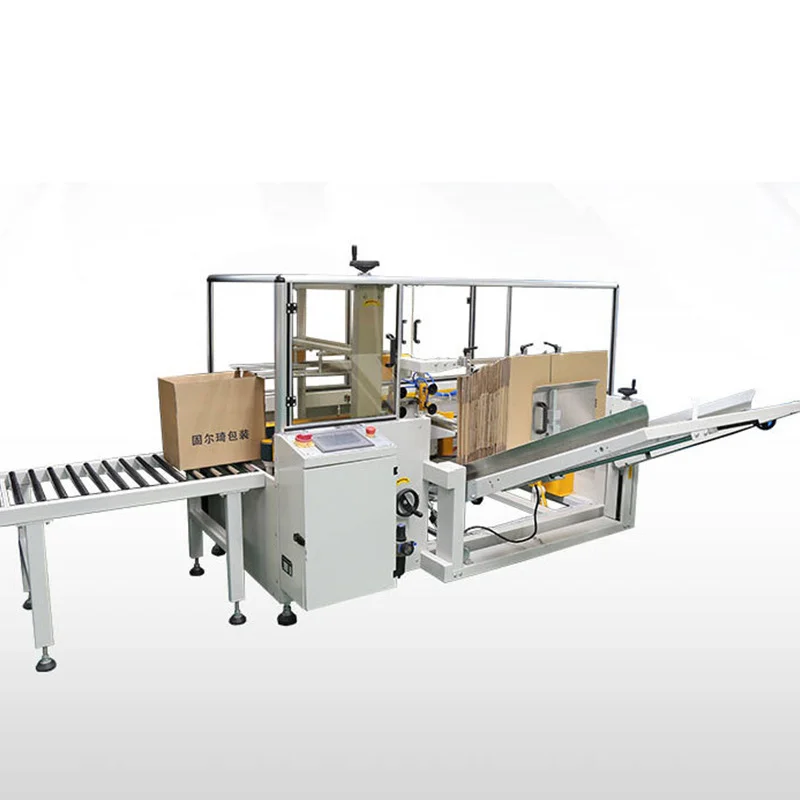
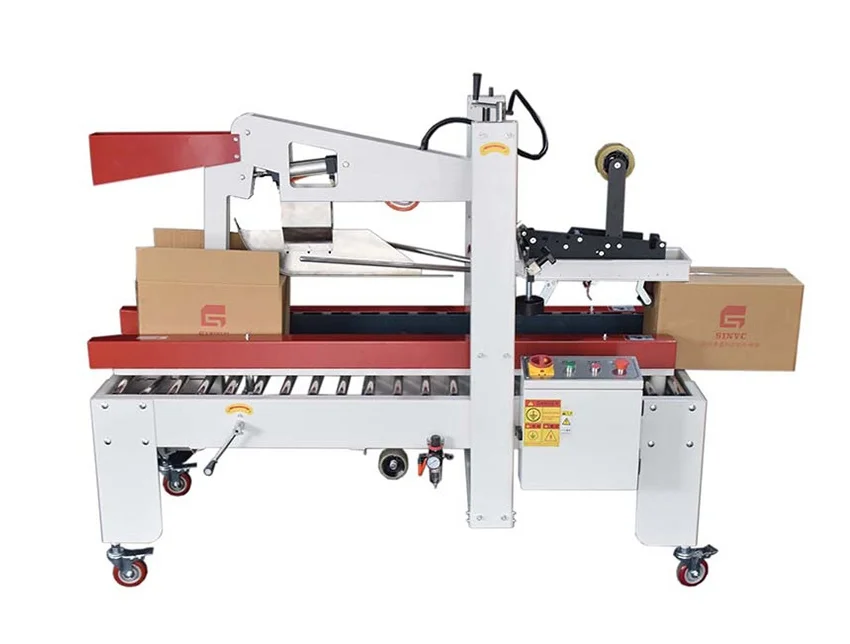
| Carton packaging machine | 5,000 to 15,000 | 25,000 to 80,000 | 30 to 120 cartons/min |
| Wrapping machine | 10,000 to 25,000 | 30,000 to 100,000 | 40 to 200 packs/min |
| Paper box packaging machine | 15,000 to 30,000 | 30,000 to 60,000 | 20 to 60 boxes/min |
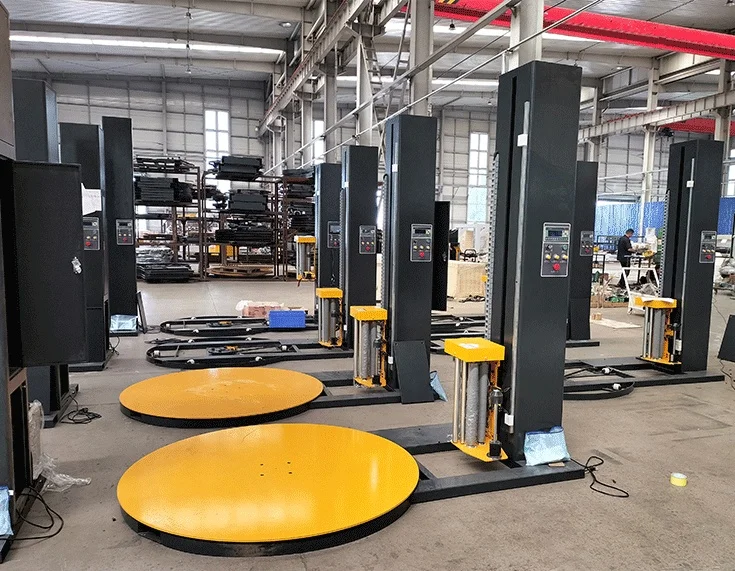
| Palletizing machine | 40,000 to 80,000 | 80,000 to 150,000+ | 4 to 20 cases/min |
When planning a complete line, machine compatibility is just as important as individual prices. The equipment with the lowest production speed determines the maximum output of the entire system. For instance, investing in a high-speed filling machine provides little benefit if the carton packaging machine cannot keep up with it.
What does an entry-level packaging machine cost?
An entry-level semi-automatic packaging machine costs about USD 3,000 to 8,000. For help choosing a first machine, see our guide to the best packaging machines for small business.
What Affects the Price of a Packaging Machine?
Six major factors influence packaging machine prices: automation level, production speed, construction materials, control systems, format flexibility and certification requirements. Understanding these differences makes it easier to evaluate quotations for similar types of equipment.
1. Automation level
Automation is usually the largest factor affecting equipment cost. A fully automatic machine may cost several times more than a semi-automatic model because it requires additional components such as servo drives, sensors and automatic product-feeding mechanisms.
2. Production speed
Machines designed for higher output need more robust frames and faster motion-control systems. Although doubling production speed does not necessarily double the purchase price, higher-speed equipment generally costs more.
3. Construction materials
For most food packaging and general industrial applications, 304 stainless steel is a suitable option. Applications involving corrosive substances or pharmaceutical products may require 316 stainless steel, which increases manufacturing costs.
4. Control systems
Machines equipped with branded PLCs and touchscreens from manufacturers such as Siemens or Mitsubishi usually carry a higher price than those using generic controllers. However, branded components are often easier to source through local suppliers when replacement parts are needed.
5. Packaging format range
Equipment designed to process several carton dimensions or bundle sizes requires more adjustable guides and interchangeable components. This added flexibility also contributes to the price.
6. Certification requirements
CE marking and the necessary export documentation can increase the overall equipment cost. These requirements must be considered when selling machinery into the European Union.
To make a meaningful price comparison, request quotations based on identical specifications for all six factors. Otherwise, the differences between offers may reflect different machine capabilities rather than actual price competitiveness.
What Hidden Costs Come With a Packaging Machine?
Expenses beyond the original purchase price can add approximately 20 to 30% to the total first-year cost of a packaging machine. These commonly include transportation, installation, additional tooling, spare parts and utilities. For equipment priced at USD 25,000, businesses should allow roughly USD 5,000 to 8,000 for these extra costs.
| Cost | What It Covers | Typical Amount (USD) |
|---|---|---|
| Freight and customs | Sea freight, insurance, import duty, port fees | 2,000 to 3,000 per machine |
| Installation | Engineer visit, site setup, commissioning | 1,000 to 1,500 |
| Change parts | Guides and tooling for each extra pack size | 500 to 1,000 per size |
| Spare parts and maintenance | Seals, belts, heating elements, sensors | 600 to 1,100 per year |
| Utilities | Power, compressed air, cooling | 800 to 1,000 per year |
| Training | Operator and maintenance training | Often included |
| Material trials | Film, cartons and product used in testing | Varies by product |
Before placing an order, request a written breakdown of the spare parts and change parts supplied with the machine. These items are frequently excluded from lower-priced quotations, potentially leading to unexpected expenses later.
How Long Does a Packaging Machine Take to Pay for Itself?
A packaging machine that reduces staffing requirements by two workers can often recover its purchase cost in less than 12 months. In the example below, an automatic shrink wrap machine achieves payback in approximately seven months. Businesses can use the same method with their own labor expenses and operating costs.
| Input | Example Value |
|---|---|
| Machine price, installed | USD 25,000 |
| Workers on manual wrapping today | 3 |
| Workers needed with the machine | 1 |
| Monthly cost per worker | USD 2,000 |
| Monthly running cost (power, film, spares) | USD 400 |
The calculation:
Payback (months) = Installed machine price ÷ (Monthly labor saved − Monthly running cost)
Replacing two workers produces monthly labor savings of USD 4,000. After deducting USD 400 for machine operation, the net monthly savings amount to USD 3,600.
Dividing the installed machine cost of USD 25,000 by USD 3,600 gives a payback period of approximately seven months.
Why Compare 5-Year Cost Instead of Purchase Price?
Comparing the total cost of ownership over five years gives a better picture of the actual financial commitment than looking at purchase prices alone. Maintenance expenses, replacement components and production losses caused by downtime can make an initially cheaper machine more expensive in the long run.
The following example compares two machines with different purchase and operating costs. Although Machine A has a higher initial price, its overall five-year cost is lower.
| Cost Over 5 Years (USD) | Machine A | Machine B |
|---|---|---|
| Purchase price | 30,000 | 24,000 |
| Freight and installation | 3,500 | 3,500 |
| Change parts | 1,000 | 2,000 |
| Maintenance and spares | 3,000 | 6,000 |
| Utilities | 4,000 | 5,000 |
| Downtime losses | 2,000 | 6,000 |
| Total | 43,500 | 46,500 |
When comparing potential suppliers, ask about replacement-part pricing and estimated equipment downtime. These figures can then be used to prepare a similar five-year cost comparison for the machines you are considering.
Should You Buy a New or Used Packaging Machine, From China or Europe?
For many businesses, purchasing a new packaging machine directly from a Chinese factory offers the most competitive price for the required specifications. European manufacturers generally offer better access to nearby technical support, although their machines are typically more expensive.
Service availability is an important consideration, especially when equipment is purchased from an overseas manufacturer. Buyers should assess local maintenance support alongside the quoted machine price.
| Option | Price Level | Main Advantage | Main Risk |
|---|---|---|---|
| New, China factory direct | Lowest for new | Custom build, full warranty | Service is remote unless there is a local partner |
| New, Europe | Highest | Local service, strong resale value | Long lead times |
| Used | Lowest upfront | Fast delivery | No warranty, parts may be obsolete |
Buying used equipment can be worthwhile when the machine matches your exact packaging format and replacement parts remain available. Otherwise, unexpected repairs and obsolete components may eliminate the savings made on the purchase.
When purchasing a new machine from an overseas supplier, request a factory acceptance test video showing your own product running on the equipment. You should also obtain the relevant CE documentation and a complete written list of spare parts.
You can also learn more about our company before choosing a manufacturing partner.
What Do You Need for an Accurate Packaging Machine Quote?
To receive an accurate packaging machine quotation, provide the manufacturer with the following five details:
- Product information: Explain what you manufacture and how the product is currently packaged, such as in bottles, pouches or trays.
- Packaging dimensions: Share the sizes and weights of your existing packs, along with any additional formats you intend to introduce.
- Required output: Specify your production target in packs per minute or per shift.
- Facility specifications: Provide details of your available electrical supply and production floor space.
- Delivery destination: Identify the destination country so the supplier can account for shipping and certification requirements.
Once these details are ready, you can request a quotation or explore the equipment available at Filling Machine Manufacturer to find a suitable machine.
Packaging Machine Price: Frequently Asked Questions
What Is the Cheapest Packaging Machine?
A semi-automatic L-bar shrink sealer is generally one of the lowest-cost packaging machines, with starting prices around USD 2,000. It is particularly suitable for smaller production volumes where an operator manually loads each package.
How Much Does an Automatic Packaging Machine Cost?
Most fully automatic packaging machines are priced between USD 20,000 and 80,000. More advanced systems, including robotic palletizers and complete production lines, require a higher investment.
Is a Packaging Machine Worth It for a Small Business?
Yes, especially when manual packaging requires two or more full-time workers. Under these conditions, the reduction in labor costs can often allow a packaging machine to pay for itself within a year.
How Long Does a Packaging Machine Last?
With proper servicing and routine maintenance, a packaging machine can typically operate for 10 to 15 years. Components exposed to regular wear, including belts, seals and heating elements, will need replacement more frequently.
Should I Buy a Used Packaging Machine?
A used packaging machine can be a reasonable purchase if it supports your exact packaging format and replacement components are still available. If these conditions are not met, ongoing repairs may cost more than the money saved on the initial purchase.