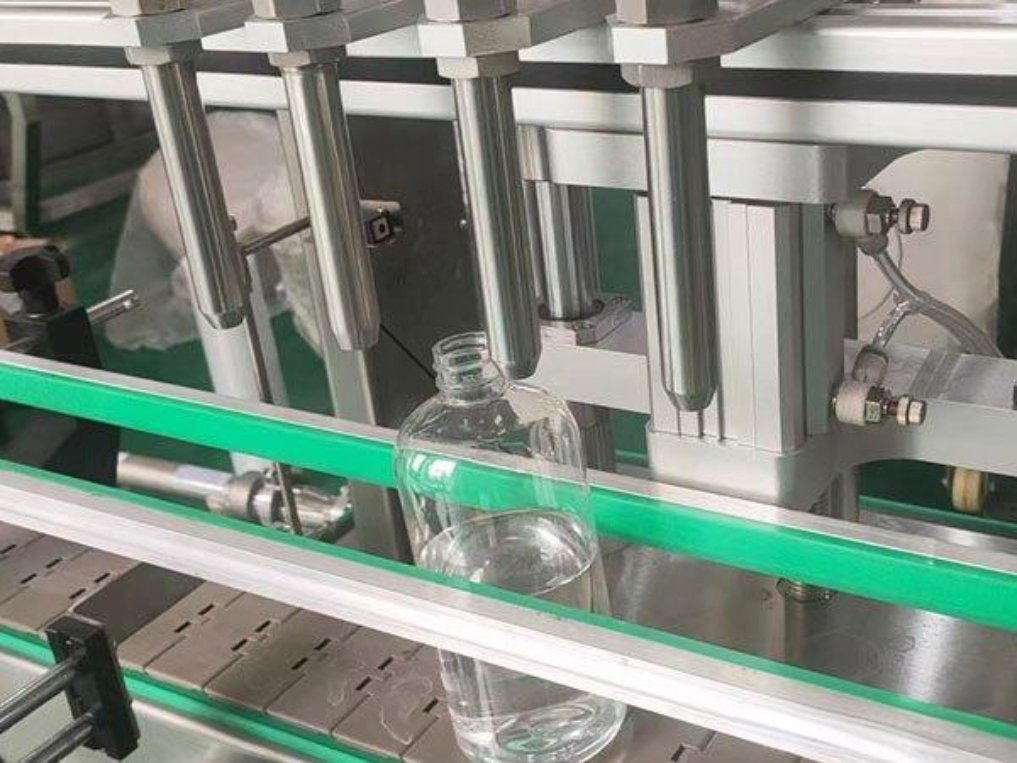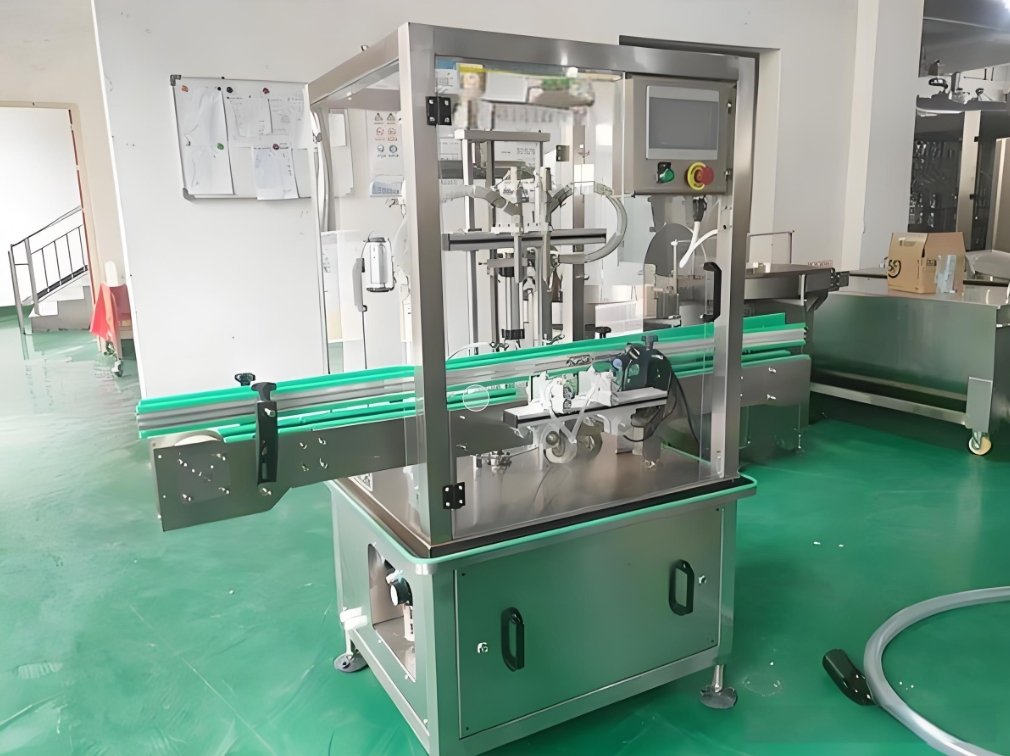
If you are planning to buy a filling machine from China, you are making a decision that thousands of manufacturers, bottlers, and contract packers around the world make every year. And most of them get it right. But not all of them.
The ones who run into problems usually made their mistakes before the machine was even built. They skipped due diligence. They compared prices without comparing specifications. They didn’t ask the right questions at the right stage of the process.
This guide is for the buyers who want to get it right the first time. Below is a complete, practical checklist covering every decision point between “we need a filling machine” and “the machine is running on our production floor.” No filler content. No generic advice. Just the specific things you need to verify, compare, and confirm before you commit.
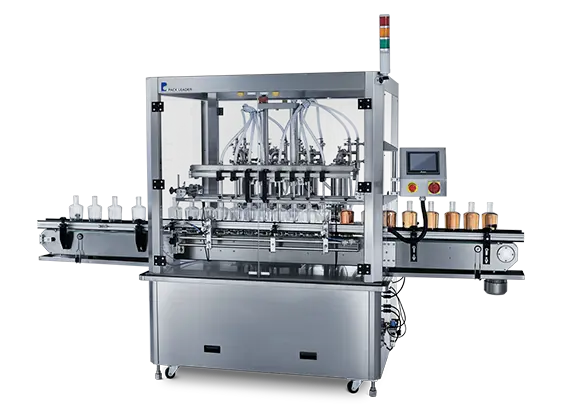
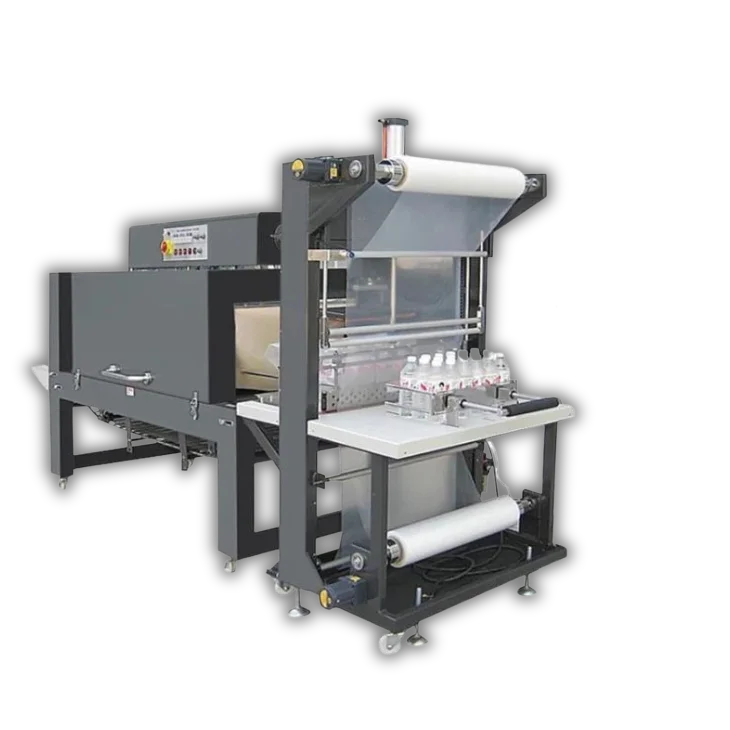
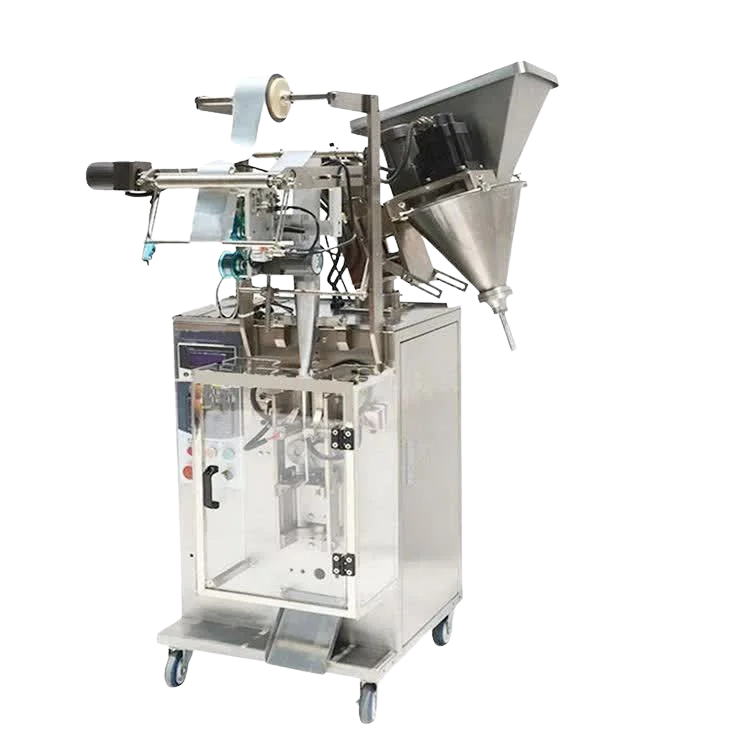
Why China Remains the Default Source for Filling Equipment
Before the checklist, a quick note on why China dominates this market, because understanding the supply landscape helps you negotiate better.
China accounts for a significant share of global packaging machinery exports, and the concentration of suppliers in regions like Guangdong, Zhejiang, and Jiangsu has created an ecosystem where component costs stay low and customization turnaround stays fast. Manufacturers like Foshan Popper Machinery operate their own factories with in-house engineering teams, which means modifications that would take weeks elsewhere can often be completed in days.
That said, a lower price point means nothing if the machine doesn’t perform. The real advantage of sourcing from China is the combination of cost efficiency, customization flexibility, and production scale, but only when you choose the right supplier. That’s what this checklist is designed to help you do.
The 12-Point Filling Machine Buying Checklist
1. Define Your Machine Type Before You Contact Any Supplier
This sounds obvious, but a surprising number of buyers reach out to suppliers with a vague request like “I need a filling machine” without specifying what they are filling, into what container, at what speed, or to what accuracy.
Start here. Before you send a single inquiry, write down answers to these questions:
What is the product? Liquid, powder, granule, paste, or viscous material? The filling mechanism is entirely different for each. A liquid filling machine uses gravity, piston, or pump-based systems. A powder filling machine uses auger or volumetric dosing. Choosing the wrong category means the machine will never perform properly.
What is the container? Bottles, cans, tubes, pouches, jars, capsules? Each container type requires different handling, feeding, and sealing systems.
What is the fill volume range? 5ml vials and 20-liter drums don’t run on the same machine. Specify your minimum and maximum fill volumes upfront.
Pro tip: If your product line includes multiple container sizes or product types, tell the supplier. A good manufacturer will recommend a machine with quick-changeover capability rather than selling you two separate systems.
2. Set Realistic Production Capacity Targets
Production speed is one of the most misunderstood specifications in filling equipment sourcing. A machine rated at 6,000 bottles per hour in a factory test environment will not produce 6,000 bottles per hour on your floor, every hour, with your product.
Here’s a better way to calculate what you actually need:
Take your daily production target. Divide by the number of operating hours. Add a 15-20% buffer for changeovers, cleaning, and minor stoppages. That gives you a realistic bottles-per-hour requirement.
Then, check whether the supplier’s stated speed is based on water (which flows easily) or on a product with similar viscosity to yours. This matters. A machine rated at 4,000 bottles per hour filling water might only achieve 2,500 bottles per hour filling honey.
Ask for speed ratings using your actual product characteristics, not water-based benchmarks.
3. Verify Material Compatibility
The product you’re filling will be in direct contact with the machine’s nozzles, tanks, hoses, valves, and seals. If those contact surfaces aren’t compatible with your product, you’ll deal with corrosion, contamination, or premature wear.
What to check:
Stainless steel grade matters. 304 stainless is standard for food and beverage. 316L stainless is necessary for aggressive chemicals, some pharmaceuticals, and highly acidic products.
Seal and gasket materials need to resist your product’s chemical composition and operating temperature. Silicone seals are common for food applications, but PTFE or Viton may be required for solvents or high-temperature products.
If your product is corrosive, abrasive, or requires hot filling, communicate this in your very first message to the supplier. These details directly affect machine design and pricing.
4. Choose the Right Automation Level
Not every operation needs a fully automatic line. And not every budget can support one. There are three tiers:
Semi-automatic: An operator positions containers and initiates each fill cycle. Best for low-volume production, startups, or products that require manual quality checks between fills. Lower investment, higher labor cost per unit.
Automatic: Containers are fed, filled, and discharged automatically. Typically integrated with capping and labeling machines. Suitable for mid to high-volume production. This is where most B2B buyers end up.
Fully integrated line: Filling, capping, labeling, packaging, and sometimes palletizing all connected on a single conveyor system. For manufacturers producing at scale who need minimal manual intervention.
A manufacturer like Foshan Popper Machinery offers all three tiers, along with downstream equipment like capping machines and labeling machines that can integrate into a single line. Sourcing the full line from one supplier simplifies integration and reduces finger-pointing if something goes wrong.
5. Evaluate Customization Capability : Don’t Just Accept Standard Models
This is where many buyers from Europe, the Middle East, and Southeast Asia gain the most value from Chinese suppliers. The customization flexibility in China is genuinely higher than in most other manufacturing regions for this equipment category.
But “customization” isn’t a yes-or-no question. You need to get specific:
Can the supplier modify fill nozzle configurations for your product’s viscosity? Can they adjust conveyor heights and speeds for your container dimensions? Can they build in CIP (clean-in-place) systems if your industry requires them? Will they modify the control panel language to match your operators’ language? Can they integrate with equipment you already have on your floor?
Ask for examples of past customization work. Request photos or videos of similar machines they’ve built for other clients. A supplier that has actually done custom work will have documentation. One that hasn’t will give you vague assurances.
6. Confirm Certifications and Compliance
Certifications are not optional. They are a fundamental filter for separating serious manufacturers from assemblers reselling components.
At minimum, verify:
CE marking required if you are importing into the European Economic Area. Even if you’re not importing to Europe, CE compliance signals a baseline level of electrical safety and machine safety design.
ISO 9001 confirms a documented quality management system is in place. This doesn’t guarantee the machine is good, but it means the manufacturer has traceable processes.
Industry-specific compliance FDA guidelines for food-contact equipment if you’re in the United States, GMP standards for pharmaceutical applications, and ATEX ratings if your product is flammable or explosive.
Don’t accept certificates at face value. Cross-check certificate numbers. Ask for the name of the issuing body. If a supplier claims CE compliance but can’t provide the Declaration of Conformity document, that’s a serious red flag.
7. Assess Supplier Credibility Beyond the Website
A professional website doesn’t prove anything on its own. Here’s how to go deeper:
Ask for references. Any established supplier should be able to connect you with previous buyers in your region or industry. If they can’t, ask why.
Check their export history. Ask which countries they’ve shipped to. A manufacturer serving clients in 20+ countries, like Foshan Popper Machinery, has worked through the logistics, documentation, and compliance requirements that first-time exporters often struggle with.
Verify they are a manufacturer, not a trader. This is critical. Traders add a margin without adding engineering capability. Ask for factory photos. Ask for the factory address and look it up on maps. Better yet, request a video call where they walk you through the production floor.
Look for industry participation. Do they attend trade exhibitions like Canton Fair or ProPak China? Exhibition participation signals investment in long-term market presence.
8. Plan a Factory Inspection (Or Use a Third Party)
If your order value exceeds $15,000, a factory visit is worth the investment. If travel isn’t feasible, hire a third-party inspection agency to visit the factory on your behalf. Companies like SGS, Bureau Veritas, and TÜV operate throughout China and can conduct pre-production, during-production, and pre-shipment inspections.
During a factory visit or inspection, verify:
Does the factory actually manufacture the machines, or do they assemble components from other suppliers? What testing equipment do they use? Are machines run under production conditions before shipment? How many workers and engineers are on site? What does the spare parts inventory look like?
A factory that runs each machine through a full test cycle with the client’s actual product (or a similar-viscosity substitute) before shipping is demonstrating a commitment to delivery quality that significantly reduces your risk.
9. Analyze Pricing Against Total Value : Not Just Unit Cost
The cheapest quote is almost never the best deal. Here’s how to make a fair comparison:
Get quotes from at least three suppliers using identical specifications. Then compare apples to apples across these categories:
Base machine price the machine itself, with the specified configuration.
Included accessories spare parts kit, tools, filling nozzles, molds. Some suppliers include these; others charge extra.
Control system brand Siemens PLC costs more than a generic Chinese PLC but offers better reliability and global service support.
Warranty terms one year on the whole machine, or one year on electrical and three years on the frame? Get specifics.
Payment terms standard in China is 30% deposit, 70% before shipment. Be cautious of any supplier asking for 100% upfront.
A well-built automatic filling machine at the right price point will cost less over five years than a cheap machine that breaks down every quarter.
10. Understand Lead Times, Incoterms, and Shipping Logistics
Manufacturing a custom filling machine takes time. Standard lead times from Chinese suppliers range from 30 to 60 days for semi-automatic machines and 45 to 90 days for fully automatic lines. Complex integrated systems may take longer.
When discussing shipping, clarify the Incoterms:
FOB (Free on Board) the supplier handles everything to the port. You arrange and pay for sea freight and import customs. This is the most common arrangement and gives you control over shipping costs.
CIF (Cost, Insurance, Freight) the supplier arranges shipping to your destination port. Convenient, but you lose some cost visibility.
DDP (Delivered Duty Paid) the supplier handles everything door-to-door, including import duties. Less common for industrial equipment but available from experienced exporters.
Also confirm packaging standards. Heavy machinery needs proper crating (not just shrink wrap on a pallet) to survive ocean freight without damage. Ask how the machine will be packed and whether the crate fits inside a standard 20-foot or 40-foot container.
11. Confirm Installation, Training, and Commissioning Support
Getting the machine to your factory is only half the job. Installation and commissioning determine whether it actually runs properly.
Ask these questions before you sign anything:
Does the supplier send engineers for installation? If yes, who covers travel and accommodation costs? If no, do they provide detailed installation guides and remote video support?
Is operator training included? How many days? In what language? Some Chinese manufacturers provide training videos and translated manuals. Others rely entirely on in-person instruction.
Who handles commissioning? Commissioning means running the machine at your facility, with your product, at your target speed, and confirming it meets specification. This is where problems get caught early. A supplier that includes commissioning support is reducing your risk significantly.
12. Lock Down After-Sales Support and Spare Parts Access
This is the checklist item that separates good purchases from regretful ones. Two years from now, when a seal wears out or a sensor fails, how quickly can you get a replacement?
What to confirm:
Does the supplier stock spare parts? What is the typical shipping time for parts to your country? Is there a dedicated after-sales contact, or does support go through the sales team? Do they offer remote troubleshooting via video call? What is the warranty claim process — do you need to ship the part back to China, or will they send a replacement first?
Companies like Foshan Popper Machinery include spare-parts kits with each machine and offer ongoing technical support including 24/7 remote assistance, which is a meaningful differentiator when you’re 8,000 kilometers from the factory.
Common Mistakes Buyers Make When Sourcing from China
After working through the checklist, here are the errors that still catch experienced buyers off guard:
Comparing prices across different specs. Supplier A quotes $18,000 for a 4-head liquid filler with Siemens PLC. Supplier B quotes $12,000 for what sounds like the same machine but uses a 2-head configuration with a generic controller. These are not comparable quotes. Standardize specifications before comparing numbers.
Ignoring total cost of ownership. A machine priced 20% below the next option that requires double the maintenance, proprietary replacement parts, or frequent recalibration will cost you more over three years than the “expensive” one.
Skipping video calls. Email is efficient, but a 30-minute video call where the supplier walks you through their factory, shows you a similar machine running, and answers questions in real time tells you more about their capability than a hundred emails.
Treating certification as a checkbox. A PDF certificate attached to an email isn’t verification. Cross-reference the certificate with the issuing body’s public database. If the certificate number doesn’t check out, walk away.
Not confirming voltage and power standards. China runs on 220V/50Hz. If your factory uses 380V/60Hz or any other configuration, this must be specified before manufacturing begins. Retrofitting electrical systems after delivery is expensive and voids warranties.
Pro Tips Before You Make the Final Decision
Request a video of the machine running. Not a stock marketing video — a video of the specific machine (or a comparable unit) filling a product similar to yours. Real factory footage reveals machine speed, noise level, and product handling quality that spec sheets can’t convey.
Send your product samples. Serious Chinese manufacturers will offer to run your product through their equipment before you commit. This trial run identifies filling problems (foaming, dripping, inconsistent dosing) before they become your problems.
Get the maintenance schedule in writing. Know exactly what daily, weekly, and monthly maintenance tasks are required. Factor the cost of maintenance labor and consumables into your total cost calculation.
Visit an international packaging exhibition. Shows like interpack in Germany or ProPak Asia in Thailand bring Chinese manufacturers to you. Meeting suppliers face-to-face, seeing machines in operation, and comparing multiple options in one location is the most efficient due diligence you can do.
Start with one machine. If this is your first time buying from a specific supplier, order one machine first. Test it under your production conditions for 60 to 90 days. If it performs, place the larger order for the rest of your line. The incremental shipping cost is negligible compared to the risk reduction.
Ready to Source Your Filling Machine?
If you’ve worked through every point on this checklist, you’re in a strong position to make a confident buying decision. You know what machine you need, what questions to ask, what credentials to verify, and what red flags to avoid.
The next step is straightforward: take your completed specifications and contact a manufacturer who can match them.
Foshan Popper Machinery Co., Ltd. is a filling machine manufacturer based in Foshan, Guangdong, China, with ISO-certified production, 500+ machines deployed in over 20 countries, and a full product line covering liquid, powder, and granule filling systems alongside capping, labeling, and packaging machines.
Request a quote with your product details, container specifications, and production targets. Their engineering team will provide a detailed recommendation and pricing within 48 hours.