Bottling is one of the most critical stages in wine production. After fermentation, aging, and quality control, wine must be transferred into bottles safely and efficiently while maintaining flavor, aroma, and shelf life. A wine bottling machine is designed to automate this process and ensure consistent, hygienic, and accurate filling.
Modern wineries rely on bottling machines to reduce labor, improve production speed, and maintain consistent product quality. Whether you run a small winery or a large commercial production facility, understanding how these machines work and how to choose the right one is essential.
This guide explains everything you need to know about wine bottling machines, including their types, components, working process, and how to choose the best system for your production needs.
Overview of Wine Bottling Machines
A wine bottling machine is a system used to transfer wine from storage tanks into bottles and prepare those bottles for distribution. In many wineries, the bottling machine is part of a complete wine bottling line that performs multiple tasks automatically.
These systems are designed to:
Fill bottles accurately
Reduce oxygen exposure
Maintain hygiene and food safety
Increase production efficiency
Minimize product loss
Ensure consistent bottle levels
Depending on the level of automation, wine bottling machines can handle anywhere from a few hundred to tens of thousands of bottles per hour.
Most modern systems are built with food-grade stainless steel and use precise control mechanisms to protect the quality of the wine during the bottling process.
Types of Wine Bottling Machines
There are several types of wine bottling machines used in the wine industry. The best option depends on production size, automation level, and budget.
1. Automatic Wine Bottling Machines
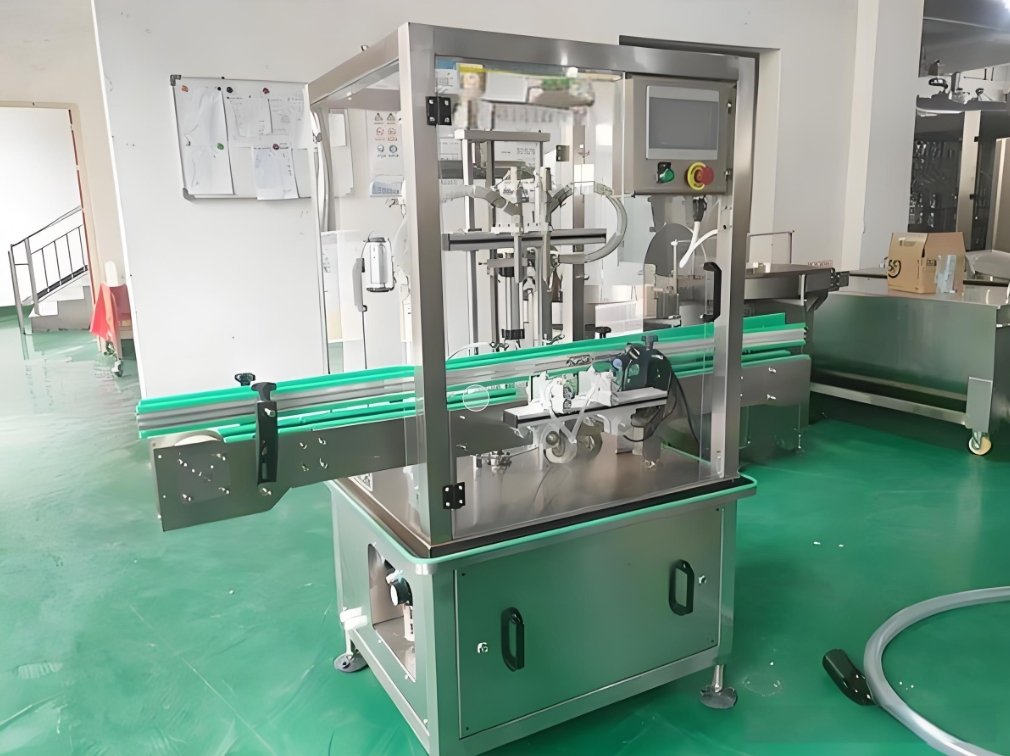
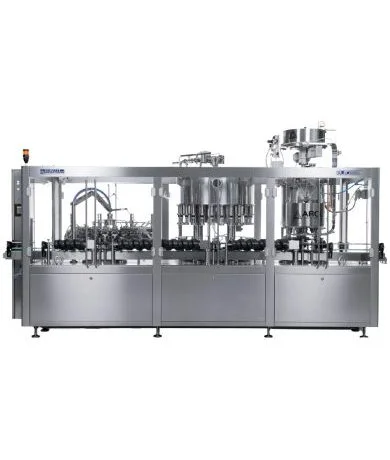
Automatic wine bottling machines are designed for large-scale wine production. These machines require minimal human involvement because the entire bottling process is automated.
Key features:
Conveyor-based bottle movement
Multiple automatic filling heads
Automated corking and labeling
PLC control systems
High-speed production
Production capacity:
Often ranges from 2,000 to 12,000+ bottles per hour.
Best for:
Commercial wineries
Export-focused wine producers
High production facilities
Advantages:
High efficiency
Consistent quality
Reduced labor costs
Scalable production
Limitations:
Higher investment cost
Requires more space
Technical maintenance required
2. Semi-Automatic Wine Bottling Machines
Semi-automatic machines are commonly used by small or growing wineries. Operators place and remove bottles manually, while the machine handles the filling process.
Key features:
Manual bottle placement
Controlled filling system
Lower cost
Compact size
Production capacity:
Typically 300 to 1,500 bottles per hour.
Best for:
Boutique wineries
Startups
Small-batch production
Advantages:
Affordable investment
Easy to operate
Flexible for different bottle sizes
Requires less installation space
Limitations:
Slower production
Higher labor involvement
Limited scalability
3. Gravity Wine Filling Machines
Gravity filling machines use gravity to fill bottles naturally. These are often used for still wines and liquids with low viscosity.
Benefits:
Gentle filling process
Reduced foaming
Suitable for delicate wines
4. Vacuum Wine Filling Machines
Vacuum filling machines are designed to reduce oxygen exposure during the filling process. This is important because oxygen can affect the flavor and shelf life of wine.
Benefits:
Improved product quality
Precise fill levels
Reduced oxidation risk
Many modern wine bottling systems use vacuum technology for premium wines.
Components of a Wine Bottling Line
A wine bottling line is made up of several machines that work together in a specific sequence to ensure efficiency, hygiene, and consistent product quality. Each component has a vital role, from cleaning bottles to packaging finished products. Understanding these parts helps wineries optimize workflow, reduce waste, and maintain high standards of wine production.
Bottle Rinsing Machine
The bottle rinsing machine prepares bottles before filling by removing dust, dirt, or any contaminants. It typically uses sterile water, air jets, or a combination of both to achieve thorough cleaning. Clean bottles are essential for preventing contamination, protecting wine flavor, and ensuring proper sealing later in the process. Advanced rinsers may also detect defective bottles and remove them automatically, maintaining smooth production.
Filling Machine
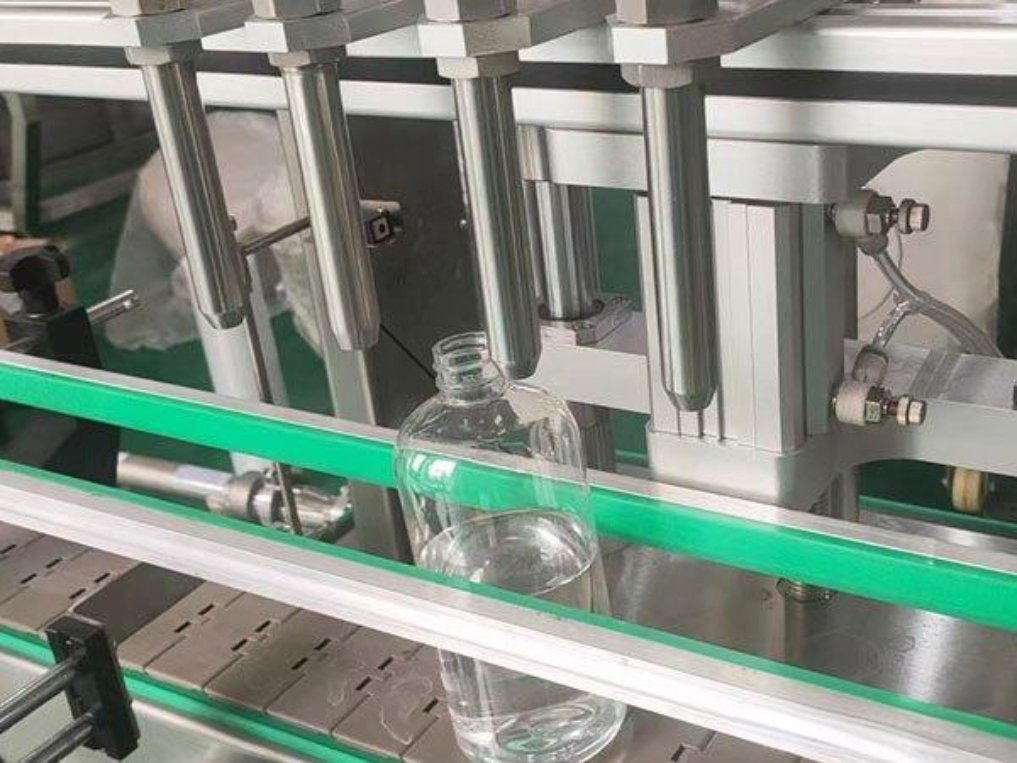
The filling machine is the core of the bottling line, transferring wine from storage tanks into bottles. It can use gravity filling for delicate wines or vacuum filling to reduce oxygen exposure and preserve quality. Filling machines ensure precise bottle levels, reduce product loss, and minimize foaming. Modern systems can adjust for different bottle sizes, include multiple filling heads, and operate at high speeds for large-scale production.
Corking or Capping Machine
After filling, bottles are sealed with corks or screw caps to preserve wine integrity. Proper sealing prevents leaks, reduces oxidation, and extends shelf life. Some machines can also apply wax or protective capsules over corks for premium wines. Automatic corking machines save time, reduce labor, and ensure consistent sealing compared to manual methods.
Labeling Machine
Labeling machines automatically apply front, back, and neck labels to bottles with precision. Accurate labeling ensures professional presentation, strengthens brand identity, and complies with packaging regulations. Advanced systems may include sensors or cameras to verify label placement, detect errors, and adjust speed for continuous production. This reduces manual labor and enhances overall efficiency.
Conveyor System
Conveyors transport bottles between all stages of the bottling line, from rinsing to filling, sealing, and labeling. They maintain smooth production flow, reduce manual handling, and lower the risk of bottle breakage. Modern conveyors may include sensors to detect defective bottles or route products to different lines, supporting automated operations and high-speed production.
Inspection System
Many advanced bottling lines include inspection systems that check:
Fill levels
Bottle alignment
Seal quality
Label placement
Automatic vs Semi-Automatic Bottling Machines
Choosing between automatic and semi-automatic machines depends mainly on production volume, labor availability, and budget.
| Feature | Semi-Automatic Wine Bottling Machine | Automatic Wine Bottling Machine |
|---|---|---|
| Production speed | Lower | High-speed production |
| Labor requirement | High | Minimal |
| Initial investment | Lower | Higher |
| Scalability | Limited | Highly scalable |
| Space required | Compact | Larger facility required |
| Efficiency | Moderate | Very high |
| Best for | Small wineries | Large wineries |
If your production is growing rapidly, investing in an automatic bottling machine can significantly improve operational efficiency.
How Wine Bottling Machines Work
Wine bottling machines follow a structured process designed to protect wine quality and ensure consistent packaging.
Step 1: Bottle Preparation
Empty bottles enter the system and are cleaned in the rinsing unit.
Step 2: Bottle Positioning
Bottles move along a conveyor and align under the filling heads.
Step 3: Filling Process
The machine fills each bottle with a precise amount of wine using gravity or vacuum filling technology.
Step 4: Bottle Sealing
After filling, bottles move to the corking or capping station where they are sealed.
Step 5: Labeling
Labels are applied automatically to identify the wine brand and product details.
Step 6: Final Inspection
The system checks bottles for defects before packaging and shipping.
This automated workflow ensures speed, accuracy, and product consistency.
Buying Guide: How to Choose the Right Wine Bottling Machine
Selecting the right bottling equipment is an important investment for any winery. Several factors should be evaluated before purchasing.
1. Production Capacity
Estimate how many bottles you produce per hour or per year. This determines whether you need a semi-automatic or fully automatic system.
2. Winery Size and Growth Plans
If your winery plans to expand production, it is better to invest in equipment that can scale with demand.
3. Budget and ROI
While automatic machines require higher upfront investment, they often reduce long-term operating costs and improve efficiency.
4. Bottle Types and Sizes
Ensure the machine supports different bottle shapes and sizes if your winery offers multiple products.
5. Space Availability
Automatic bottling lines require larger installation space and proper facility layout.
6. Maintenance and Support
Choose a manufacturer that offers:
Technical support
Spare parts availability
Installation assistance
Operator training
7. Wine Quality Protection
Look for machines that minimize:
Oxygen exposure
Product loss
Foaming
Contamination
High-quality bottling machines help maintain the integrity of the wine throughout the packaging process.
Common Mistakes When Buying a Wine Bottling Machine
Many wineries make purchasing decisions based only on price, which can lead to long-term problems.
Common mistakes include:
Ignoring future production growth
Choosing equipment without proper research
Underestimating installation space
Not considering maintenance requirements
Buying machines without technical support
Avoiding these mistakes can save significant costs and operational challenges.
Conclusion
A wine bottling machine plays a crucial role in modern wine production. It ensures efficiency, consistency, and product quality while reducing labor and production time.
Understanding the different types of wine bottling machines, their components, and how they operate can help wineries make informed decisions. Whether you choose a semi-automatic system for small-scale production or a fully automated bottling line for large operations, selecting the right equipment can significantly impact long-term success.
By carefully evaluating production capacity, budget, facility space, and future growth plans, wineries can invest in a bottling solution that supports both quality and profitability.
FAQs About Wine Bottling Machines
1. What is the difference between automatic and semi-automatic machines?
Automatic machines are fully automated and faster, while semi-automatic require manual bottle handling.
2. Can wine bottling machines handle different bottle sizes?
Yes, most machines are adjustable for various bottle shapes and sizes.
3. Why use vacuum filling for premium wines?
It reduces oxygen exposure, preserving flavor and shelf life.
4. How do I choose the right machine for my winery?
Consider production volume, budget, space, and growth plans.
5. How often do these machines need maintenance?
Regular cleaning and periodic servicing keep them running efficiently.