
Introduction Food Packaging Machine
In today’s fast-paced food industry, efficiency and sustainability go hand in hand. A food packaging machine plays a critical role in helping manufacturers package their products quickly, consistently, and safely. As a result, businesses reduce operational costs while ensuring their products remain fresh and appealing to consumers.
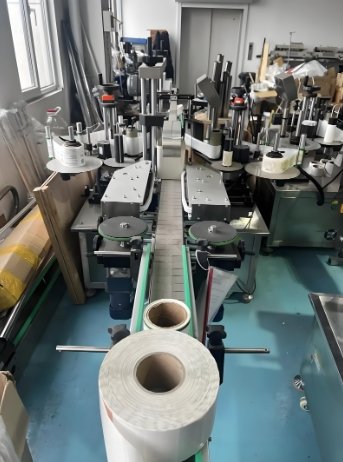
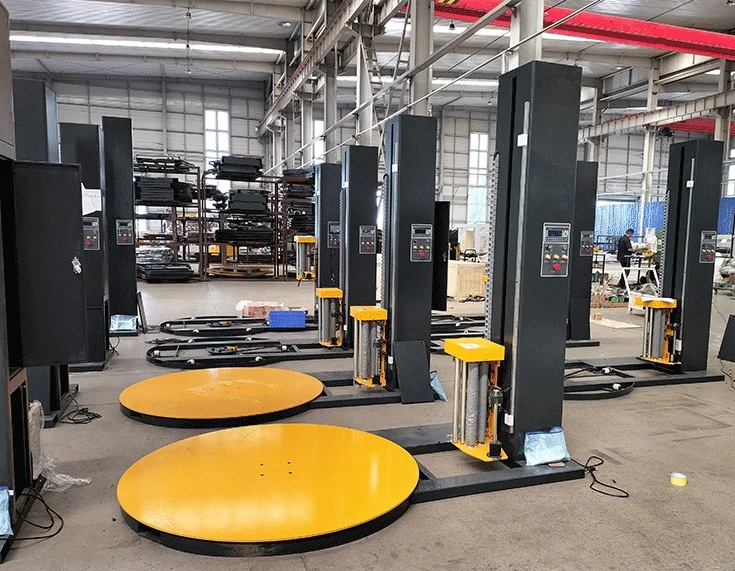
Modern packaging systems are more than just tools for sealing products they are smart automation solutions that enhance accuracy, lower waste, and streamline every step of the production process. Many factories now integrate these machines with carton packaging machines, wrapping packaging machines, and palletizing packaging machines to create a complete and efficient packaging line.
1. Boosting Production Efficiency
Automation Speeds Up Operations
Manual packaging takes time and often leads to inconsistent results. In contrast, an automatic food packaging machine can handle hundreds or even thousands of packs per hour with perfect accuracy. Therefore, it helps manufacturers meet growing demands without increasing labor costs.
Consistent Quality and Accuracy
Modern industrial packaging systems use sensors, conveyors, and precision controls to ensure each product is packaged with the exact amount of material. Consequently, businesses maintain consistency in weight, shape, and sealing quality, which directly improves brand reputation.
Reduced Human Error
Automation minimizes mistakes such as improper sealing, uneven fills, or misaligned labels. Moreover, with programmable logic control (PLC) systems, operators can easily monitor and adjust settings for different product types.
2. Reducing Packaging Waste
Smart Material Usage
Older packaging methods often used excessive film or cartons, leading to unnecessary waste. However, a food packing equipment setup uses only the required amount of material per product. This not only saves money but also supports sustainability efforts.
Precision Filling Reduces Product Loss
Whether packaging snacks, grains, or liquids, precision filling ensures minimal product spillage. As a result, less food is wasted during the production process, contributing to overall cost efficiency.
Recyclable and Eco-Friendly Options
Modern packaging machinery supports eco-friendly packaging solutions such as biodegradable films and recyclable materials. In addition, many manufacturers are adopting sustainable practices that align with environmental goals and reduce carbon footprints.

3. Maintaining Product Freshness and Safety
Advanced Sealing Technology
Maintaining product freshness is vital in the food industry. A food packaging machine uses heat or vacuum sealing to create airtight packages that extend shelf life and prevent contamination.
Hygiene and Compliance
Food safety standards require clean and controlled packaging environments. For instance, machines made from stainless steel and equipped with automatic cleaning features ensure hygiene while meeting regulatory requirements.
Reduced Handling
With minimal human contact, products are less exposed to contamination. Therefore, automated packaging provides a safer, more reliable solution for perishable goods.

4. Integration with Other Packaging Systems
To achieve complete automation, companies combine food packers with other packaging systems. For example, a vertical wrapping packaging machine handles pouch sealing, while carton and palletizing systems manage the final stages. In short, this integration boosts speed, maintains product flow, and simplifies logistics.
5. Cost Savings and Return on Investment
Lower Labor and Maintenance Costs
Once installed, these machines significantly reduce dependency on manual labor. In addition, most systems require minimal maintenance and have energy-efficient designs, lowering long-term operating costs.
Faster ROI
By improving speed, accuracy, and waste control, a food packaging machine quickly pays for itself through reduced labor costs and higher output. Consequently, it becomes a valuable long-term investment for any manufacturing facility.

Key Benefits Summary
- Speed: Rapid packaging cycles improve output.
- Accuracy: Precise filling and sealing reduce waste.
- Sustainability: Eco-friendly materials and less resource use.
- Safety: Hygienic packaging minimizes contamination.
- Scalability: Easily adaptable to changing production needs.
According to the Institute of Packaging Professionals, companies that invest in automated food packaging see up to 30% fewer product losses and a significant increase in operational efficiency.
Example: Food Packaging Machine Specifications
- Speed: 40–250 packs per minute
- Filling types: Granules, powders, liquids, and solids
- Material compatibility: Plastic film, aluminum foil, biodegradable film
- Sealing type: Heat, vacuum, or nitrogen flushing
- Control system: PLC with touch-screen interface
In conclusion, these specifications make food packaging automation flexible for both small and large-scale operations.

Final Thoughts
A food packaging machine is more than a piece of equipment it’s a crucial investment in your company’s future. Ultimately, by automating the packaging process, businesses can improve efficiency, ensure product quality, and reduce waste all at once.
When integrated with other systems such as wrapping, carton, and palletizing machines, it forms a complete, sustainable packaging line ready to meet modern industry demands.
Frequently Asked Questions (FAQs)
- How does a food packaging machine help reduce waste?
It uses the exact amount of packaging material needed for each product, minimizing excess use and spillage. - Which industries benefit the most from food packaging automation?
Food, beverage, snack, and frozen goods manufacturers benefit from improved efficiency and hygiene. - Is a food packaging machine eco-friendly?
Yes. Many models now support recyclable and biodegradable packaging materials for sustainable production. - How much does it cost?
Prices depend on automation level, production speed, and customization. While initial costs vary, most systems deliver a fast ROI.