
Wine Filling and Sealing Machines for Glass Bottles: A Complete Solution
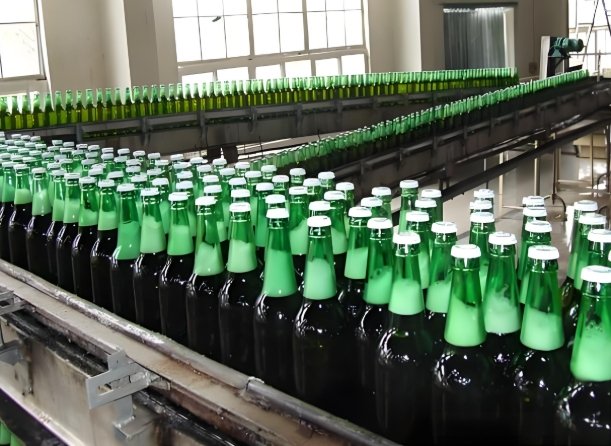
In the wine industry, high-speed and precise bottling processes are essential for maintaining quality and efficiency. A wine filling machine, combined with a bottle washing machine and a cap sealing machine, forms a complete glass bottle packaging line. These integrated systems handle bottle rinsing, liquid filling, and airtight sealing, ensuring hygiene, consistent fill levels, and reliable product preservation. Companies like Foshan Popper Machinery provide custom machinery and supply industrial solution machinery, enabling wineries to achieve efficient, scalable, and high-quality bottling operations.



Cap Sealing Machine for Glass Bottles
For example, After filling, bottles need to be securely sealed. A cap sealing machine applies corks, screw caps, or metal closures to the bottles. Sealing immediately after filling prevents leaks and contamination, preserving the wine’s quality.
Wine Filling Machines
Applications of Wine Filling Machines
Additionally, a wine filling machine accurately dispenses wine into glass bottles at high speeds. It reduces product waste and ensures consistent fill levels. However, wine is sensitive to air exposure, which can spoil the product.As a result, many wine filling machines use vacuum systems or nitrogen purging to remove air from bottles before sealing. This helps maintain the wine’s freshness and flavor.
The Role of the Bottle Washing Machine
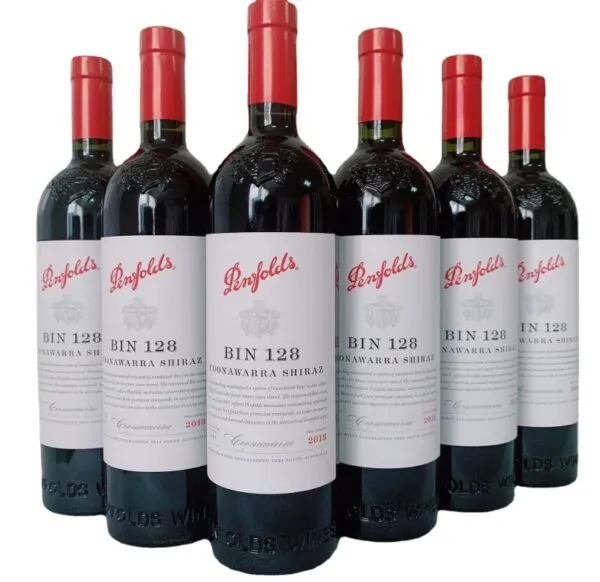
Moreover, Clean bottles are critical for maintaining wine quality. A bottle washing machine removes dust, dirt, and contaminants from glass bottles before filling. .
Cap Sealing Machine for Glass Bottles
A cap sealing machine is an important part of a wine bottling line because sealing must happen quickly and accurately after filling. Once wine enters the bottle, the container needs to be closed securely to protect the product from leaks, outside exposure, and possible contamination. A reliable sealing step helps preserve the wine’s quality while keeping the bottle ready for labeling, packing, storage, or shipment. When the sealing machine works together with the wine filling machine, the full process becomes smoother, faster, and easier to control during regular production. This connection helps operators maintain consistent bottle handling and dependable packaging results.
For example, after filling, bottles need to be securely sealed. A cap sealing machine applies corks, screw caps, or metal closures to the bottles, depending on the packaging style and product requirement. This makes the machine useful for different wine bottle formats and closure preferences. Sealing immediately after filling prevents leaks and contamination, preserving the wine’s quality. It also helps keep the bottle properly closed before it moves to the next packaging stage.
Cap sealing machines work in sync with the wine filling machine, automatically capping bottles right after they’re filled. This coordinated process reduces waiting time between filling and sealing, helping the production line move more efficiently. Instead of relying only on manual placement, the machine applies closures in a controlled and repeatable way. Many machines also use sensors to ensure caps are properly placed, providing an extra layer of quality control. These sensors help detect positioning issues before bottles move forward, supporting better consistency and reducing sealing mistakes. Overall, a cap sealing machine helps wine producers protect product quality, improve workflow, and maintain a professional bottling process with secure, accurate, and reliable closures across each production run during daily operations and regular packaging schedules for consistent output.
High-Speed Integrated Systems
Benefits of Integrated Wine Bottling Systems
Automated wine bottling systems provide wineries with a more efficient and dependable way to manage washing, filling, sealing, and bottle handling. These systems are useful because wine production requires clean containers, accurate filling levels, secure closures, and consistent results across every bottle. When the process is handled manually, production can slow down and quality may vary from one bottle to another. Automation helps reduce these issues by completing repeated tasks with controlled speed and accuracy. It also supports better workflow, lower labor demand, and stronger consistency during regular bottling operations. For wineries producing different bottle sizes or using different cap types, automated equipment also provides the flexibility needed to manage varied product lines without disrupting the full production schedule.
- Increased Efficiency: Additionally, automated systems allow for faster production, reducing downtime and increasing output. This helps wineries process more bottles in less time while keeping the bottling line moving smoothly. Faster operation also supports larger production runs and helps businesses meet regular market demand more efficiently.
- Consistent Quality: Machines ensure precise filling, sealing, and cleanliness, which helps maintain wine quality in line with wine production. Consistency is important because each bottle should receive the correct fill level, a secure cap, and clean handling throughout the process. This helps preserve product quality and supports a professional final package.
- Reduced Labor Costs: Automation lowers the need for manual labor, resulting in cost savings. Workers can focus on supervision, quality checks, and machine operation instead of handling every bottle by hand.
- Flexibility: The ability to handle different bottle sizes and cap types makes these systems adaptable for various wine products. This supports smoother changeovers, better production planning, and efficient packaging for different wine lines.
Conclusion
Wine bottling requires a careful balance of cleanliness, filling accuracy, air control, and secure sealing to protect product quality from the first packaging step to final storage. A complete glass bottle packaging line helps wineries manage these requirements with better speed and consistency. When the wine filling machine works together with bottle washing and cap sealing equipment, each bottle can move through rinsing, filling, air management, and closure in a more controlled sequence. This reduces manual handling, improves workflow, and helps maintain reliable bottling performance across large production volumes.
In conclusion, a wine filling machine, when integrated with a bottle washing machine and cap sealing machine, delivers a complete and efficient solution for glass bottle packaging lines. By combining bottle rinsing, precision filling, vacuum or nitrogen-based air control, and airtight sealing, these systems ensure product purity, consistent fill levels, and long-term preservation of wine quality. The bottle washing machine prepares glass containers before filling, helping support cleanliness before wine enters the bottle. The wine filling machine then manages accurate fill levels, while air control helps reduce unwanted exposure before sealing. After that, the cap sealing machine closes each bottle securely to protect the product during storage, shipment, and handling.
The automation of the entire process enhances production speed, reduces manual intervention, and maintains consistency across large volumes. This is especially useful for wineries that need dependable output without sacrificing product care. With scalable configurations and advanced technology, companies like Foshan Popper Machinery provide custom machinery and supply industrial solution machinery, enabling wineries to optimize operations and achieve reliable, high-quality bottling performance. Overall, this integrated system supports cleaner processing, faster packaging, stronger preservation, and more consistent bottle quality during daily production schedules and long-term winery operations. It also helps teams manage changeovers, maintenance planning, and repeatable performance with greater confidence daily.
Need Help Choosing Bottle Washing Machine?
Ready to work with us?