What Is an Automatic Filling Machine?
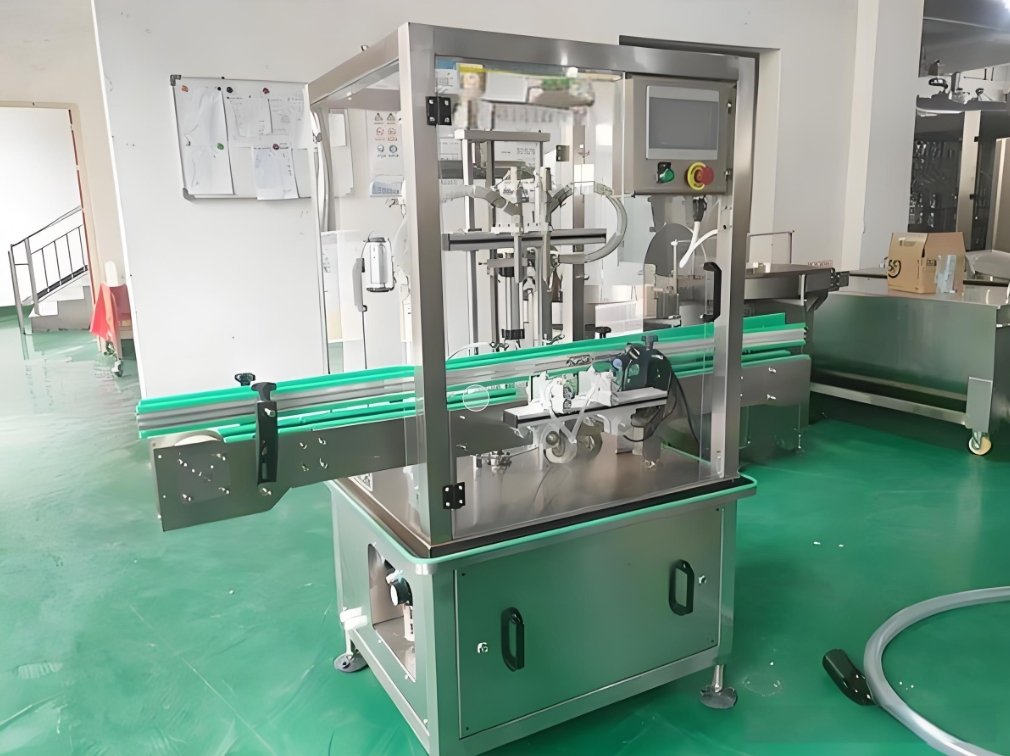
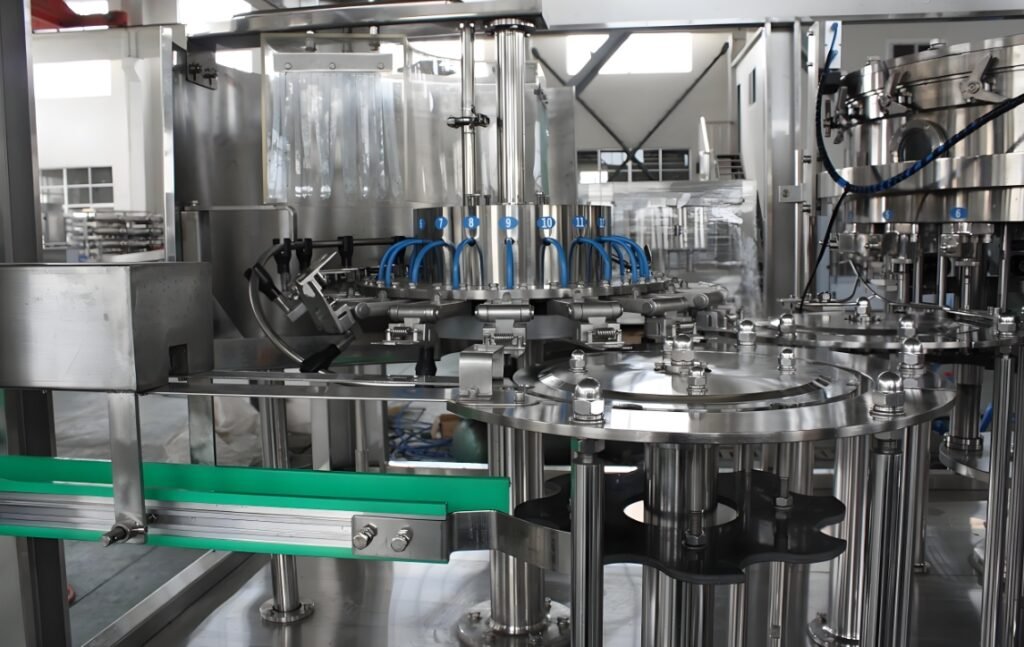
An automatic filling machine is a system used in factories to fill liquids, powders, or thick products into containers without manual work. These machines are used in industries like beverages, pharmaceuticals, cosmetics, chemicals, and food production.
Unlike manual or semi-automatic equipment, a fully automatic filling machine handles the whole process on its own. For example, it positions bottles, fills them, controls volume, and sometimes adds caps or labels. As a result, production becomes faster and more accurate.
In addition, modern automatic filling machines include sensors, programmable controls, and stainless-steel parts. Because of this, they meet industrial safety and quality standards.
Why Automatic Filling Machines Are Important in Production
These machines are important in modern manufacturing and packaging lines. In fact, many businesses use them to keep product quality consistent while increasing production speed.
Key reasons industries use automatic filling systems include:
High-speed production and lower labor costs
Accurate filling with less product waste
Better hygiene and contamination control
Consistent packaging quality
Easy connection with complete bottling lines
Therefore, companies with large production volumes often rely on automatic filling machines to scale operations.
How an Automatic Filling Machine Works
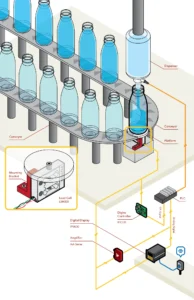
The working process of an automatic filling machine follows a clear sequence. First, containers enter the system. Then, the machine fills and moves them forward for packaging.
Bottle Feeding
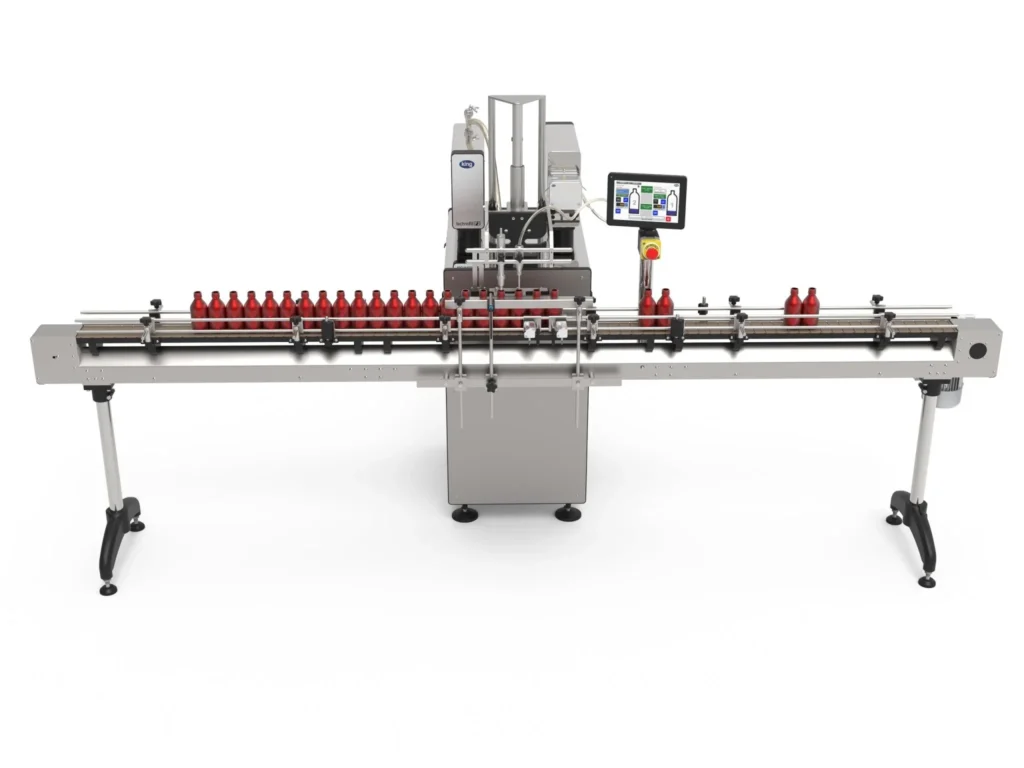
First, empty containers are placed on a conveyor system. The machine automatically positions bottles correctly for filling.
Container Detection
Next, sensors detect bottles and confirm their position before filling starts.
Product Filling
After that, the machine fills a measured amount of product through filling nozzles. As a result, the fill level remains consistent.
Filling Methods Used
Different products require different filling methods. For example:
Volumetric filling
Gravity filling
Piston filling
Overflow filling
Bottle Transfer
Finally, filled bottles move to the next stage. This may include capping, sealing, labeling, or packaging.
Overall, this automated workflow improves efficiency and ensures continuous production.
Main Types
Different industries need different filling machines. This mainly depends on product thickness, foam level, and container design. Therefore, choosing the right type helps improve filling accuracy and production efficiency.
Automatic Liquid Filling Machine
Automatic liquid filling machines are used for water, beverages, oils, juices, and chemicals. Therefore, they are common in beverage, food, and chemical industries. Moreover, these machines support fast and accurate filling in large production lines.
Automatic Powder Filling Machine
Automatic powder filling machines handle products like milk powder, spices, flour, and pharmaceutical powders. Typically, these machines use auger filling systems for precise measurement. As a result, they ensure consistent filling with minimal product waste.
Automatic Paste Filling Machine
Automatic paste filling machines are designed for thick products such as sauces, creams, gels, and cosmetic items. Since these materials are viscous, piston-based systems are often used. Therefore, they provide accurate and stable filling results.
Automatic Bottle Filling Machine
Automatic bottle filling machines are widely used in beverage, dairy, and chemical industries. They are designed to handle high-speed bottle filling operations. In addition, these machines can be integrated with capping and labeling systems.
Key Components
A complete automatic filling system includes several important parts that work together efficiently. Each component helps maintain accuracy, speed, and smooth operation. Therefore, understanding these parts is important for production planning.
Product Tank or Hopper
First, the product tank stores the material before it is filled into containers. It ensures a continuous supply during the filling process. Additionally, most tanks are made from stainless steel for hygiene and durability.
Filling Nozzles
Next, filling nozzles control the flow of product into containers. They help reduce dripping, foaming, and product loss. As a result, manufacturers can maintain accurate filling levels.
Conveyor System
Meanwhile, the conveyor system moves bottles through different stages of the filling process. It helps position containers correctly before filling starts. Therefore, it supports smooth and continuous production.
Control Panel (PLC System)
The control panel allows operators to adjust filling speed, volume, and machine settings. Modern machines use PLC systems for better automation. In addition, it helps monitor the filling process easily.
Sensors and Automation Controls
Finally, sensors detect bottle position and control the filling timing. They prevent filling errors when containers are missing. Because of this, the system works more accurately and efficiently.
Features of Modern Automatic Filling Machines
Modern filling machines include advanced technology that improves performance and production efficiency. For example, they offer better control and faster operation.
Important features include:
High-precision filling technology
Programmable automation systems
Stainless steel hygienic design
Adjustable filling speed and volume
Anti-drip filling nozzles
Integration with capping and labeling machines
Energy-efficient operation
Because of these features, automatic filling machines are ideal for continuous industrial use.
Industries That Use Automatic Filling Machines
Automatic filling machines are used in many industries where packaging speed and efficiency are important.
Common industries include:
Beverage and wine production
Food processing and sauces
Cosmetics and personal care products
Chemical and cleaning products
Dairy production
However, each industry may require a specialized filling system depending on the product.
Automatic vs Semi-Automatic Filling Machine
Many companies compare these two machine types before buying equipment.
Automatic Filling Machine
Fully automated process
High production capacity
Less manual work
Best for large factories
Semi-Automatic Filling Machine
Requires operator support
Lower production speed
More affordable for small businesses
Suitable for small-scale production
Overall, automatic machines are better for growing production needs.
Factors to Consider Before Buying an Automatic Filling Machine
Choosing the right machine depends on several factors.
- Production Capacity
- Type of Product
- Container Size and Shape
- Automation Level
- Material and Hygiene Standards
- Maintenance and Reliability
Benefits of Using an Automatic Filling Machine
Businesses using automatic filling machines gain several advantages.
Higher production efficiency
Reduced human error
Consistent product quality
Lower long-term costs
Faster packaging speed
Improved hygiene standards
As a result, companies can grow production while maintaining quality.
Automatic Filling Machine Price Overview
The price of an automatic filling machine depends on capacity, technology, and features.
Typical price ranges include:
Small machines for entry-level industrial use
Medium production machines with higher speed
Large industrial filling lines with full automation
In addition, prices vary depending on the manufacturer and machine specifications.
Conclusion
An automatic filling machine is indeed an important solution for industries that require fast and accurate packaging. Moreover, these machines improve efficiency, reduce labor costs, and maintain product quality. In addition, they support large-scale production in industries such as beverages, pharmaceuticals, cosmetics, and food processing. Therefore, businesses should carefully choose the right machine based on their production needs. As a result, they can increase productivity, while ensuring consistency. Consequently, adopting automation helps reduce errors. Similarly, integration with labeling and capping systems further enhances efficiency. For example, a liquid filling machine can maintain precise volumes for every container. Hence, manufacturers achieve better output, and overall cost savings are realized.