Introduction: The Rise of Smart Automation
An automatic filling machine has become the backbone of modern production facilities across food, beverage, cosmetics, and pharmaceutical industries. In 2025, businesses are investing heavily in automation to improve output quality, reduce labor dependency, and increase production speed.
Whether it’s a liquid filling machine, bottle filling machine, or powder filling machine, automated technology helps achieve precision and reliability that manual methods simply cannot match. As highlighted by Packaging World, the demand for automation in packaging and filling machinery has grown rapidly due to its proven impact on efficiency and profitability.
1. What Is an Automatic Filling Machine?
An automatic filling machine is a sophisticated piece of industrial equipment that measures and dispenses precise quantities of liquid, powder, or granules into containers. These machines are powered by servo motors and PLC systems that maintain consistent accuracy throughout the production process.
With built-in sensors and programmable settings, an automatic filling machine ensures each container is filled uniformly, minimizing waste and human error. On fillingmachinepp.com, systems like the bottle filling machine provide seamless integration with capping and labeling units, delivering complete automation for packaging lines.
2. How Automatic Filling Machines Boost Efficiency
2.1 Faster Production Cycles
The automatic filling machine allows manufacturers to fill hundreds or even thousands of containers per hour with consistent speed. According to Automation.com, automated systems can increase production output by up to 40% compared to manual filling. The ability to maintain uninterrupted operation without fatigue is one of the biggest reasons industries rely on automation.
2.2 Consistent Quality and Accuracy
When precision matters, an automatic filling machine eliminates variability. Every container receives the same fill weight or volume, which is crucial for pharmaceutical, cosmetic, and food products. For example, the milk powder filling machine ensures hygienic filling under dust-free conditions ideal for dairy and nutrition manufacturers.
2.3 Lower Product Waste
Manual filling often leads to overfilling or spillage. With advanced sensor calibration, an automatic filling machine reduces product waste by detecting irregularities in real time. This efficiency saves both raw materials and packaging costs, making it an environmentally friendly choice.
3. Key Types of Automatic Filling Machines
Each automatic filling machine type serves a unique production purpose. Let’s explore the most common ones used across industries.
3.1 Liquid Filling Machines
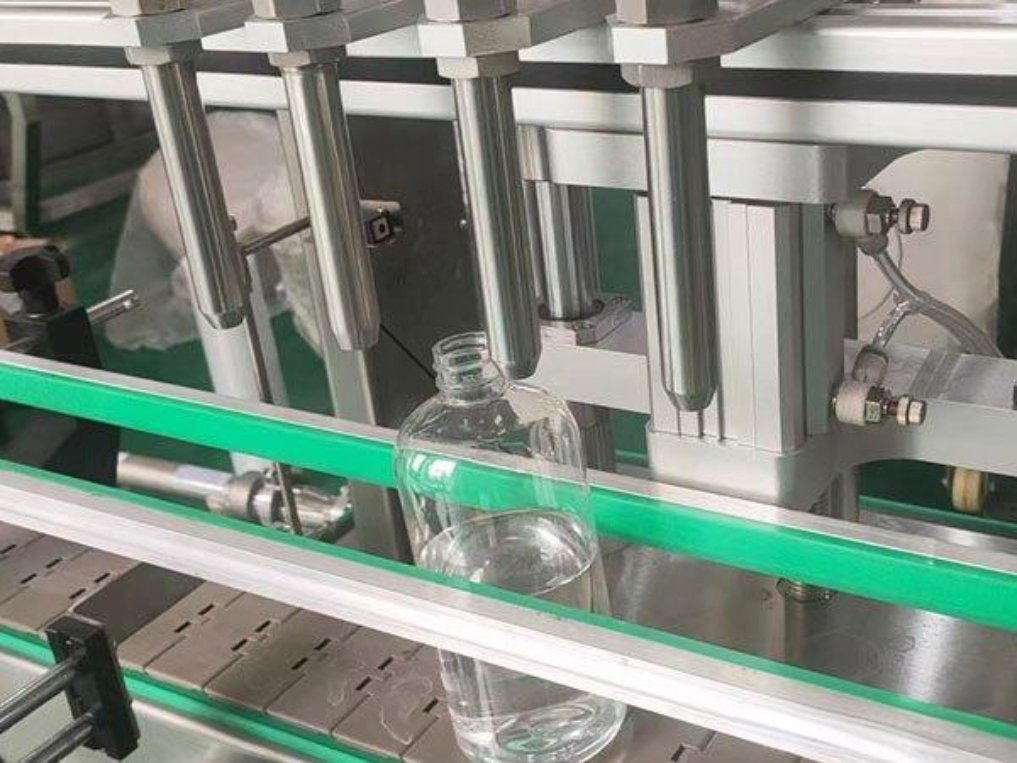
A liquid filling machine uses volumetric or piston technology to fill containers with liquids like juices, oils, detergents, or sauces. High-viscosity models like the sauce filling machine maintain clean, drip-free performance.
The wine filling machine, for example, offers exceptional precision, preventing oxidation and maintaining flavor integrity during bottling.

3.2 Bottle Filling Machines
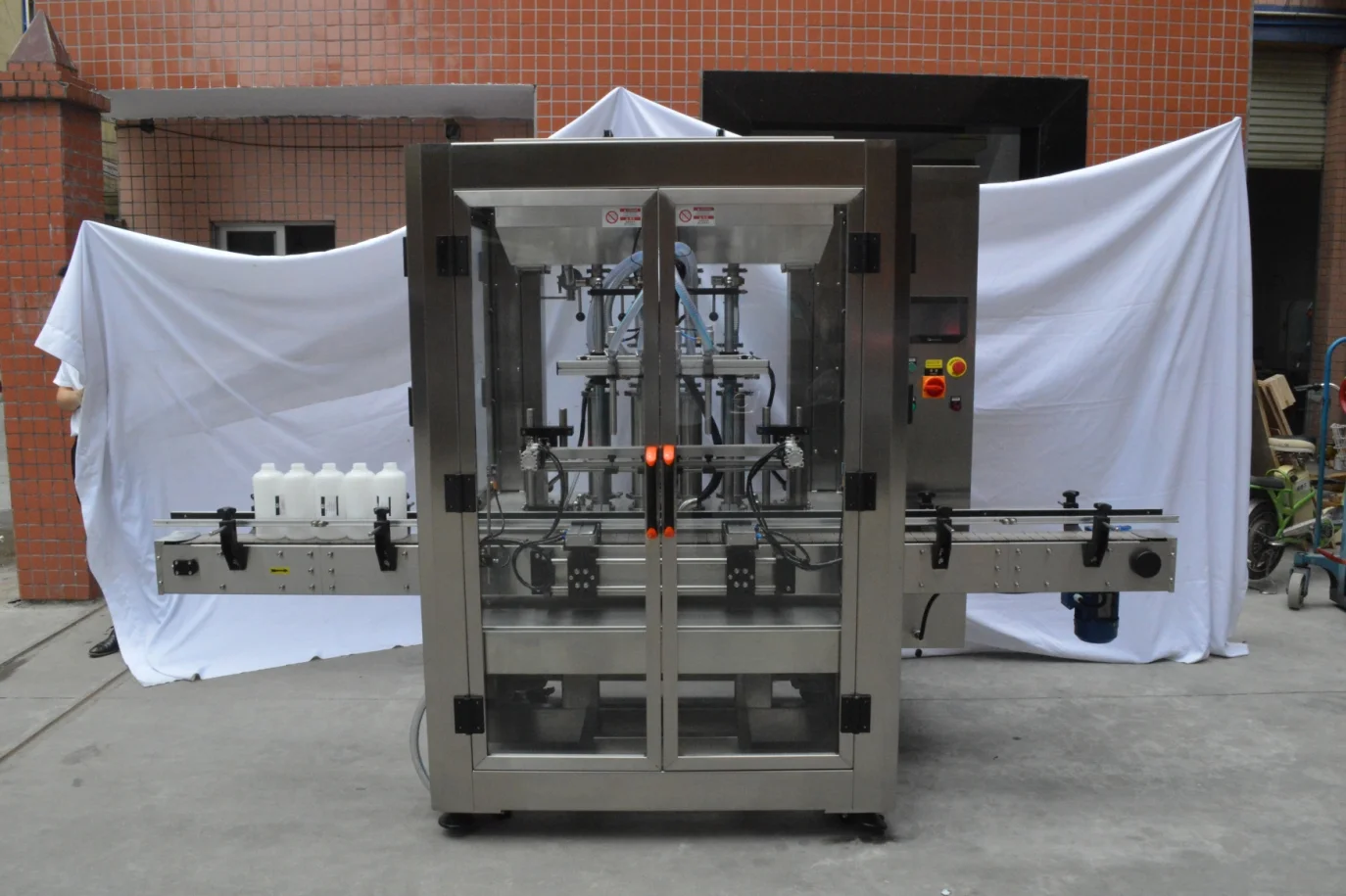
A bottle filling machine streamlines container management by combining conveyors, filling nozzles, and sensors into a synchronized system. Integrated with capping machines and labeling machines, it forms a full packaging line that enhances both efficiency and product presentation.
3.3 Powder Filling Machines
The powder filling machine is equipped with an auger screw system for consistent weight accuracy. According to Food Engineering Magazine, advanced powder automation can reduce raw-material loss by up to 15% annually, a major cost benefit for producers of milk powder, protein supplements, and food ingredients.

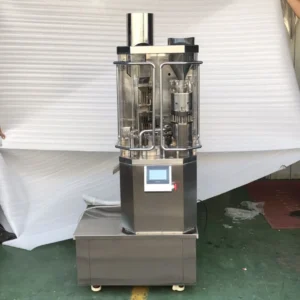
3.4 Capsule Filling Machines
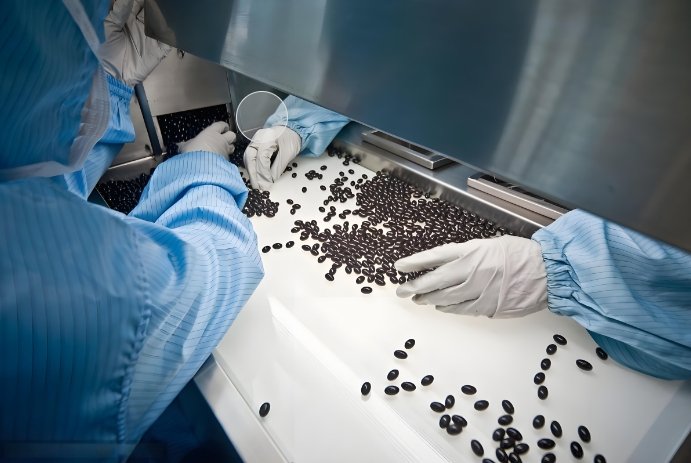
The capsule filling machine is crucial for pharmaceutical and nutraceutical manufacturers. These systems can sort, fill, and seal capsules automatically at high speeds. Similar models, such as the coffee capsule filling machine, bring the same precision to beverage production.
4. Integration Across Packaging Systems
An automatic filling machine performs best when combined with a complete packaging ecosystem. Integration with carton packaging machines, wrapping packaging machines, and palletizing packaging machines allows for uninterrupted workflow from filling to final packaging.
The PMMI Association reports that integrated systems can reduce production downtime by up to 25%. For food producers, combining a sauce filling machine with a paper box packaging machine ensures smooth transitions between filling, sealing, and labeling stages.
5. Technological Advancements in 2025
5.1 AI and Predictive Monitoring
Modern automatic filling machines come equipped with IoT sensors that monitor real-time performance. These AI-driven systems track temperature, speed, and viscosity changes, automatically adjusting parameters to ensure consistent results. Predictive maintenance alerts also prevent unplanned downtime.
5.2 Energy Efficiency
Sustainability remains a key focus. Servo-driven automatic filling machines consume less energy while offering higher accuracy. As reported by Pharmaceutical Processing World, companies using energy-efficient automation have cut operational costs by up to 25%.
5.3 Modular Design
The latest automatic filling machines feature modular structures that allow scalability. Businesses can start small with a desk-top filling machine and later upgrade to a fully automated production line. This flexibility is vital for growing manufacturers looking to expand gradually.
6. Key Benefits of an Automatic Filling Machine
Investing in an automatic filling machine provides measurable improvements across multiple performance metrics:
- Speed and Efficiency: Faster cycle times and reduced idle intervals.
- Consistency: Uniform product volume and fill weights across every batch.
- Reduced Labor Costs: Fewer manual operators are needed.
- Compliance: Systems adhere to GMP and FDA hygiene standards.
- Improved Safety: Stainless steel and CIP (Clean-in-Place) designs ensure sanitary operation.
For example, tube sealing and filling machines offer leak-proof packaging for creams and gels while maintaining hygiene for cosmetics and pharmaceuticals.
7. Why 2025 Is the Right Time to Upgrade
The 2025 industrial landscape favors automation. As global demand rises and competition intensifies, adopting an automatic filling machine ensures operational stability and long-term growth. It not only reduces manual dependency but also positions your business for digital transformation aligned with Industry 4.0.
At Filling Machine PP, each automatic filling machine is engineered for accuracy, speed, and easy integration with other systems such as labeling, sealing, and palletizing. The company’s range of solutions, from liquid to capsule filling, supports manufacturers in optimizing production capacity without compromising product quality.
Conclusion: Transform Your Production with Automation
An automatic filling machine is more than just machinery it’s a production upgrade that drives consistency, efficiency, and profitability. Whether you need to fill beverages, powders, or pharmaceutical capsules, automation is the smart way forward.
Explore the full range of industrial filling and packaging systems at fillingmachinepp.com, including filling machines, labeling machines, and packaging solutions.
For expert support or a customized quote, visit our Service Page or browse our Blogs for more industrial insights.
Frequently Asked Questions
1. What is an automatic filling machine?
An automatic filling machine is industrial equipment that fills liquids, powders, or granules into containers automatically using programmable systems. It improves accuracy, speed, and hygiene compared to manual filling processes.
2. How does an automatic filling machine improve production efficiency?
It increases production speed, reduces labor dependency, minimizes waste, and ensures consistent product quality. Modern automatic filling machines also integrate with labeling and packaging systems for continuous operation.
3. What types of automatic filling machines are available?
Common types include liquid filling machines, bottle filling machines, powder filling machines, and capsule filling machines. Each type is designed to handle different product textures and packaging needs.
4. Are automatic filling machines suitable for small businesses?
Yes. Compact systems like the desk-top filling machine are ideal for startups and small-scale producers. They provide automation benefits without requiring a large production space.
5. How accurate is an automatic filling machine?
Modern automatic filling machines use servo-driven controls and advanced sensors to achieve up to ±1% fill accuracy. This precision helps maintain consistency, especially in food, beverage, and pharmaceutical applications.