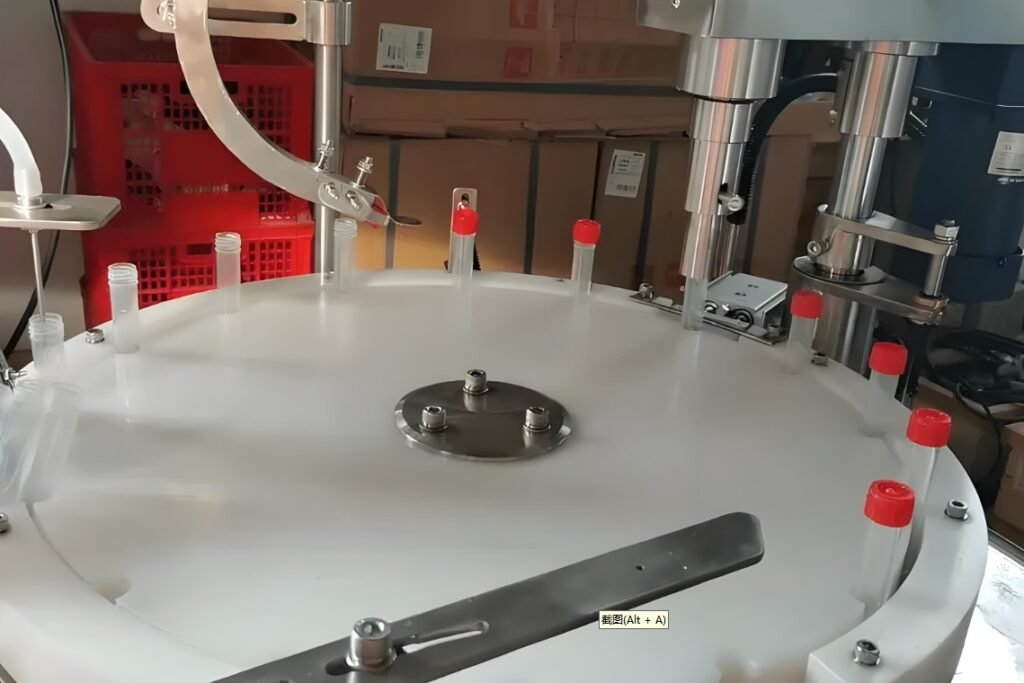
Pharmaceutical manufacturing is a highly regulated industry where safety, accuracy, and product quality are critical. One important part of this process is the filling machine. These machines are used for the precise filling of liquid medicines, tablets, capsules, vials, bottles, syringes, and other pharmaceutical products.
To protect patient safety, the U.S. Food and Drug Administration (FDA) sets strict guidelines for automatic filling machines used in drug production. Whether a company uses a pharmaceutical filling machine, liquid filling machine, vial filling machine, or tablet filling machine, the equipment must meet FDA and GMP requirements.
In this article, we will discuss the FDA regulations surrounding filling machines in the pharmaceutical industry and explain why compliance is important for safe, accurate, and high-quality production.
1. FDA’s Role in Regulating Filling Machines
The FDA ensures that pharmaceutical products remain safe, effective, and high quality. The agency also oversees the equipment used in drug manufacturing, including automatic pharmaceutical filling machines.
The FDA’s Good Manufacturing Practice (GMP) guidelines define how a pharmaceutical filling machine should be designed, operated, cleaned, maintained, and validated. These guidelines cover everything from machine materials to calibration, sterilization, and documentation.
2. Material Safety for Filling Machines
One of the most important FDA requirements for filling machines is the use of safe, non-reactive materials. This is critical in pharmaceutical production because chemical reactions can affect drug quality and patient safety.
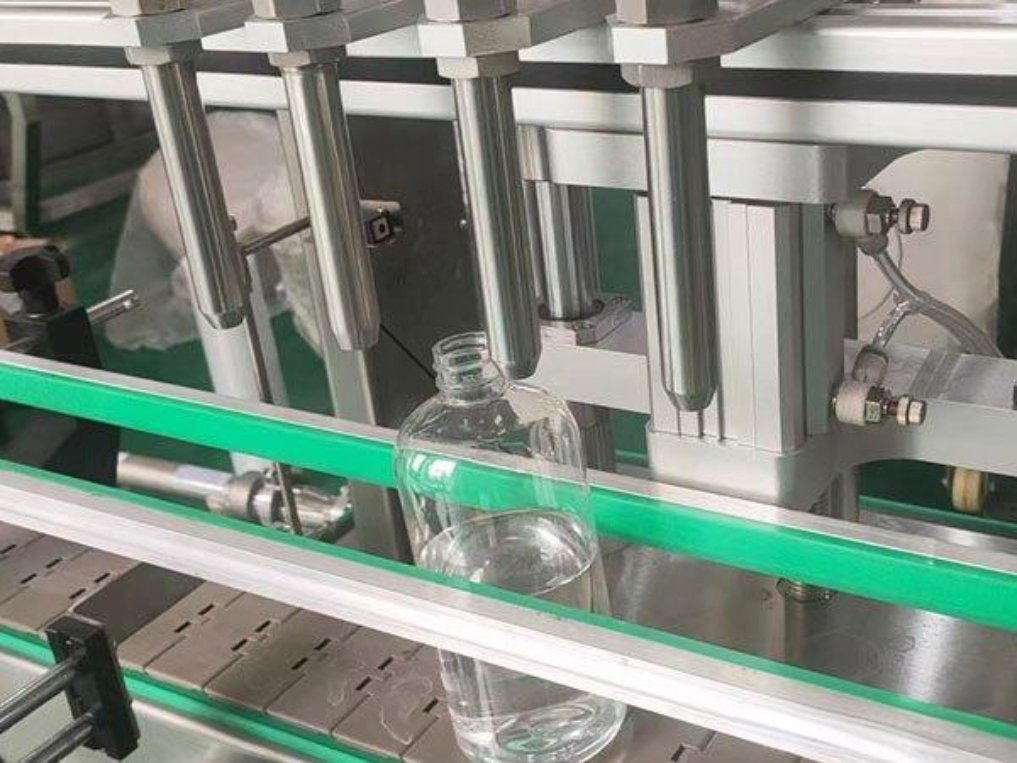
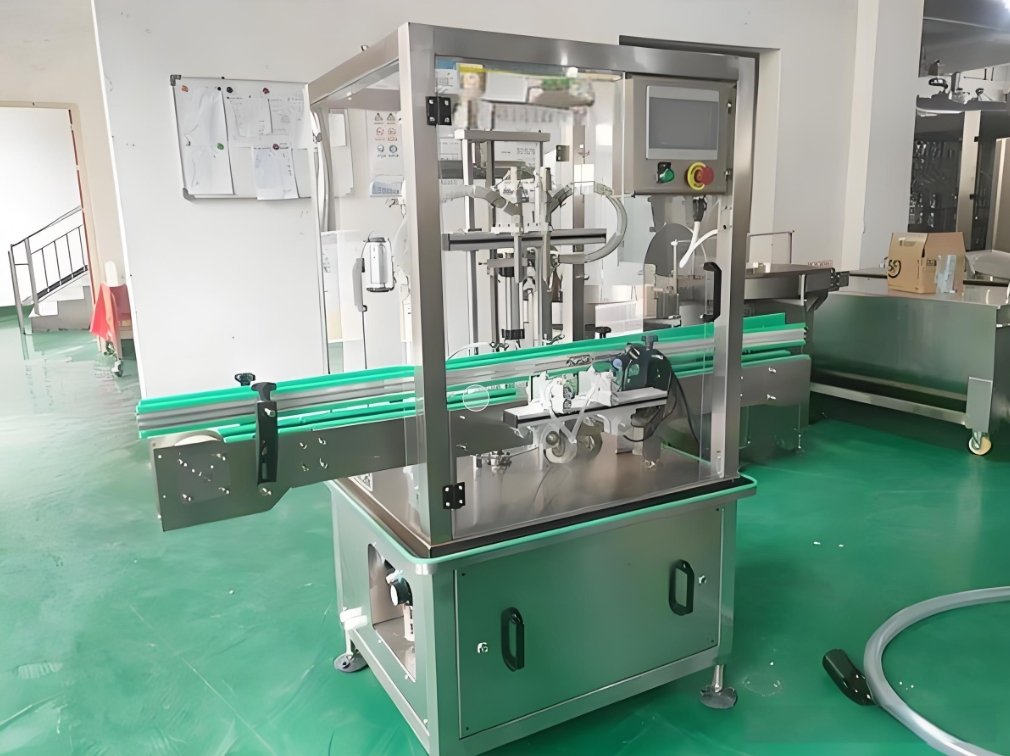
An FDA-compliant filling machine should be made from food- and drug-grade materials, such as stainless steel. These materials must be corrosion-resistant, easy to clean, and suitable for contact with pharmaceutical products.
This helps prevent contamination and keeps the medicine stable, safe, and effective throughout the filling process.
3. Sterilization Requirements
Cleanliness is essential in pharmaceutical manufacturing. The FDA requires all product-contact parts of a filling machine to be properly cleaned and sterilized. This helps reduce the risk of bacterial, viral, or cross-product contamination.
Sterilization may involve heat, steam, chemical cleaning agents, or automated cleaning systems. Companies using automatic filling machines must follow strict cleaning procedures between production cycles.
For sterile medicines, companies may also use an aseptic filling machine to fill products in a controlled and contamination-free environment.
4. Accuracy in Filling Machines
Pharmaceutical products must be filled with exact dosage amounts. Even a small filling error can lead to ineffective treatment, overdose risk, or serious side effects.
For this reason, FDA regulations require pharmaceutical filling machines to be calibrated and tested regularly. Machines must deliver accurate filling volumes for bottles, vials, ampoules, syringes, tablets, capsules, and other dosage forms.
Modern automatic liquid filling machines use sensors, control systems, and advanced measurement technology to maintain precise dosage delivery. Manufacturers must regularly inspect, test, and recalibrate the equipment to ensure accuracy.
If a filling machine fails to meet accuracy standards, operators must remove it from service until the problem is fixed.
5. Cleanability and Hygienic Design
The design of a filling machine plays a major role in cleaning, sanitation, and contamination control. FDA guidelines require machines to be designed in a way that reduces contamination risks.
A good GMP filling machine should have smooth surfaces, minimal cracks, and easily accessible product-contact parts. This prevents medicine particles, powder, liquid residue, or bacteria from getting trapped inside the machine.
The machine should also be easy to disassemble for cleaning and maintenance. This is especially important for pharmaceutical liquid filling machines, where leftover liquid residue can create contamination risks.
6. Validation of Filling Machines
Before a filling machine can be used in pharmaceutical production, it must be validated. Validation confirms that the machine performs correctly and meets FDA and GMP standards.
The validation process usually includes:
Installation Qualification (IQ): Confirms that the machine is installed correctly.
Operational Qualification (OQ): Verifies that the machine operates within approved limits.
Performance Qualification (PQ): Confirms that the machine consistently delivers accurate and reliable filling results.
Only after successful validation can an automatic pharmaceutical filling machine be approved for production use.
7. Documentation and Record-Keeping
FDA regulations require pharmaceutical companies to keep complete records of machine cleaning, maintenance, calibration, and performance. These records prove that the filling machine is operating according to required standards.
Important documentation includes:
Cleaning logs: To confirm the machine was cleaned and sterilized between production cycles.
Calibration records: To show that dosage measurements are accurate.
Maintenance records: To confirm the machine is safe, functional, and properly serviced.
Validation reports: To prove the machine meets FDA and GMP requirements.
During an FDA inspection, these records may be reviewed to verify compliance.
8. Data Integrity in Automatic Filling Machines
Data integrity is another major requirement in pharmaceutical manufacturing. Any data collected by an automatic filling machine must be accurate, secure, complete, and traceable.
This includes data related to dosage amounts, batch numbers, machine performance, filling speed, product throughput, and error reports.
Many modern automatic filling machines include digital monitoring systems that record this information in real time. Pharmaceutical companies must ensure that this data cannot be changed, deleted, or manipulated without proper authorization.
Strong data integrity helps maintain FDA compliance and protects the quality of pharmaceutical products.
9. Ensuring Compliance with FDA Regulations
To stay compliant with FDA regulations, pharmaceutical companies must follow proper procedures when using filling machines.
Key compliance steps include:
Regular maintenance: Routine checks help prevent mechanical failure and production delays.
Calibration: Sensors and filling systems must be checked to ensure accurate dosage delivery.
Sterilization: Machines must be cleaned and sterilized between production batches.
Operator training: Staff must be trained to operate the machine according to FDA and GMP standards.
Documentation: All cleaning, maintenance, calibration, and validation activities must be properly recorded.
By following these steps, companies can ensure their FDA-compliant filling machines produce safe, accurate, and high-quality pharmaceutical products.
10. Technological Advancements in Filling Machines
New technology is helping pharmaceutical companies improve compliance, efficiency, and product safety. Modern automatic filling machines now include advanced sensors, automated cleaning systems, digital controls, and real-time monitoring features.
These systems help detect problems such as incorrect dosage, filling errors, contamination risks, machine faults, or production inconsistencies before they affect the final product.
Advanced pharmaceutical filling machines also reduce human error, improve production speed, and support better quality control. This makes them valuable for companies producing liquid medicines, tablets, capsules, syringes, bottles, vials, and other pharmaceutical products.
Conclusion
FDA regulations play an important role in ensuring the safety, quality, and effectiveness of pharmaceutical products. For companies using filling machines, compliance is not optional. Every part of the machine, from material selection and sterilization to accuracy, validation, and data integrity, must meet strict FDA and GMP standards.
Using a reliable automatic pharmaceutical filling machine helps manufacturers improve dosage accuracy, reduce contamination risks, maintain production quality, and protect patient safety.
As technology continues to improve, advanced FDA-compliant filling machines will help pharmaceutical companies meet regulatory requirements while improving efficiency and long-term business success.