
Types of Sealing in Tuble Filling Machines
In the packaging industry, the tuble filling machine plays a crucial role in efficiently filling and sealing products into tubes. These machines are indispensable in various sectors, including cosmetics, food, and pharmaceuticals. They ensure that products are filled accurately and sealed securely, preserving their quality and extending their shelf life. This article will delve deeper into the applications of tuble filling machines, the different sealing methods used, and the benefits of each.
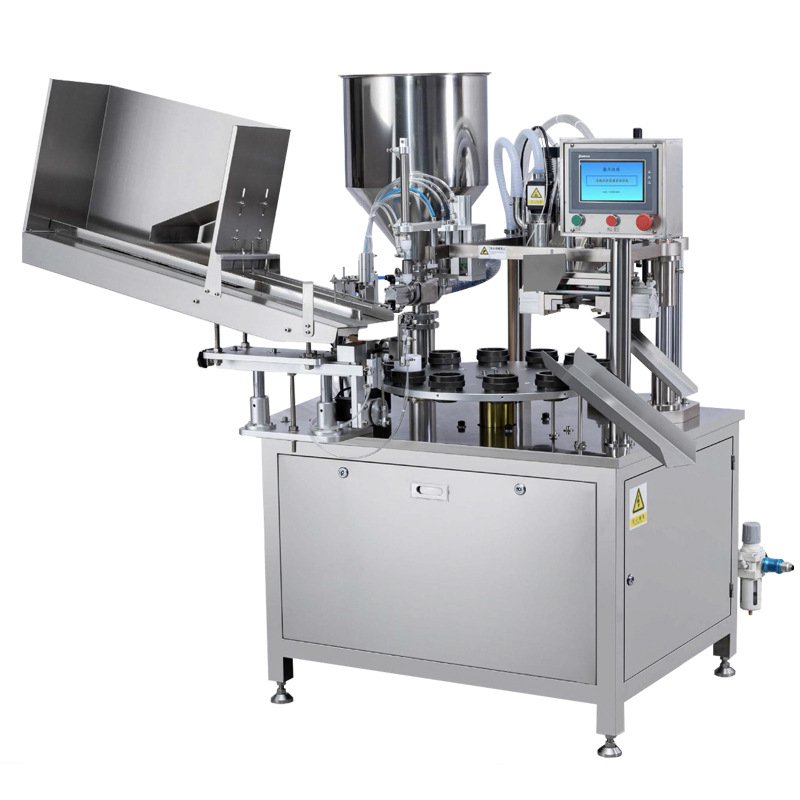
Applications of Tuble Filling Machines
Tuble filling machines are versatile and can accommodate a wide range of products. Here are some of the most common applications:
Cosmetics: Tuble filling machines are widely used for packaging products like creams, lotions, gels, and toothpaste. In the cosmetics industry, maintaining product integrity and presentation is vital. A tuble filling machine ensures precise filling without spills, helping to keep the packaging clean and professional.
Food Products: Various food products, including sauces, pastes, and dressings, are frequently packaged in tubes. These machines help maintain hygiene and prevent contamination, which is crucial for food safety. For instance, mayonnaise or mustard can be filled into tubes, allowing consumers to dispense just the right amount without the risk of cross-contamination.
Pharmaceuticals: Tuble filling machines are essential for packaging ointments, gels, and other medicinal products. The accurate filling and sealing provided by these machines are critical for maintaining the effectiveness and safety of medications. In this sector, where precision is paramount, a tuble filling machine helps ensure that each product meets regulatory standards.
Industrial Applications: Beyond consumer goods, tubes are also used for packaging adhesives, sealants, and lubricants. Tuble filling machines ensure that these industrial products are filled and sealed for optimal performance. In industries where quality control is essential, these machines play a vital role in maintaining consistency and reliability.
Applications of Tube Filling Machines
Tube filling machines are versatile and can accommodate a wide range of products. Below are some of the most common applications:
Cosmetics: Tube filling machines are widely used for packaging creams, lotions, gels, and toothpaste. They ensure precise filling without spills, maintaining product integrity and a clean, professional appearance.
Food Products: Products such as sauces, pastes, and dressings are frequently packaged in tubes. Tube filling machines help maintain hygiene and prevent contamination, essential for food safety. Items like mayonnaise or mustard can be dispensed easily while reducing cross-contamination risks.
Pharmaceuticals: Tube filling machines are crucial for packaging ointments, gels, and medicinal products. Accurate filling and sealing are vital for preserving the safety and effectiveness of medications, ensuring compliance with regulatory standards.
Industrial Applications: Tubes are commonly used to package adhesives, sealants, and lubricants. Tube filling machines ensure that these products are filled and sealed properly for optimal performance and consistency.
Types of Sealing in Tube Filling Machines
Sealing is a critical step in the tube filling process. The two most common sealing methods are heat sealing and ultrasonic sealing. Each method has unique advantages, making it important for manufacturers to choose the right option based on their product requirements.
Heat Sealing
Heat sealing is one of the most widely used methods in tube filling machines. This process involves applying heat to the end of the tube, softening the material and bonding it securely. It is ideal for many types of plastic tubes and provides a strong, reliable seal.
Heat Sealing: Key Advantages
Temperature Control: Heat sealing machines allow for precise temperature control, ensuring that seals are strong and reliable. Maintaining the correct temperature prevents leaks and preserves product freshness. If the temperature is too low, the seal may not form properly, leading to spoilage.
Material Compatibility: This sealing method works well with various tube materials, including plastic and aluminum. It is ideal for applications in cosmetics and food packaging, giving manufacturers the flexibility to select the appropriate material that matches the heat sealing process.
Cost-Effectiveness: Heat sealing machines are generally more affordable and easier to maintain than ultrasonic sealing systems. Their simplicity also results in lower operational costs, making them a preferred choice for businesses with smaller budgets.
Ease of Operation: Heat sealing technology is easy to learn and operate. Operators can become proficient quickly, reducing training time and lowering labor costs.
Ultrasonic Sealing
Ultrasonic sealing is a modern technology that uses high-frequency sound waves to create a secure seal. This method provides several important advantages:
Fast and Efficient: Ultrasonic sealing is significantly faster than heat sealing. The sealing process occurs almost instantly, improving production speed and efficiency. This makes it ideal for high-volume production lines where time is crucial.
Strong Seals: Seals produced using ultrasonic technology are often stronger and more reliable. This is essential for products requiring long shelf life or sensitive contents. The durability of these seals helps prevent leaks and ensures product safety during storage and transportation.
Lower Temperature: Unlike heat sealing, ultrasonic sealing operates at lower temperatures. This reduces the risk of damaging heat-sensitive products. Many cosmetics contain ingredients that can be affected by high heat, making ultrasonic sealing a perfect choice for preserving product integrity.
Reduced Energy Consumption: Ultrasonic sealing machines typically use less energy than traditional heat sealing methods. This lowers operational costs and supports a smaller carbon footprint, making the process appealing for environmentally conscious manufacturers.
Choosing the Right Sealing Method
The choice between heat sealing and ultrasonic sealing depends on several factors, including the type of product, packaging material, and production volume. Here are key considerations for manufacturers:
Product Sensitivity: For heat-sensitive products, ultrasonic sealing is often the better option. It protects delicate ingredients while still delivering a strong and reliable seal.
Production Speed: High-volume production lines benefit from ultrasonic sealing, as it offers faster sealing times and improved efficiency across the packaging process.
Cost and Budget: Heat sealing machines are generally more affordable upfront. However, ultrasonic sealing machines may have lower long-term operational costs due to greater efficiency and reduced energy consumption.
The tube filling machine plays a vital role in packaging products across various industries, including cosmetics, food, pharmaceuticals, and industrial applications. These machines ensure precise filling and secure sealing, maintaining product quality and safety.
By understanding the differences between heat sealing and ultrasonic sealing, manufacturers can select the most suitable method for their specific production requirements. The right sealing technology improves efficiency, enhances product quality, and reduces waste.
Investing in a reliable tube filling machine equipped with the appropriate sealing method can significantly improve operations. With the right equipment, businesses can streamline their packaging processes, increase productivity, and deliver high-quality products to their customers.
