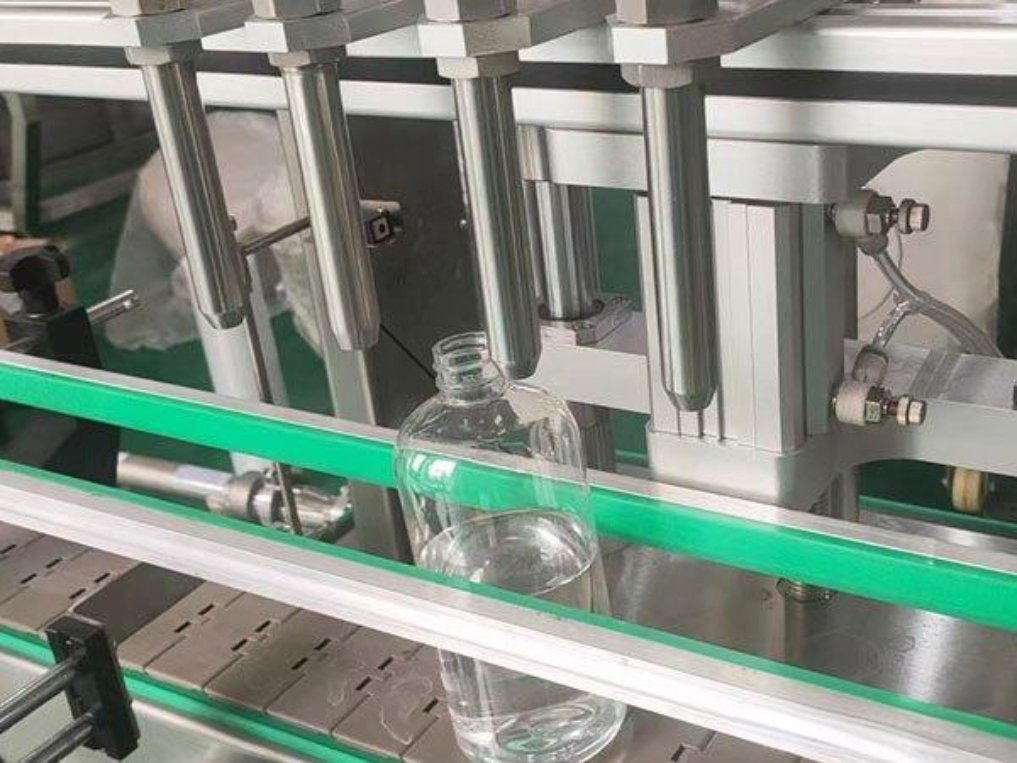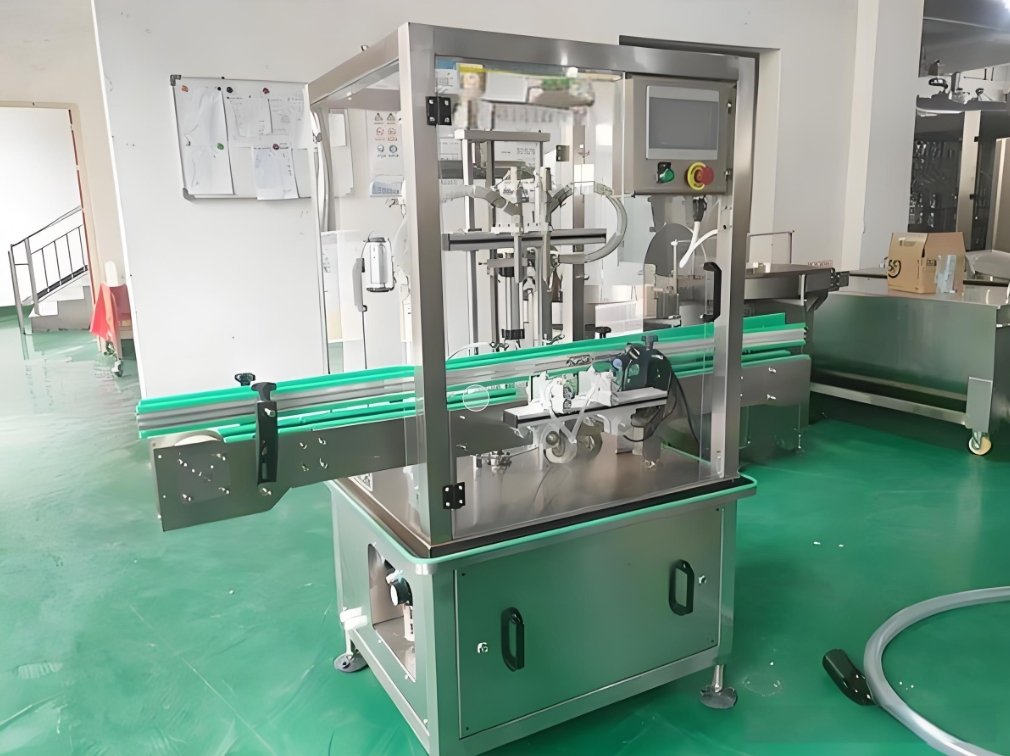

A wine filling machine helps wineries bottle wine smoothly, accurately, and hygienically. Whether you run a small winery or a large production line, an automatic wine filling machine can improve speed, reduce waste, and maintain consistent fill levels. The right bottle filling machine also protects wine quality, prevents spillage, and supports better packaging results.
1. Why You Need a Wine Filling Machine
A wine filling machine improves the complete bottling process by making wine filling faster, cleaner, and more accurate. Manual filling can cause uneven levels, product loss, and hygiene issues, while an automatic filling machine helps maintain consistency.
Key Benefits:
- Increases bottling speed
- Ensures precise wine filling
- Reduces product loss and spillage
- Improves hygiene and safety
- Supports consistent bottle presentation
Efficient wine bottling helps wineries save time, reduce costs, and increase production capacity.
2. How a Wine Filling Machine Works
A wine filling machine automates the process of transferring wine into bottles with accurate fill levels. An automatic bottle filling machine keeps the process smooth and consistent from start to finish.
Step-by-Step Process:
- Empty bottles move into position
- The machine fills each bottle with the required volume
- Corking, capping, or sealing keeps the wine fresh
- Labeled bottles move forward for final packaging
Automation improves quality control and helps wineries maintain a professional bottling standard.
3. Choosing the Right Wine Filling Machine
The right wine bottle filling machine depends on your production needs, bottle type, and filling method. An automatic wine filling machine is available in different models for small, medium, and large wineries.
Factors to Consider:
- Production volume: Small batch or large-scale production
- Bottle types: Glass bottles, plastic bottles, or specialty bottles
- Filling method: Gravity filling, vacuum filling, or pressure filling
- Automation level: Semi-automatic or fully automatic filling machine
Choosing the right model improves efficiency, accuracy, and long-term performance.
4. Types of Wine Filling Machines
Different wine filling machines are designed for different winery needs. Each type supports a specific filling style and production requirement.
Common Types Include:
- Gravity Filling Machine: Uses liquid weight for smooth filling
- Vacuum Filling Machine: Removes excess air and controls fill levels
- Counter-Pressure Filling Machine: Best for sparkling wine and carbonated drinks
- Automatic Wine Filling Line: Suitable for high-volume bottling operations
Each filling machine type helps improve wine packaging quality and production speed.
5. Automatic Filling Machines Improve Speed
An automatic filling machine helps wineries increase production without depending heavily on manual labor. It fills bottles quickly while maintaining accurate and consistent levels.
Efficiency Benefits:
- Faster filling time
- Less wine waste
- Consistent fill levels
- Reduced labor requirements
- Better production output
For growing wineries, automation is one of the best ways to improve bottling efficiency.
6. Features of a Modern Wine Filling Machine
Modern wine filling machines come with advanced features that make operation easier and more reliable. These features help improve accuracy, safety, and productivity.
Main Features:
- Touchscreen control panel
- Adjustable fill levels
- Automatic bottle detection
- Stainless steel contact parts
- No-drip filling nozzles
- Easy cleaning system
These features help wineries maintain high-quality wine bottling with less downtime.
7. Cost Savings with an Automatic Filling Machine
An automatic wine filling machine can reduce operating costs by improving speed, reducing labor, and minimizing product loss. It is a smart investment for wineries that want better production efficiency.
Ways It Saves Money:
- Reduces wine waste
- Lowers labor costs
- Increases production rates
- Reduces filling errors
- Supports long-term ROI
Automation helps wineries produce more bottles with better accuracy and lower costs.
8. Small-Scale Wineries Benefit Too
A wine filling machine is not only for large wineries. Small wineries can also use compact or semi-automatic models to improve bottling quality.
Advantages for Small Wineries:
- Compact machine designs
- Easy operation
- Affordable models available
- Better control over batch production
- Scalable options for future growth
Small-scale wineries can start with a basic model and upgrade as production increases.
9. Hygiene and Safety in Wine Bottling
Hygiene is very important in wine production. A stainless steel wine filling machine helps prevent contamination and keeps the bottling process clean.
Sanitary Features:
- Stainless steel construction
- CIP cleaning system
- Sealed filling process
- Food-grade contact parts
- Easy-to-clean nozzles and tanks
Clean bottling equipment helps protect wine taste, freshness, and product quality.
10. Wine Filling Machine for Different Bottle Sizes
A wine filling machine can handle different bottle sizes with simple adjustments. This gives wineries more flexibility in packaging.
Compatible Bottle Sizes:
- 187ml mini wine bottles
- 375ml half bottles
- 750ml standard wine bottles
- 1.5L large wine bottles
Flexible bottle handling helps wineries package different product lines efficiently.
11. Automatic Filling Machines for Sparkling Wine
Sparkling wine requires special filling equipment because carbonation must be protected. A counter-pressure wine filling machine helps maintain CO2 levels and prevents foaming.
Sparkling Wine Features:
- Counter-pressure filling
- Gentle bottle handling
- Foam control system
- Vacuum sealing support
- Accurate pressure control
Specialized equipment helps preserve the taste, freshness, and carbonation of sparkling wine.
12. Customization Options in Wine Filling Machines
A wine filling machine can be customized based on bottle size, filling speed, sealing method, and production requirements.
Custom Features:
- Adjustable filling nozzles
- Different filling speeds
- Custom sealing options
- Multiple bottle format support
- Integration with labeling and capping machines
Customized settings help wineries improve workflow and production efficiency.
13. Easy Maintenance for Long-Lasting Use
Regular maintenance keeps a wine filling machine working smoothly and reduces unexpected downtime. Proper care also extends machine lifespan.
Maintenance Tips:
- Clean the machine regularly
- Lubricate moving parts
- Check seals and gaskets
- Inspect filling nozzles
- Follow the manufacturer’s maintenance schedule
Preventive maintenance helps keep the bottling line efficient and reliable.
14. The Future of Wine Filling Machines
Wine bottling technology continues to improve with smarter automation and better control systems. Future automatic wine filling machines will offer more advanced features for accuracy and sustainability.
Upcoming Trends:
- AI-driven automation
- Remote monitoring systems
- Energy-efficient designs
- Sustainable packaging compatibility
- Smart production tracking
Technology will continue to make wine bottling faster, cleaner, and more cost-effective.
15. Ensuring Regulatory Compliance
A wine filling machine should follow food-grade and industry safety standards. Compliance helps protect product quality and business reputation.
Regulatory Requirements:
- FDA standards
- GMP guidelines
- ISO hygiene standards
- Food-grade material requirements
- Environmental safety regulations
Using compliant equipment helps wineries meet industry expectations and avoid production risks.
16. Sealing Options for Wine Bottles
A wine bottle filling machine can work with different sealing systems depending on your packaging style and market needs.
Common Sealing Methods:
- Corking
- Screw caps
- Synthetic corks
- Vacuum sealing
- Custom closure systems
Proper sealing helps preserve wine freshness, taste, and shelf life.
17. Branding Opportunities with Wine Filling Machines
A modern wine filling and bottling machine can support better branding by improving bottle consistency and packaging presentation.
Branding Features:
- Custom labeling support
- Bottle shape compatibility
- Consistent fill levels
- Premium packaging appearance
- Integration with labeling machines
Strong packaging improves shelf appeal and helps wineries build brand recognition.
Conclusion
A wine filling machine is an important investment for wineries that want accurate, hygienic, and efficient bottling. An automatic wine filling machine improves production speed, reduces product waste in filling machine operations, supports different bottle sizes, and helps maintain consistent wine quality. By choosing the right machine and maintaining it properly, wineries can improve productivity, reduce costs, and grow with confidence.
To avoid downtime and quality issues, wineries should also check common filling machine leakage problems during regular maintenance and make sure nozzles, seals, valves, and filling settings are working correctly.