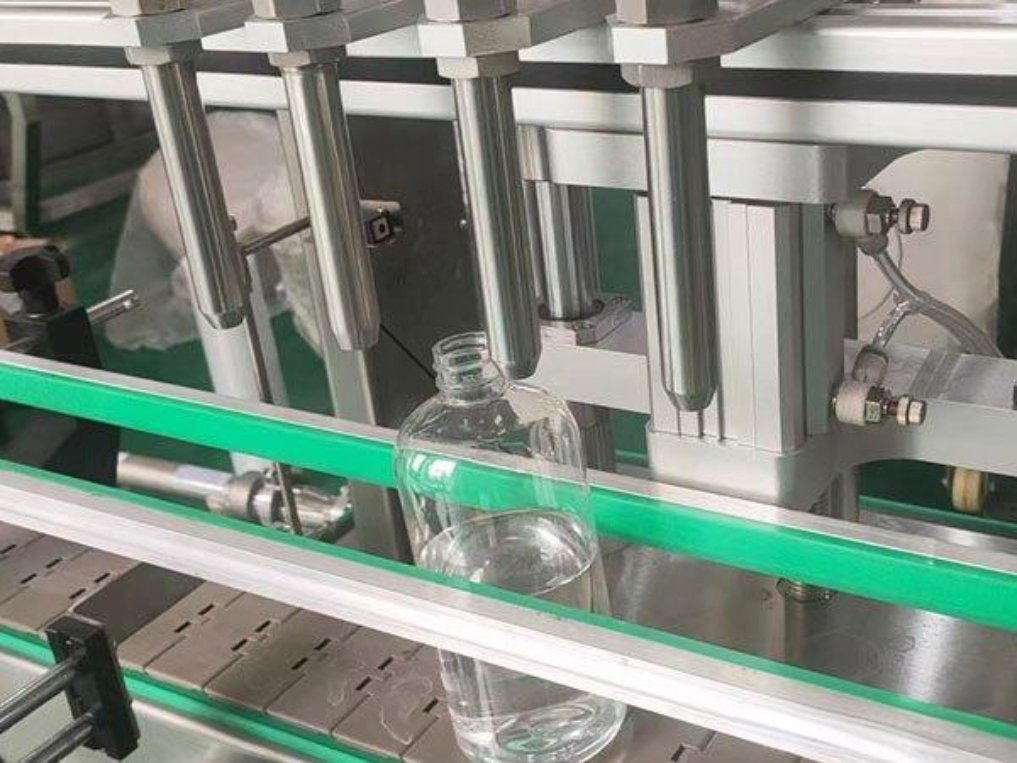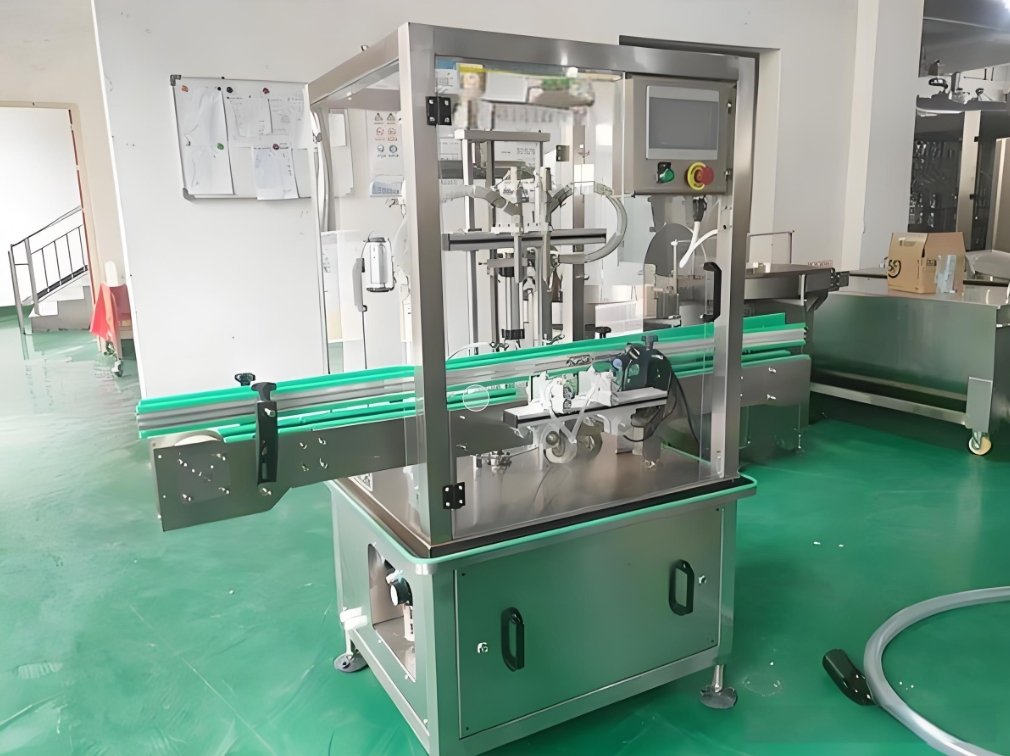
Two quotes for the same automatic liquid filling machine can look almost identical on paper while differing significantly in price. The real difference is often in what the quotation does—or does not—include: changeover parts, spare parts, commissioning, testing, documentation, or after-sales support.
That is why choosing a liquid filling machine supplier requires a separate evaluation from choosing the machine itself. The 10 questions below are designed to help buyers assess a supplier before committing money. Each question explains what you should verify, what a reliable response should include, and which answers deserve a closer look.
If you are still determining which equipment configuration you need, review our liquid filling machine range and filling machine cost guide first. Supplier evaluation becomes much easier once your machine requirements are clearly defined.
Why the Supplier Matters More Than the Spec Sheet
A liquid filling machine is not simply selected from a catalogue and shipped unchanged. It is normally configured around your liquid, container, fill volume, output requirement, and production line. The supplier that specifies and builds that equipment may also be responsible for supporting it for years after installation.
For buyers, three points matter:
- Specifications depend on how they are defined and tested. Fill accuracy, production output, and material grades only become meaningful when the supplier clearly states the conditions under which those specifications apply.
- A poor purchasing decision becomes more expensive after installation. Downtime, rework, missed production targets, and a machine that cannot consistently reach the expected output can cost considerably more than the original difference between quotations.
- After-sales support must continue beyond delivery. Spare parts availability, remote troubleshooting, and access to technicians familiar with your machine can become critical once the equipment is operating in your plant.
These factors make supplier evaluation an important part of the purchasing process, not simply an additional check after comparing specifications.
First, Check Who You Are Actually Talking To
Before asking detailed technical questions, establish whether you are dealing directly with a manufacturer or with a trading company. Either model can work, but the relationship can affect engineering changes, spare parts, pricing, product range, and accountability.
Manufacturer vs Trading Company
| Factor | Manufacturer | Trading company |
|---|---|---|
| Engineering changes | Usually decided in-house, which can make changes faster | Requests are passed to a third-party factory |
| Price | No intermediary margin | May include an additional trading margin |
| Spare parts | Supplied by the company that built the equipment | Availability depends on its relationship with the factory |
| Range | Usually deeper within the equipment it manufactures | Often broader because equipment can be sourced from multiple factories |
| Accountability | One company owns the manufacturing issue | Responsibility can involve both trader and factory |
Neither business model should automatically disqualify a supplier. What matters is transparency. If the supplier cannot clearly explain who manufactures the equipment, where engineering decisions are made, and who will support the machine after delivery, investigate further.
Our guide to the automatic liquid filling machine manufacturer side of the market explains what in-house manufacturing involves.
The 10 Questions to Ask a Liquid Filling Machine Supplier
1. Are You the Manufacturer, and Can I See the Factory?
Start by verifying where the equipment is actually manufactured.
Ask for a live video walkthrough of the workshop rather than relying only on edited promotional footage. A manufacturer should be able to show machines at different stages of assembly and explain what is happening on the production floor.
Good answer: The supplier agrees to a scheduled live video call from the assembly area and can provide its business licence and ISO certificate on request.
Pause if: The supplier relies entirely on rendered images, stock-style photographs, or a prerecorded “factory tour” and avoids showing the facility live.
2. Have You Built This Machine for My Product and Container Before?
A machine that performs well with one liquid and container combination may not perform the same way with another.
Product viscosity, foaming behaviour, particulates, container shape, and required output can all affect equipment selection and configuration. A supplier with relevant experience should be able to discuss these variables specifically rather than simply claiming the machine can fill any liquid.
Good answer: The supplier can describe a relevant project involving a similar product, container, and production output, including the filling technology or nozzle configuration used.
Pause if: The answer is simply, “Our machine fills everything.”
3. Will You Run a Sample Test With My Product?
A sample test gives you direct evidence of how the proposed machine handles your actual product and container.
Send the supplier your liquid and containers and request a filmed test run. Instead of accepting only a short demonstration video, ask for recorded fill weights across at least 20 containers so you can evaluate consistency.
Good answer: The supplier agrees to test your samples and provides both a test report and video.
Pause if: The supplier will only demonstrate the machine using water when your actual product behaves differently.
4. What Exactly Is Included in the Scope of Supply?
Many quotation disputes begin because the buyer and supplier have different assumptions about what the quoted price includes.
Request a written, itemised scope of supply. Check specifically for:
- Changeover parts for every planned container and fill size
- Spare parts kit and its contents
- Conveyors, hopper, platform, and air compressor
- Installation, commissioning, and operator training
- Manuals, electrical schematics, parts lists, and certificates
- Sea-freight packaging and responsibility for customs clearance
A clear scope lets you compare suppliers on the same basis and reduces the chance of unexpected costs later.
Pause if: The quotation consists of little more than a machine name and total price.
For international purchases, our checklist for buying a filling machine from China covers the logistics and import side of the process separately.
5. What Fill Accuracy and Output Do You Guarantee, and How Is It Measured?
An accuracy percentage means little without knowing how it was measured.
Ask which product was used during testing, how many containers were measured, what fill volume was used, and at what production speed the result was achieved.
For example, performance measured with water at a relatively low production rate does not automatically establish how the same machine will perform with a 2,000 cP sauce at full operating speed.
Good answer: The supplier provides a defined accuracy and output commitment tied to your product and operating conditions and puts it in writing.
Pause if: The performance figure appears only in a brochure without a defined test method.
6. Which Materials and Components Are Used?
Ask for specific information about the components that affect hygiene, reliability, maintenance, and spare-part availability.
This should include product-contact material grades such as 304 or 316L stainless steel, seal materials, PLC and HMI brands, servo or pneumatic systems, and the type of pump or piston used.
Component brands also matter after installation because locally available components can be much easier and faster to replace.
Good answer: Material grades and component brands are identified in writing.
Pause if: Important components are described only as “imported,” “high quality,” or “famous brand.”
7. What Certification and Documentation Comes With the Machine?
Documentation requirements depend on the destination market and application.
CE marking may be relevant for equipment entering the European market, while electrical requirements apply according to the installation location. Food and pharmaceutical facilities may also require qualification documents, certificates, and material records.
Ask for a complete document list before ordering and identify which documents are included in the quoted price and which require additional payment.
Good answer: The supplier provides a written document list and can show examples from a previous project.
Pause if: Certification is promised verbally but does not appear in the quotation or contract.
8. How Is the Machine Tested Before It Ships?
The factory acceptance test (FAT) is your opportunity to identify problems while the equipment is still at the supplier’s facility.
Agree on the FAT protocol before the test takes place. It should specify the product being tested, the number of containers or production duration, the performance criteria, and what constitutes a pass or failure.
If attending the factory is impractical, the test can also be witnessed remotely by video.
Good answer: A written FAT protocol, testing with the agreed product, and a signed test report.
Pause if: The supplier says only, “We always test before shipping,” without defining how the test will be performed.
9. What Are the Payment Terms, Lead Time, and Shipping Terms?
Ask for the manufacturing lead time in working days from receipt of the deposit. The quotation should also explain what triggers each payment and identify the applicable Incoterm.
Staged payments can reduce ambiguity by linking payments to defined project milestones. The source article specifically recommends discussing whether the final balance can be tied to a successful FAT or delivery milestone.
Good answer: A clearly documented payment schedule, production lead time, and shipping terms.
Pause if: The supplier demands full payment upfront without clearly defined project milestones.
Our checklist for buying a filling machine from China explains the import and shipping mechanics in more detail.
10. What Happens After the Machine Arrives?
After-sales support should be evaluated before you place the order, not after the machine reaches your factory.
Ask about the warranty period and exclusions, spare-parts availability and lead times, remote technical support, time-zone coverage, on-site engineering support, travel costs, commissioning, and operator training.
Good answer: The supplier provides a written after-sales scope with defined support terms and response expectations.
Pause if: The entire support commitment is simply “contact us anytime” with nothing documented.
Liquid Filling Machine Supplier Red Flags
A low quotation is not automatically a problem, and a high quotation does not automatically indicate better equipment. Look instead for inconsistencies between what the supplier promises and what it can document or demonstrate.
| Red flag | What it may indicate |
|---|---|
| Price far below competing quotations | Important items may be missing from the scope, or component grades may differ |
| No sample test using your product | The proposed configuration has not been demonstrated with your liquid |
| Specifications change between emails | Sales commitments may not be receiving consistent technical review |
| No written FAT protocol | Acceptance criteria may remain unclear until after shipment |
| Full payment required before shipment | More of the commercial risk remains with the buyer |
| No local voltage or language options | The equipment may not have been properly configured for the destination market |
| Reluctance to provide references | There may be limited comparable installations available for verification |
The source article groups these checks across the buying journey: supplier verification during shortlisting, product testing before quotation comparison, FAT and commercial terms before final approval, and after-sales commitments before the deposit and build stage.
Compare Quotations on the Same Basis
Once you receive quotations from several suppliers, normalise them before comparing prices.
Create one comparison sheet and enter the same information for every supplier:
- Machine type, filling heads, and rated output
- Guaranteed fill accuracy and the product used to establish it
- Product-contact material grade and major component brands
- Included changeover parts and spare parts
- Installation, commissioning, and training
- FAT protocol and attendance arrangements
- Warranty duration and exclusions
- Lead time, payment terms, and Incoterm
- Total landed cost, including freight, duties, and clearance
This prevents a low headline price from appearing more attractive simply because important equipment or services have been excluded. Once every quotation is compared on equivalent scope, the price differences may narrow substantially.
Documents to Get Before You Pay a Deposit
Before transferring a deposit, obtain the documents that define what you are actually buying:
- Final technical specification covering fill range, output, and materials
- Itemised scope of supply
- General arrangement drawing with machine dimensions and utility requirements
- FAT protocol and acceptance criteria
- Payment schedule and delivery terms
- Written warranty and after-sales terms
A liquid filling machine supplier that can provide these documents clearly and promptly gives the buyer much more information to verify before production begins.
How Foshan Popper Answers These Questions
Foshan Popper builds automatic liquid filling machines in its own plant, allowing machine requirements and engineering questions to be handled directly by the manufacturing team.
According to the supplied article, sample testing with the buyer’s product and containers can be provided on request, together with a written scope of supply and an agreed FAT protocol before production begins.
[Confirm before publishing: sample testing process, FAT policy, warranty period, and service regions.]
You can learn more about us and use the same 10 questions in this guide when discussing your project with our team.
Send us your product details, container specifications, and target production output. We can then prepare the machine specification, scope of supply, and expected lead time for your project.
Frequently Asked Questions
How do I know if a liquid filling machine supplier is a real manufacturer?
Ask for a live video tour of the assembly area, a business licence, and examples of comparable projects. A manufacturer should be able to show machines at different stages of production and explain where engineering and assembly take place.
Should I ask for a sample test before ordering?
Yes. Send your actual liquid and containers and request a filmed test with recorded fill weights across at least 20 containers. This gives you direct evidence of how the proposed machine handles your product’s viscosity, foaming behaviour, and container format.
What is a FAT, and do I need one?
A factory acceptance test, or FAT, evaluates the machine against an agreed test protocol at the supplier’s facility before shipment. It allows problems to be identified and addressed while the equipment is still at the factory.
What payment terms are normal for filling equipment?
The supplied article recommends staged payments, beginning with a deposit and linking later payments to milestones such as a successful FAT or shipping documentation. The exact terms should be agreed in writing before the order is placed.
How long does a liquid filling machine take to build?
Lead time depends on machine configuration, customization, container format, and the supplier’s production backlog. Ask the supplier to state the lead time in working days from receipt of the deposit and include it in the commercial agreement.
What should after-sales support include?
After-sales support should clearly define the warranty period, spare-parts availability and lead times, remote technical assistance, operator training, and the terms for on-site engineering support, including responsibility for travel costs.
Final Thoughts
Choosing a liquid filling machine supplier should involve more than comparing machine specifications and headline prices. The supplier should be able to demonstrate relevant experience, test the proposed equipment with your product, document exactly what is included, define how the machine will be accepted before shipment, and explain how support will work after installation.
Ask the same 10 questions of every shortlisted supplier and keep the answers in writing. That gives you a consistent basis for comparing technical capability, commercial scope, testing, documentation, and long-term support before committing to a purchase.
If you are evaluating an automatic filling line, send Foshan Popper your product, container format, fill range, and target output. Request a quotation to discuss the appropriate configuration for your application.