
Understanding Labeling Machines
A labeling machine is essential in many industries. It helps apply labels to products quickly and accurately. These machines work with a variety of products, including powder, liquid, and granules. Foshan Popper Machinery is manufacturing and supplying company you can order this machine just click the button and send us your quote.
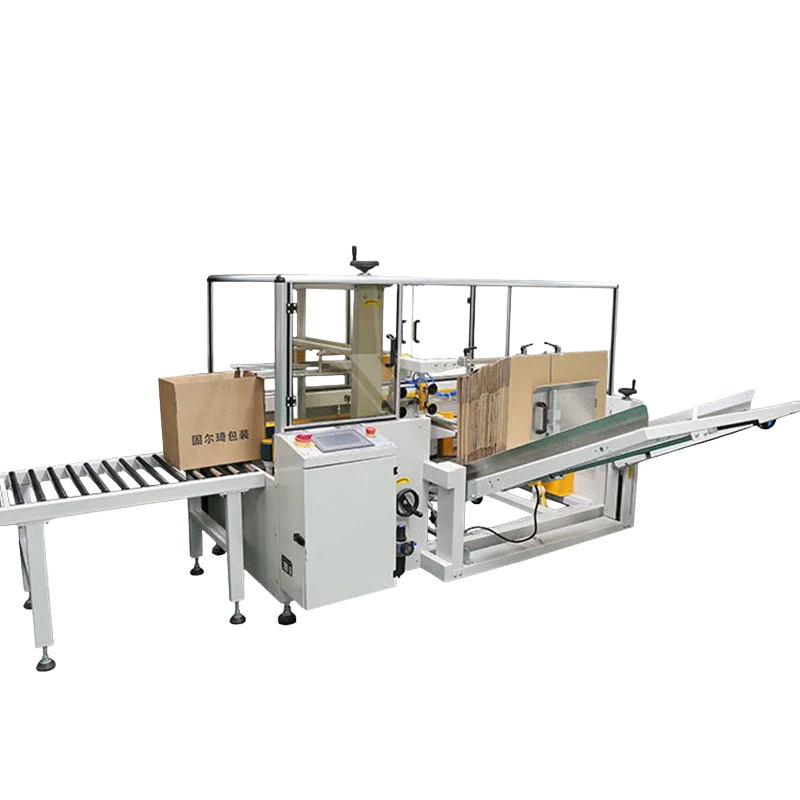
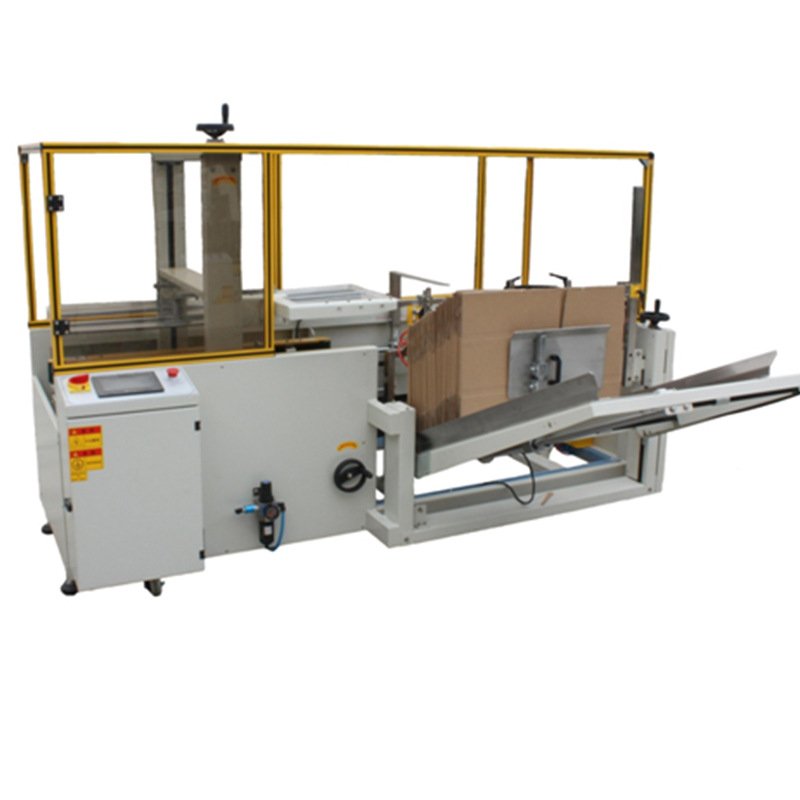
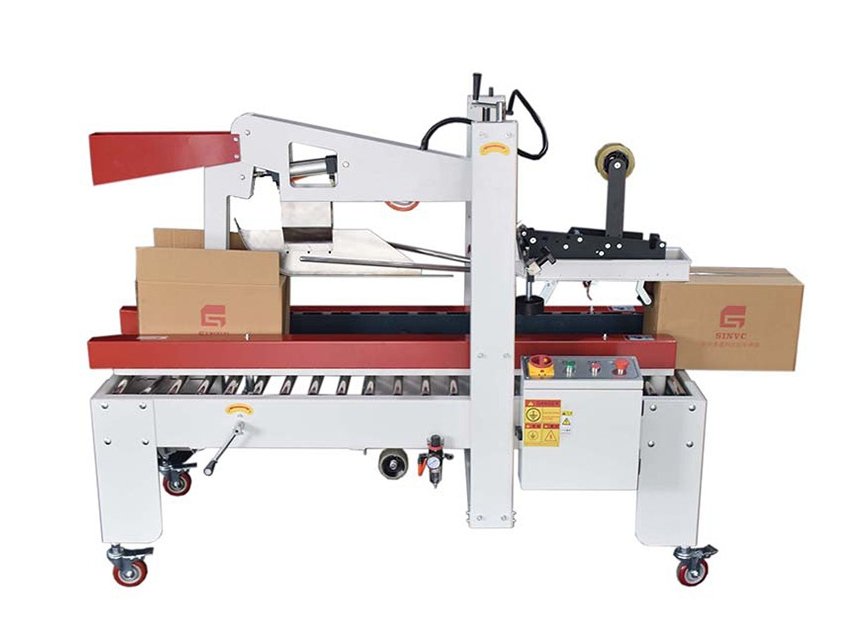
Types of Labeling Machines
Labeling machines come in different types. In general, some are designed for round bottles, while others work on flat surfaces. In addition, certain machines apply labels on a single side, while advanced models can label two sides of a product and also for top and bottom.
Two Side Labeling Machine
A labeling machine serves as a vital tool for many industries. Specifically, the two-sided labeling machine stands out as one of the most versatile options available today......
Liquid Piston Filling
A liquid piston filling machine is a vital piece of equipment in many industries and good news is that Foshan Popper....
Round Bottle Labeling Machine
Round bottle labeling machine is essential for many businesses, send us a quote for your business we are machinery ........
Labeling Machines
Types of Labeling Machines
Labeling machines come in different types. In general, some are designed for round bottles, while others work on flat surfaces. In addition, certain machines apply labels on a single side, while advanced models can label two sides of a product and also for top and bottom. Therefore, the right choice depends on the shape and style of packaging.
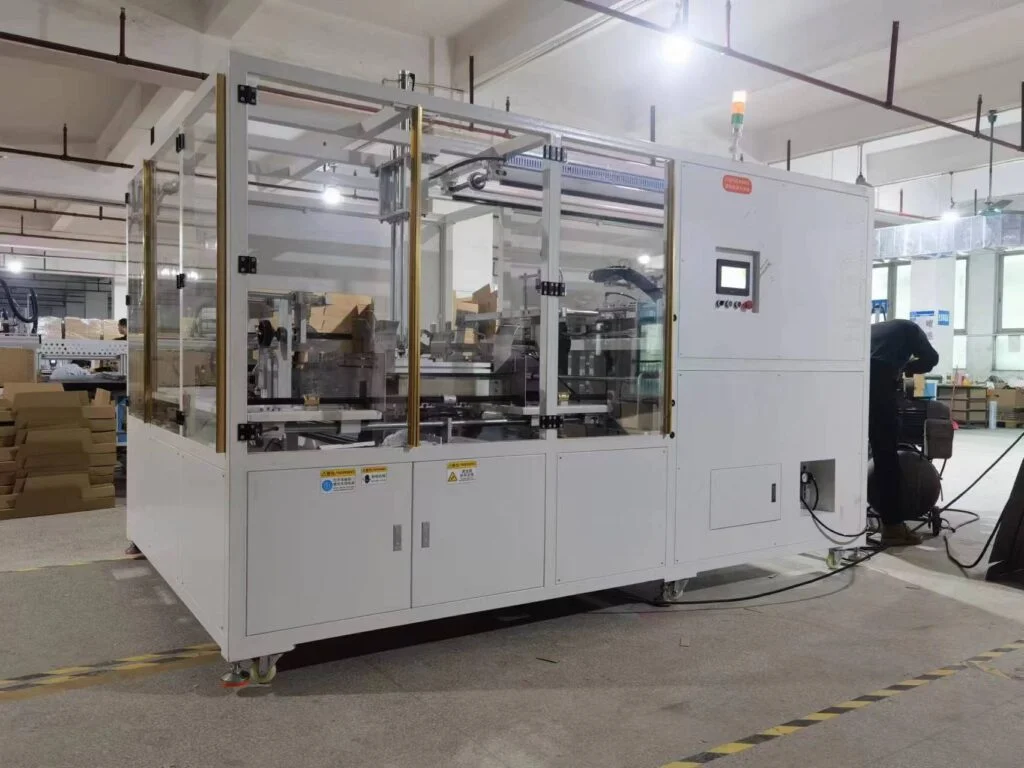
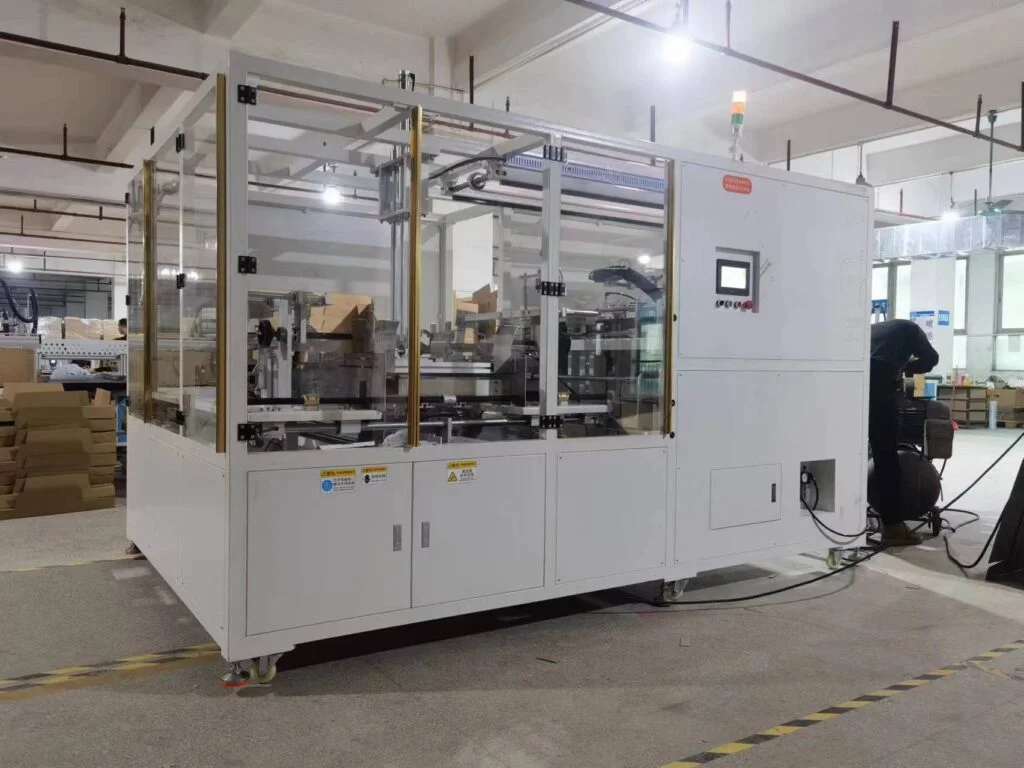
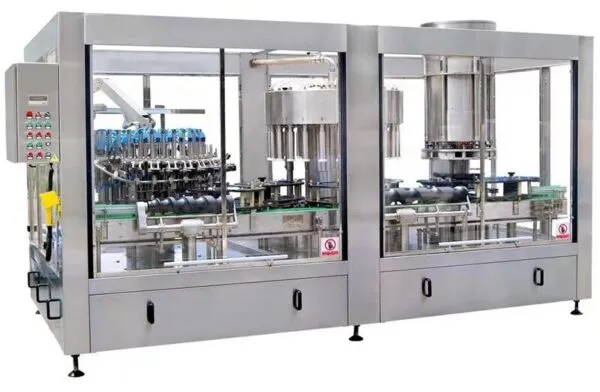
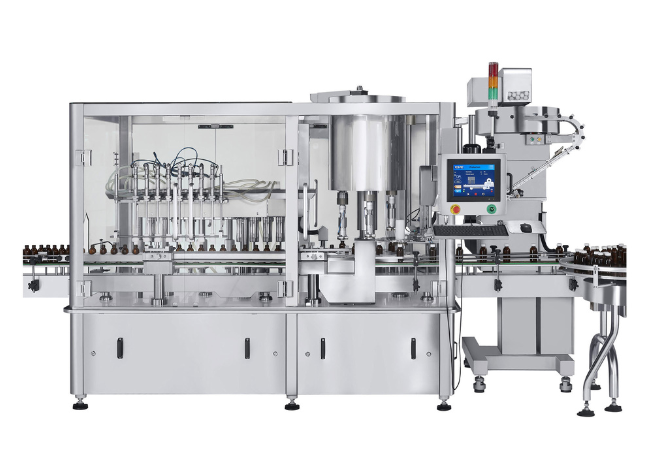
Applications of Labeling Machines
Discover how carton packaging machines improve efficiency, reduce costs, and support reliable packaging across multiple industries.
Applications of Labeling Machines
Filling machines are useful production tools because they help companies package different products with better speed, consistency, and control. Instead of relying only on manual filling, manufacturers can use these machines to move sauces, medicines, creams, chemicals, and other materials into the right containers in a more organized way. Their purpose is to support accurate filling, reduce delays, and keep packaging results more repeatable across daily production. Because many industries handle products with different textures, container sizes, and safety requirements, filling machines are designed to serve a wide range of packaging needs. This makes them important for businesses that want smoother workflow and reliable output.
Filling machines are used across many industries:
- Food Industry: Used to fill bottles and containers with sauces, syrups, and drinks. These products often need steady filling so each package receives the proper amount. Filling machines help keep the process faster, cleaner, and more consistent for food production.
- Pharmaceutical Industry: Used for filling capsules, vials, and bottles with medicine. This industry requires careful handling, accuracy, and hygienic filling conditions. Filling machines support a controlled process that helps maintain consistent packaging for different medicine formats.
- Cosmetics Industry: Used for packaging lotions, creams, and gels. These products can vary in thickness, so the filling process must remain smooth and controlled. Filling machines help cosmetic manufacturers package products cleanly while maintaining a consistent appearance.
- Chemical Industry: Used for filling chemicals, detergents, and cleaning solutions. These materials need careful packaging to reduce spills and improve handling safety. Filling machines help make the process more efficient, organized, and repeatable.
Across these industries, filling machines improve production by supporting accurate measurement, steady movement, and dependable container filling. They help businesses manage different products while maintaining quality and efficiency.
Fully Automatic Solutions
Packaging machines work best when they are connected as one complete production system. Instead of treating filling, labeling, sealing, carton packing, and pallet stacking as separate tasks, an automatic line allows each stage to support the next step smoothly. These machines can be integrated with other packaging machinery to create a complete automatic production line, and the good news is that we manufacture and supply these machinery for businesses that need a more organized, efficient, and accurate packaging process.
The filling machine fills bottles, jars, or bags with the product. This first step prepares each container for the next stage by placing the required product inside.
The labeling machine applies product labels immediately after filling. This helps ensure the product is properly identified and ready for presentation.
The capping machine seals the containers securely. This step helps protect the filled product and keeps the container closed during handling.
The cartoning machine packs labeled products into cartons. This makes the products easier to organize, store, and move through the production process.
The palletizing machine stacks cartons onto pallets for shipping. This final stage supports bulk handling and helps prepare cartons for transport.
This connected system increases production speed, reduces manual labor, and improves overall packaging accuracy by keeping the full process more controlled and repeatable.
Labeling machines are essential across many industries. They apply clear, accurate labels to products containing powders, liquids, or granules. When combined with machines like filling, capping, cartoning, and palletizing systems, they form a fully automatic solution that improves efficiency and prepares products quickly for the market. This complete setup helps manufacturers manage production with better timing, fewer manual steps, and a smoother workflow from filling to final shipment. It also keeps each packaging stage aligned so products move forward with greater consistency during regular manufacturing operations.
Working with Different Products
Labeling machines are important in packaging because they help products receive clear, accurate, and consistent labels before they move to storage, display, or delivery. Their versatility allows them to support many product formats, including bottles, containers, jars, pouches, bags, boxes, and other packaging types. Since different products require different labeling positions and surfaces, these machines help keep the process controlled and repeatable. Whether the product contains liquid, powder, or granules, the labeling stage supports identification, presentation, and organized handling. This makes labeling machines useful for manufacturers that need dependable packaging results across several industries and product categories. This steady application is especially useful when production includes multiple package types, because it helps labels stay aligned, readable, and properly placed while products continue moving through the packaging line with fewer interruptions and more dependable visual consistency during routine manufacturing schedules.
Labeling machines are versatile. As a result, they can handle:
Liquids: Such as drinks, oils, detergents, and cleaning solutions packed in bottles or containers. These products usually require labels that are placed clearly and securely on smooth packaging surfaces. A labeling machine helps apply the label in the right position so the product looks organized and ready for use, storage, or market presentation.
Powders: Including spices, chemicals, and food powders stored in jars, pouches, or bags. These packages may vary in size, shape, and material, so the labeling process needs steady control. Labeling machines help keep the label placement consistent, making the packaging easier to identify and more professional in appearance.
Granules: In the same way, grains, seeds, pellets, and other granular materials packaged in boxes or bags. These products also need clear labeling for identification and handling. By supporting different packaging styles, labeling machines help manufacturers maintain a smoother workflow and consistent product presentation across liquid, powder, and granular goods.
Need Help Choosing the Right Types of Labeling Machines
Ready to work with us?