
Filling Machines
Our filling machines are built for manufacturers that need the same fill weight in every container, shift after shift. Foshan Popper Machinery Co., Ltd. supplies manual, semi-automatic and fully automatic filling machines for liquids, powders, granules, sauces, creams, pastes, chemicals, cosmetics, food and pharmaceutical products, filling into bottles, jars, cans, pouches, tubes and cups. Each system is matched to your product viscosity, container format, fill volume and target output, so you hold consistent fill levels, cut product giveaway and keep the line running with fewer stoppages.
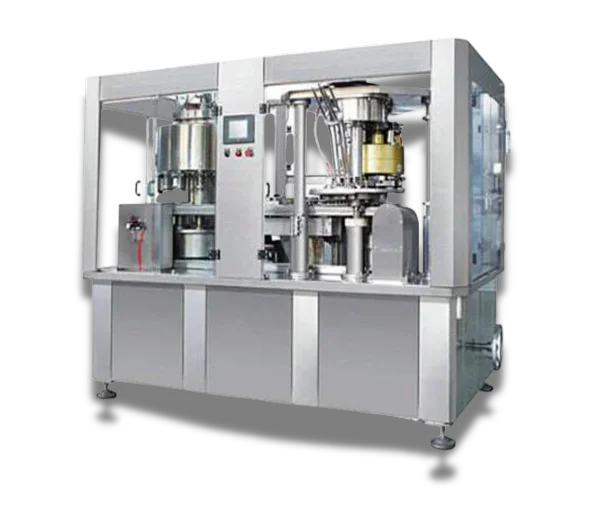
How a Filling Machine Works
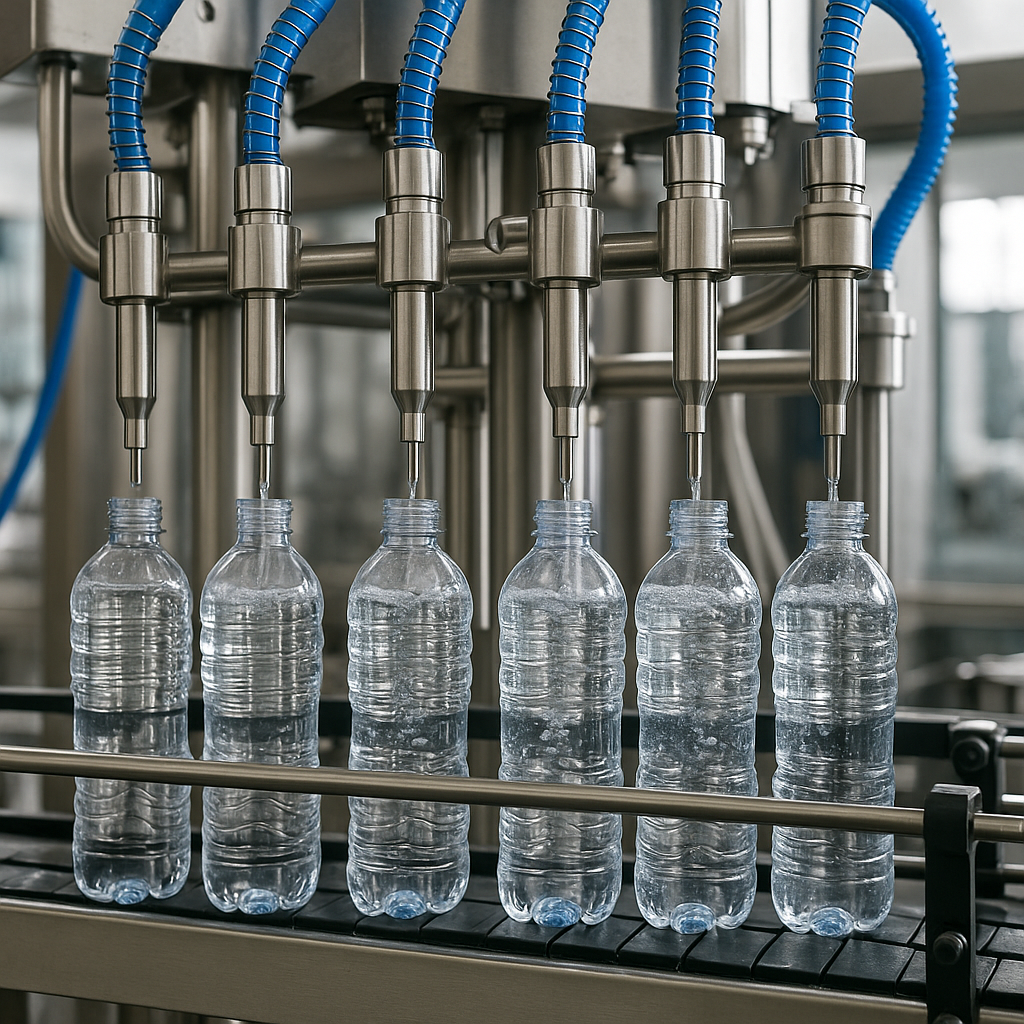
A filling machine measures a set quantity of product and dispenses it into a container, then hands that container on for capping, sealing, labeling or packing. Every machine runs the same four stages container infeed, metering, dispensing, discharge. What changes between machines is the metering method, and that single choice decides your accuracy.
Thin, free-flowing liquids are handled by gravity or pump filling. Viscous creams, sauces and pastes need piston or rotary-lobe filling with positive pressure behind the product. Free-flowing powders use auger (screw) metering, while granules and irregular solids are measured by volumetric cup or multi-head weigher. Foaming and carbonated liquids need bottom-up diving nozzles or counter-pressure filling so the product does not foam over during the cycle.
Matching the metering system to the product is what separates a machine that holds ±0.5% from one that gives product away on every cycle. Compare metering systems on our liquid filling machine, powder filling machine and granule filling machine pages.
Filling Machine Solutions for Different Products
Every product needs its own filling method. Thin liquids, thick creams, fine powders and solid granules each behave differently under a nozzle, so each needs a different metering system to fill accurately and stay clean. Our machines are built around your product type and container format, from a single semi-automatic filler to a fully automatic line.
Granule Filling Machine
Volumetric metering for sugar, salt, rice, seeds and pellets, with steady fill weights across long runs....
Liquid Filling Machines
A liquid filling machine helps your business fill oils, syrups, sauces, creams, gels, shampoos, detergents....
Powder Filling Machine
Auger dosing for fine and non-free-flowing powders into bottles, jars and pouches, with dust kept under control....
Filling Machines
Types of Filling Machines
Filling machines are grouped by the product they meter and the container they fill. These are the systems we build and the products each one suits:
- Liquid filling machine piston and pump metering for water-thin to medium-viscosity liquids: juices, oils, syrups, detergents, sanitisers and solvents.
- Powder filling machine auger metering with optional check-weighing for flour, spices, protein blends, pigments and pharmaceutical powders.
- Granule filling machine volumetric cup or weigher metering for sugar, salt, rice, seeds, pellets and granular chemicals.
- Sauce and paste filling machine piston filling with hopper agitation and heated jackets for ketchup, mayonnaise, jam, honey, creams and gels.
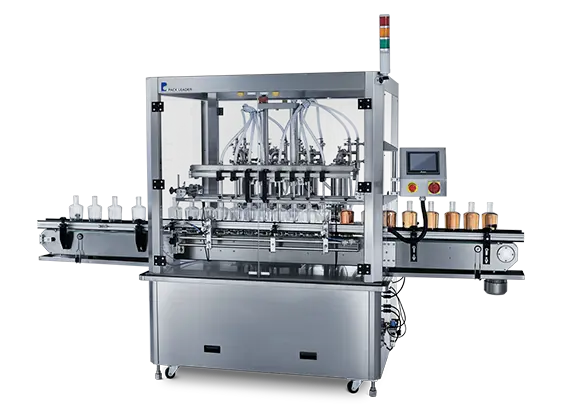
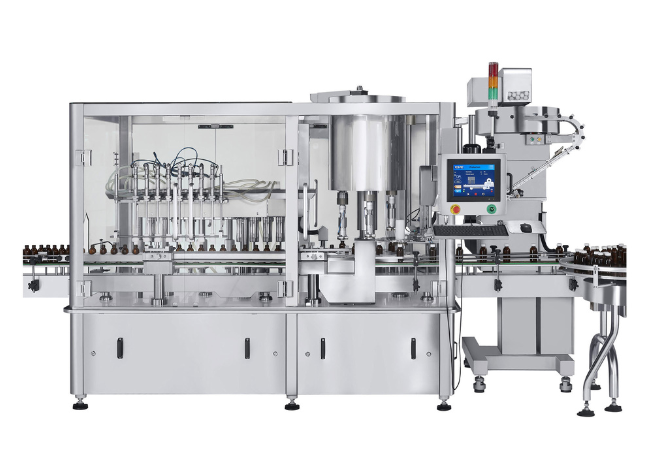
- Bottle filling machine inline or rotary systems configured around PET and glass bottle formats, commonly supplied as a filling, capping and labeling monobloc.
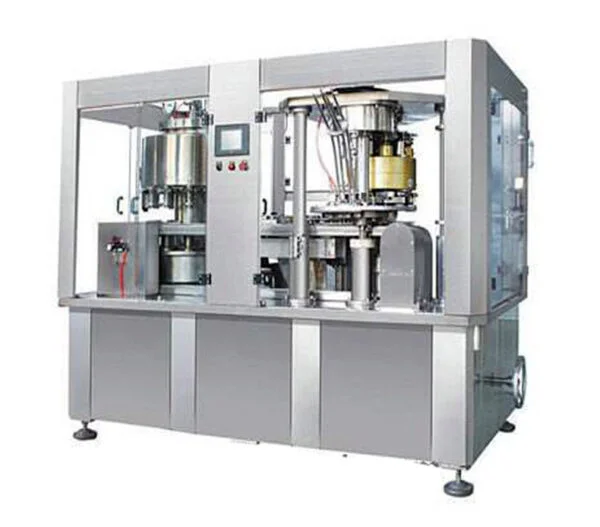
- Can filling machine counter-pressure filling and double-seam sealing for beer, soda, seltzers, juices and energy drinks in metal cans.
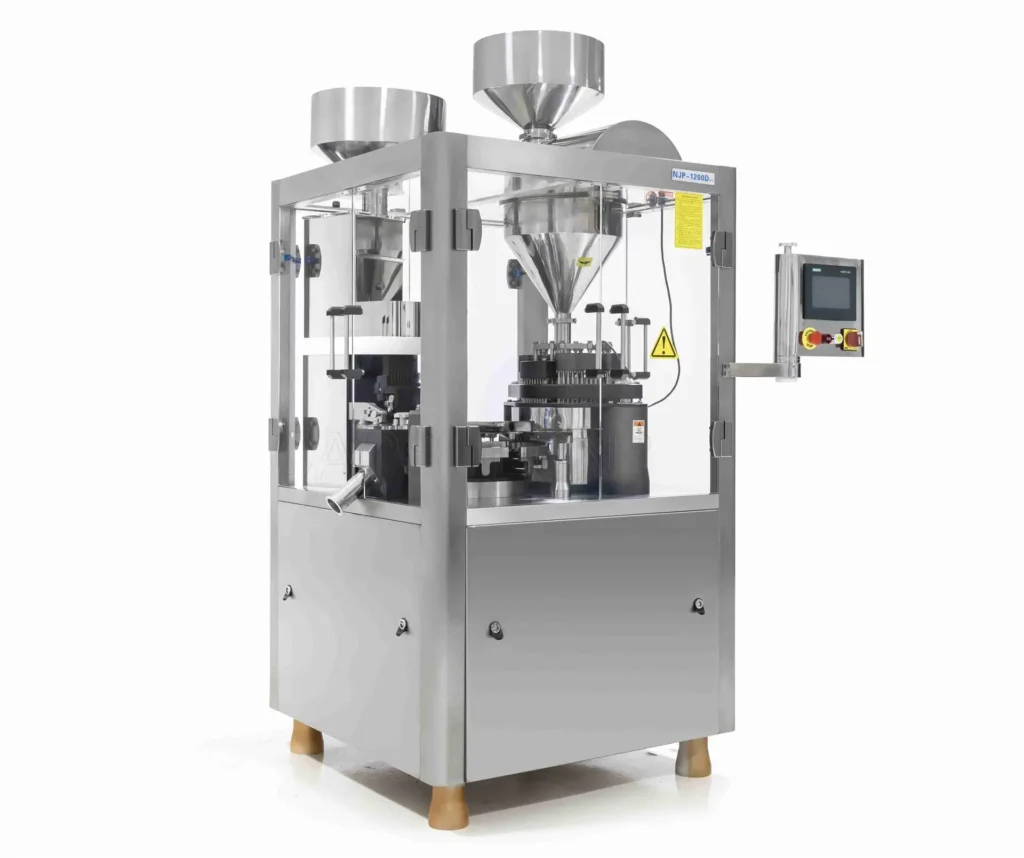
- Capsule filling machine and coffee capsule filling machine dosing powders and ground coffee into hard capsules and sealed pods.
- Tube sealing and filling machine fills and hot-air or ultrasonic seals plastic and laminate tubes for cosmetics, ointments and adhesives.
- Milk powder, wine filling machines and desktop filling machines product-specific and bench-scale builds for smaller runs and specialist formats.
Filled containers can move straight into a capping machine, labeling machine or packaging machine to complete the line.
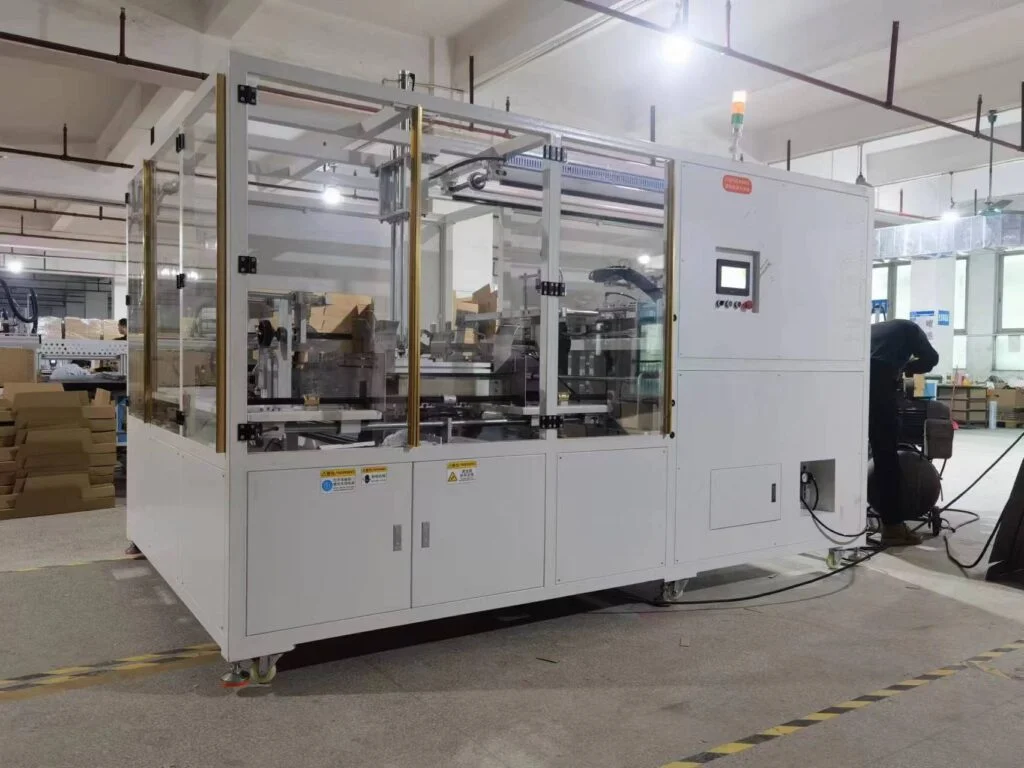
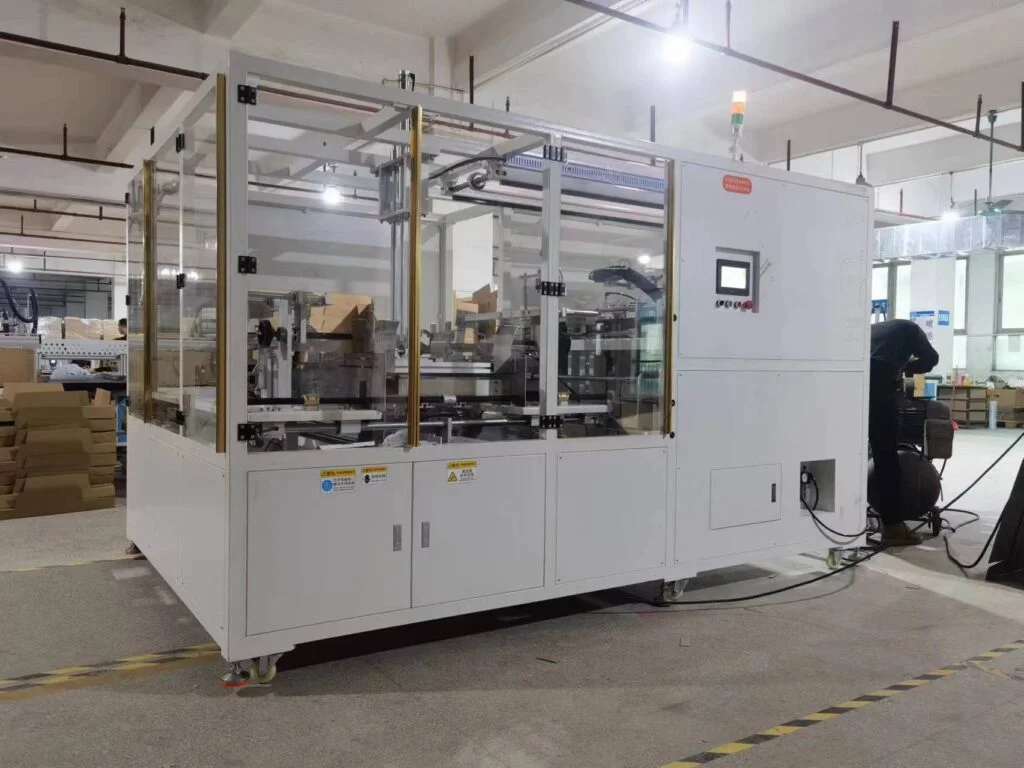
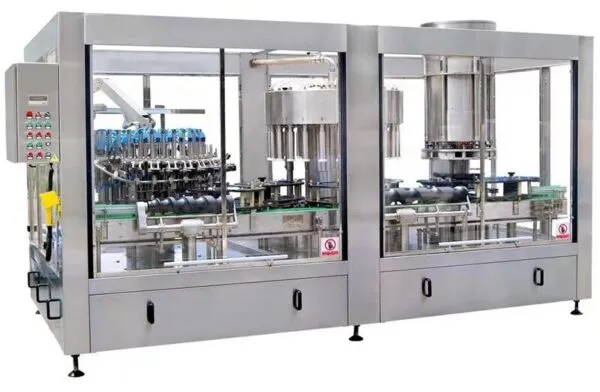
Filling Machine Price
There is no single filling machine price. Cost scales with automation level, number of filling heads, metering type, output speed and how much of the line you buy at once. Use the ranges below to set a budget, then request a quote for a figure against your product and container.
| Machine type | Automation | Indicative price (USD) |
|---|---|---|
Tabletop / single-head filler |
Manual |
$500 – $3,000 |
Semi-automatic piston filler (2–4 head) |
Semi-auto |
$3,000 – $12,000 |
Auger powder filler with weigher |
Semi-auto |
$4,000 – $18,000 |
Automatic inline liquid line (6–12 head) |
Automatic |
$15,000 – $60,000 |
Sauce / paste filling line |
Semi / Auto |
$5,000 – $40,000 |
Rotary monobloc: fill, cap, label |
Automatic |
$50,000 – $250,000+ |
Filling Machine Specifications
Typical operating ranges across our filling machine range. Exact values depend on the model and configuration quoted for your product.
| Specification | Range (confirm per model datasheet) |
|---|---|
Filling range |
e.g. 5 ml – 5,000 ml (larger volumes on request) |
Number of filling heads |
e.g. 1 / 2 / 4 / 6 / 8 / 12 |
Metering system |
Piston / pump / gravity / auger / volumetric cup / weigh-fill |
Filling accuracy |
e.g. ±0.5% – ±1% |
Output speed |
e.g. 20 – 200 containers per minute |
Container types |
Bottles, jars, cans, pouches, tubes, cups, pails |
Contact Materials |
SUS 304 / SUS 316 stainless steel, food-grade seals |
Control system |
PLC with touchscreen HMI, recipe storage |
Power supply |
e.g. 220V / 380V, 50–60 Hz |
Compressed air |
e.g. 0.6 – 0.8 MPa |
Machine dimensions |
L × W × H (mm), per model |
Certifications |
CE / ISO where applicable |
Why Choose Us as Your Filling Machine Manufacturer
A filling machine is a ten-year production asset, so the supplier matters as much as the specification. What separates reliable filling machine manufacturers is accurate metering under real production conditions, food-grade construction, honest output ratings and after-sales support that answers when a line is down.
Foshan Popper Machinery builds filling systems around your product, container and target speed rather than selling from a fixed catalogue. That includes metering selection, nozzle design for your viscosity, changeover parts for multiple container sizes, installation, operator training and spare-parts supply. We also plan complete lines filling, capping, labeling, conveying, cartoning and palletizing, so the stations are matched on speed instead of bottlenecking each other. Running a smaller operation? See our guidance on choosing a filling machine for small business.
Where Filling Machines Are Used Across Industries
Replaces the off-topic intro line. The live copy currently reads “Discover how carton packaging machines improve efficiency…” on a filling-machine page. Delete it.
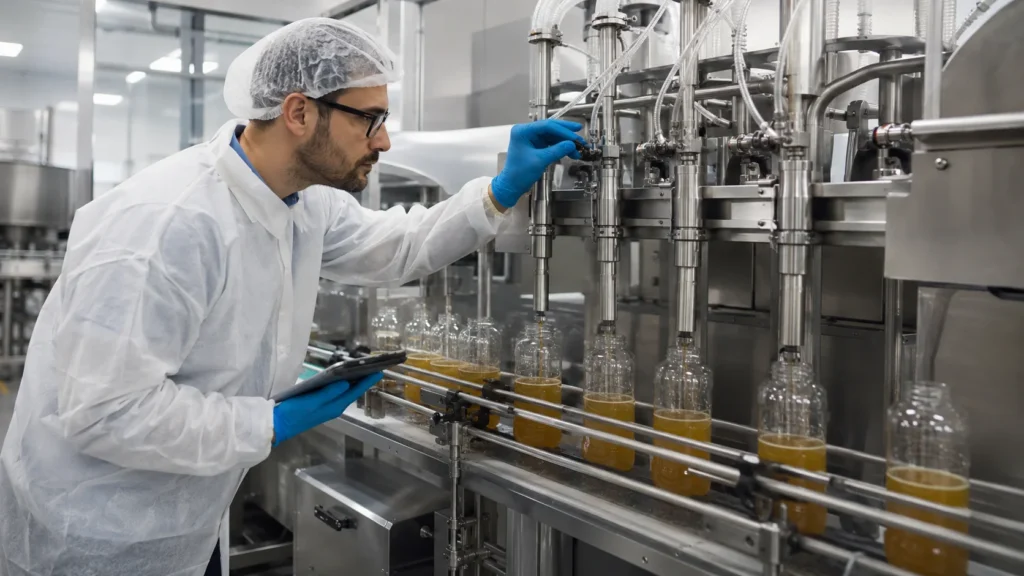
Filling machines handle repeated dosing work faster and more consistently than hand filling, and they do it while keeping the product enclosed. The machine configuration changes by industry; the requirement the right quantity in every container, cleanly does not.
- Food and beverage: sauces, syrups, oils, honey, juices and drinks, filled to a consistent level so every unit matches its declared weight.
- Pharmaceutical: vials, bottles and capsules where dose accuracy and hygienic, enclosed handling are non-negotiable.
- Cosmetics and personal care: lotions, creams, gels, serums and shampoos varied viscosities filled cleanly, without stringing or drip.
- Chemicals and home care: detergents, solvents, sanitisers and cleaning fluids, filled with the operator kept away from the product.
- Nutraceuticals: protein powders, supplement blends and capsules, auger-dosed with check-weighing to protect label claims.
- Agrochemicals and industrial fluids: lubricants, coolants and crop inputs into bottles, jerricans and pails.
Filled containers feed directly into a [packaging machine] for cartoning, shrink wrapping and palletizing building a complete line from filling to shipping.
Applications of Filling Machines
Discover how carton packaging machines improve efficiency, reduce costs, and support reliable packaging across multiple industries.
Why Manufacturers Move to Machine Filling
Hand filling holds up until volume arrives. Then fill weights drift between operators, giveaway climbs, and rework eats the margin. A filling machine fixes the measurement step: the same volume or weight is metered every cycle, so containers leave the station consistent and the downstream capping and labeling stations receive product they can handle at speed. The setup changes with product type, container size and output target, but the purpose is constant fill accurately, protect the product, and keep the line moving.
Building a Fully Automatic Filling Line
A filling machine rarely works alone. In a fully automatic line each station hands off to the next with no manual carrying between them:
- A capping machine seals the container immediately after filling, before the product is exposed.
- A labeling machine applies front, back or wrap labels for identification and shelf presentation.
- A cartoning machine collates finished units into shrink packs or cartons.
- A palletizing machine stacks cartons for bulk handling and dispatch.
The gain is not only labour. When stations are speed-matched and interlocked, a jam stops the line cleanly instead of producing scrap, and one operator can supervise a run that used to need four pairs of hands.
How Metering Mechanisms Control Accuracy
The metering mechanism measures product before it ever reaches the container, which is why it decides your accuracy and your giveaway:
- Liquids: piston metering displaces a fixed volume per stroke for tight repeatability; pump metering (gear, lobe or peristaltic) suits continuous flow and CIP-friendly layouts.
- Powders: auger metering turns a screw a set number of revolutions per dose; adding a check-weigher closes the loop and corrects drift as bulk density changes.
- Granules: volumetric cups or multi-head weighers measure by volume or weight, which handles irregular particle shapes that would bridge in an auger.
- Pastes and creams: piston filling with hopper agitation keeps thick product moving to the nozzle instead of bridging in the hopper.
Get the measurement stage right and everything after it sealing, labeling, packing becomes more stable, because every container arrives at the next station carrying the amount it should.
Choosing the Best Filling Machine
Five answers determine the machine: what the product is and how it flows, what container it goes into, the fill volume and tolerance you need, your target output per hour, and how much of the surrounding line you want automated now versus later. Send those five and we will specify a machine metering type, head count, changeover parts and line layout rather than quoting a catalogue number and hoping it fits.
Frequently Asked Questions
It comes down to your product, container and output. Thin liquids suit gravity or pump filling; creams and pastes need piston filling; powders need auger dosing; granules are metered volumetrically. Fill volume, container format and required speed then set the head count and automation level.
Yes, within a viscosity band. One piston filler can run several liquids or light creams with a recipe change and nozzle swap. Crossing categories liquid to powder, or thin liquid to thick paste normally needs a different metering system rather than a settings change.
Manual machines fill one container at a time with the operator positioning each one. Semi-automatic machines meter and dispense automatically while the operator loads and unloads. Automatic machines handle infeed, filling and discharge on a conveyor and are the practical choice above a few thousand units per shift.
An auger filling machine for free-flowing powders, or an auger plus check-weigher where the powder’s bulk density varies between batches. The weigher verifies each dose and corrects the auger, which protects fill accuracy and cuts overfill giveaway.
A tabletop filler starts around $500 – $3,000, semi-automatic piston fillers run $3,000 – $12,000, and automatic inline lines fall between $15,000 and $60,000. Rotary monobloc systems that fill, cap and label reach $250,000 and above. Configuration, head count and speed drive the figure.
Yes. Nozzle design, hopper type, head count, changeover parts, contact materials and control logic are all specified around your product, container range and factory layout. Send your product type, fill weight, container size and target output and we will recommend a configuration.
Need Help Choosing the Right Filling Machine?
Share your product type, fill weight, container size and production speed our team will recommend a suitable filling machine for your line.