
Roller Capping Machine
We manufacture roller capping machines at our factory in Foshan, China, for continuous inline screw capping at high throughput. Tell us your bottle, your closure and your target output in bottles per minute, and our engineers will specify the machine.
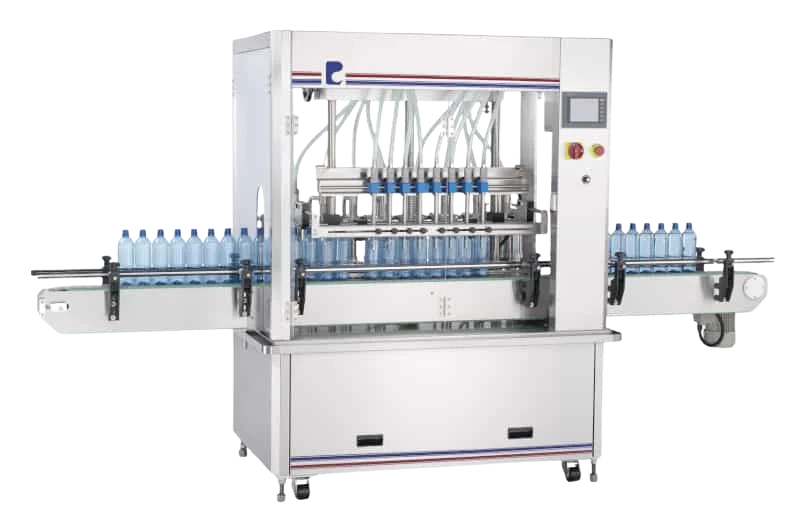
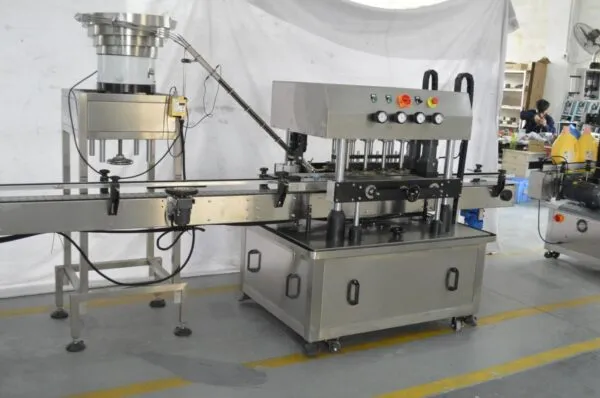
How a Roller Capping Machine Works
Bottles move continuously along the conveyor while gripper belts keep them upright and properly aligned. A cap feeder places the closure onto each bottle before it passes beneath a series of angled roller pairs positioned above the conveyor. As the bottle moves forward, each roller pair grips and rotates the cap progressively farther onto the thread until it is fully tightened.
The key feature of a roller capping machine is continuous motion. Bottles do not stop for indexing, no capping head moves down onto the bottle, and there is no dwell time for a chuck to engage and release. This allows roller capping machines to achieve higher throughput than chuck capping systems within a similar footprint, making them suitable for production lines where speed is a priority.
Capping torque is controlled through the roller gap, roller angle, and the speed difference between the rollers and conveyor. Once adjusted for a specific bottle and cap combination, these settings provide repeatable capping performance.
Roller Capping Machines
What You Get on a Popper Roller Capper
These are build features of the roller capping machines we manufacture and ship, not general features of every roller capper.
- Adjustable Roller Sets: Roller gap and angle are set for each bottle and closure combination, then saved so future changeovers require a reset rather than full recalibration.
- Gripper Belt Restraint: Gripper belts keep the bottle square and stable through the roller section. If the bottle rotates during capping, it can result in an undertightened cap.
- Cap Feeding Matched to Your Closure: The sorting bowl and chute are sized to your specific cap so each closure reaches the capping section in the correct orientation.
- Change Parts Included: Guide rails and belt spacing are supplied for every bottle format you plan to run, not only the initial bottle size.
- Runs Inline: Conveyor height, bottle pitch, and control signals are matched to the upstream filler and downstream labeler for inline integration.
- Tested on Your Bottle: Before shipment, we test the machine using your bottle and cap at the rated production speed and provide the test result.
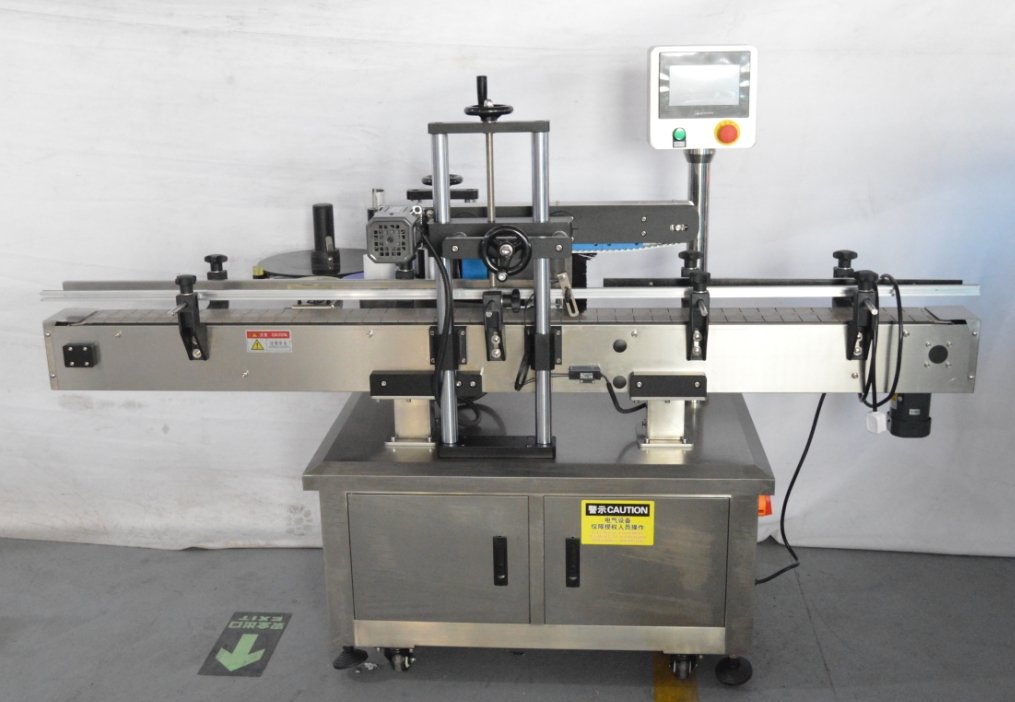
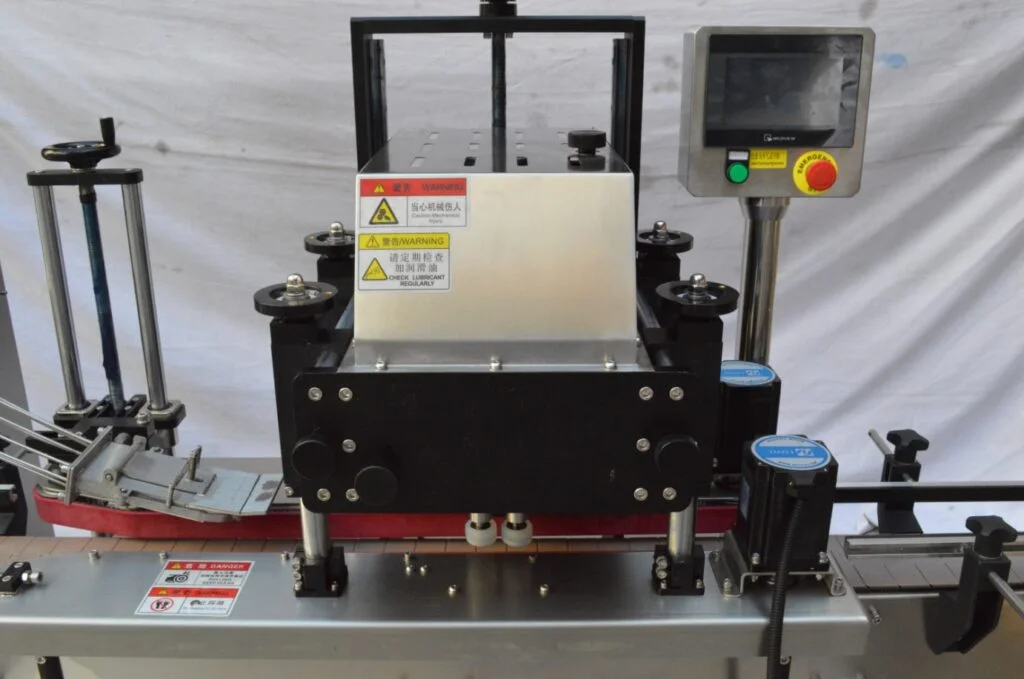
Roller Capping Machine Specifications
Specifications vary by bottle, cap, and required line speed. Final machine configuration is confirmed after reviewing your packaging format and target output.
| Parameter | Specification |
|---|---|
|
Model |
Automatic Inline Roller / Spindle Capping Machine |
|
Number of roller pairs |
3 pairs / 6 capping rollers |
|
Output rate |
40–150 bottles per minute, depending on bottle and cap format |
|
Cap diameter range |
20–120 mm |
|
Bottle diameter range |
35–140 mm, application dependent |
|
Bottle height range |
40–460 mm |
|
Torque range |
Application dependent; adjustable for each bottle and closure |
|
Capping success rate |
≥98% under validated bottle and cap conditions |
|
Cap feeding |
Elevator feeder or vibratory bowl with cap chute, matched to closure |
|
Conveyor speed |
Variable speed, synchronized to required line output |
|
Power supply |
AC 220 V / 50–60 Hz / approx. 1.6 kW |
|
Compressed air |
0.6–0.8 MPa |
|
Contact materials |
304 stainless steel; product/application-specific 316L available where required |
|
Machine dimensions |
Approx. 1060 × 900 × 1620 mm |
|
Machine weight |
Approx. 500 kg |
Roller, Chuck and ROPP Capping Compared
Choose the right capping system based on your closure type, required speed and torque control. Roller, chuck and ROPP cappers each suit different production needs and packaging formats.
| Feature | Roller (Spindle) Capper | Chuck Capper | ROPP Capper |
|---|---|---|---|
|
How it works |
Roller pairs spin the cap down onto the bottle thread |
A chuck descends, grips the cap and tightens it |
Rollers form the thread into a plain aluminium shell while applying the cap |
|
Motion |
Continuous; the bottle keeps moving |
Indexing; the bottle normally stops beneath the capping head |
Typically indexing |
|
Speed |
Best suited to high-throughput continuous lines |
Moderate, depending on the number of heads and configuration |
Moderate, depending on machine configuration |
|
Torque control |
Adjusted through roller pressure, gap and speed settings |
Controlled through clutch, pneumatic or servo settings; suitable for precise torque control |
Controlled mainly through rolling-head pressure and setup |
|
Best suited for |
Standard screw caps, trigger pumps and high-volume production |
Applications requiring tighter torque control, verified closures and pharmaceutical packaging |
ROPP aluminium closures used for spirits, wine, edible oil and pharmaceutical products |
|
Less suitable for |
Applications requiring an individually verified torque value on every bottle |
Very high-speed continuous production where spindle capping is more practical |
Closures other than compatible ROPP aluminium shells |
Where Roller Capping Fits
Discover how roller capping machines provide secure, consistent cap sealing, improve packaging speed, and support reliable production across beverage, food, pharmaceutical, cosmetic, and chemical industries.
| Closure | Runs on a Roller Capper? | Notes |
|---|---|---|
|
Standard screw cap |
Yes — the primary application |
Suitable for plastic and metal screw closures on round bottles |
|
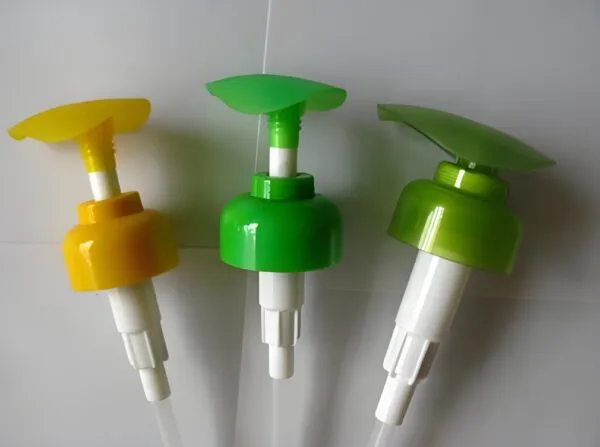
Trigger spray and pump |
Yes, with orientation |
The trigger or pump must be correctly oriented before entering the roller section |
|
Sports and flip-top caps |
Yes |
Commonly used for water, beverage and personal-care packaging |
|
Snap-on cap |
No |
Applied with downward pressure and requires a press-style capping head |
|
ROPP shell |
No |
Requires a dedicated forming head to shape the aluminium closure onto the bottle |
Roller capping machines are well suited to beverage and bottled water lines using standard screw caps, especially where high throughput is required. They are also commonly used for household and cleaning products with trigger sprays, personal-care products with flip-top or pump closures, and edible oils and sauces using screw caps.
They are less common in pharmaceutical applications, where precise, recorded torque control is often required and servo chuck capping systems may be preferred.
- We manufacture. Built and tested at our own facility in Foshan.
- We test your closure. Send a bottle and a cap, and we confirm the roller setting and the cap feeding before quoting.
- We build the line either side. Fillers upstream, labelers downstream, matched on conveyor height and bottle pitch.
- Change parts supplied. For every bottle and closure format you run.
Running Inline With Your Filler and Labeler
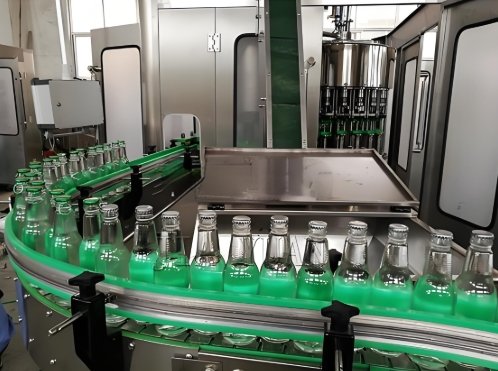
A roller capping machine is designed for continuous inline operation, so it is typically integrated into a complete packaging line rather than used as a standalone machine. Upstream, it can connect with our bottle filling machines and liquid filling machines. Downstream, it can feed directly into labeling machines and other packaging machines.
If you are comparing different capping systems, see our full range of capping machines. For a broader explanation of capping equipment and how it works, read our guide on what a capping machine is.
Frequently Asked Questions
A capping machine that tightens screw closures using angled roller pairs set above a moving conveyor, rather than a chuck that descends onto each bottle. The bottle never stops, which is what makes it faster than chuck capping. It is also sold as a spindle capper or a continuous motion capper.
A chuck capper stops each bottle, descends, grips the cap and tightens it to a set torque. A roller capper spins the cap down as the bottle passes without stopping. Chuck capping gives more precise torque control; roller capping gives higher throughput. Servo capping machines are the option where torque must be recorded per bottle.
No, though both use rollers. A roller capper tightens an existing threaded cap. A ROPP capper forms a thread into a plain aluminium shell as it caps, creating the thread and tamper band in one operation. They are different machines for different closures.
What is a roller capping machine?
Torque is set by the gap and angle between roller pairs and by the speed differential against the conveyor. Once set for a bottle and cap combination it repeats across the run.
Yes, with an orientation station before the roller section so the trigger faces the right way before it is tightened. Specify this at enquiry stage, because it changes the infeed build.
No. Snap-on caps are applied by downward force rather than rotation and need a press head. Tell us your closure type at enquiry and we will specify the right machine from our capping machines range.
Usually the bottle rotating in the gripper belts rather than the roller setting. A bottle that turns under the rollers takes less thread engagement than one held square. Belt tension and guide rail spacing are the first things to check.
Need a Roller Capping Machine?
Send us your bottle, closure type, and target output in bottles per minute. We will confirm the roller setup and cap-feeding configuration using your sample, then provide the recommended machine specification and pricing. Contact us or email info@fillingmachinepp.com.