
Automatic Tube Filling and Sealing Machine
A tube filling and sealing machine is designed to fill creams, gels, pastes, ointments, sauces, adhesives, and other semi-liquid products into plastic, laminated, or aluminum tubes with accurate dosing and secure sealing. It is widely used in cosmetics, pharmaceutical, food, chemical, and personal care production lines. Foshan Popper Machinery Co., Ltd. provides reliable tube filling and sealing solutions for different production needs. Compared with general filling machines, this machine is specially built for tube packaging, helping manufacturers improve filling accuracy, reduce leakage, and achieve a clean finished tube appearance.
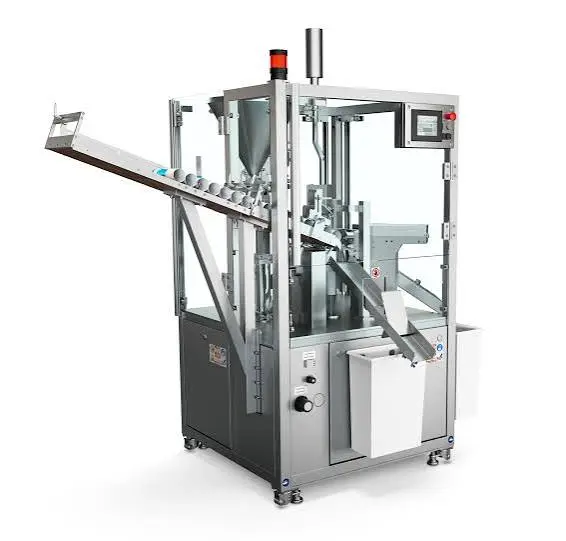
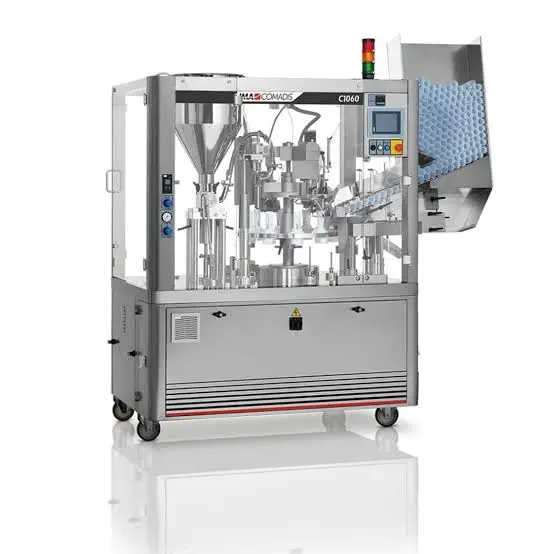
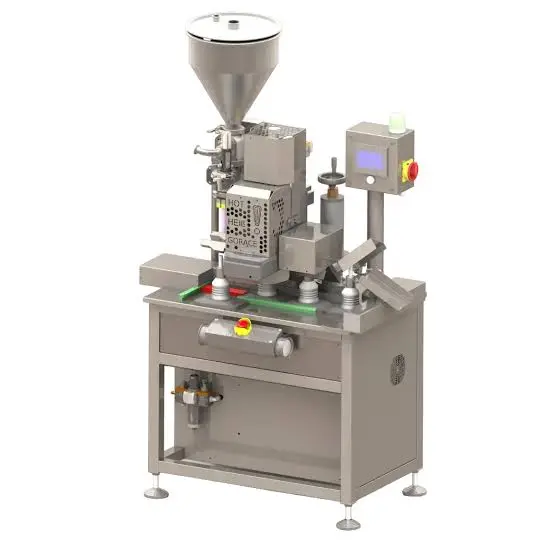
High-Accuracy Tube Filling for Creams, Gels and Pastes
Our tube filling and sealing machine can handle different product viscosities, from smooth liquids to thick creams and pastes. For low-viscosity products, the filling system can be configured similar to a liquid filling machine, while thicker products such as sauces, gels, and creams can use filling technology similar to a sauce filling machine. This flexibility makes the machine suitable for toothpaste, face cream, ointment, lotion, hair color, glue, sealant, food paste, and cosmetic gel packaging.
Tuble Filling Machines
Complete Tube Filling and Sealing Solution
A tube filling and sealing machine completes the main tube packaging process in one organized workflow, including tube loading, tube positioning, product filling, sealing, coding, trimming, and finished tube discharge. This helps improve production speed, reduce labor work, and maintain consistent packaging quality.
For factories that also package products in bottles or containers, this machine can work alongside a bottle filling machine to support multiple packaging formats in one production facility.
Applications of Tuble Filling Machines
Tube filling and sealing machines are suitable for industries that require accurate filling, clean tube packaging, and strong sealing performance for semi-liquid and paste products.
Tube filling and sealing machines are used for products that need accurate filling, clean tube packaging, and secure sealing. These machines are ideal for cosmetics, pharmaceuticals, food pastes, chemicals, and personal care products.
Common applications include toothpaste, face cream, ointment, lotion, sunscreen, hair color, shampoo samples, mayonnaise, mustard, honey paste, glue, silicone, adhesive, and sealant.
For manufacturers handling different product formats, tube filling equipment can work together with other filling machines to support bottles, tubes, jars, and containers in one production setup.
The filling system is selected according to the product thickness and filling volume. For smooth and low-viscosity products, the machine can use filling technology similar to a liquid filling machine. For thicker products such as creams, gels, sauces, ointments, and pastes, the machine can be configured with filling technology similar to a sauce filling machine.
This helps improve filling accuracy, reduce dripping, control product waste, and keep every tube clean before sealing. The machine can be adjusted for different tube sizes, product types, and production speeds.
A tube filling and sealing machine completes the key packaging steps in one smooth workflow. The process includes tube loading, tube positioning, product filling, tube sealing, coding, trimming, and finished tube discharge.
After the tubes are filled and sealed, they can be prepared for final packing using packaging machines. If the same factory also fills products in bottles or containers, a bottle filling machine can be added to support different packaging formats.
This setup is useful for manufacturers that need flexible production for both tube and bottle packaging lines.
A tube filling and sealing machine can be part of a complete packaging line. After filling and sealing, products may need labeling, capping, wrapping, carton packing, or final shipment preparation.
For product branding and identification, a labeling machine can be used on bottles, containers, cartons, or outer packaging. For bottle-based products, capping machines help complete the closing process. For final product protection and retail-ready packaging, a shrink wrap packaging machine can also be added.
This gives manufacturers a complete solution from product filling to final packaging.
Need a Tube Filling and Sealing Machine for Your Production Line?
We manufacture and supply tube filling and sealing machines for creams, gels, pastes, ointments, sauces, and adhesives. Share your product details, and our team will recommend the right machine for your production line.