In today’s fast-paced manufacturing world, efficiency is key. Production lines must operate smoothly to meet demand and maintain quality.
Filling machines and packaging machines are vital tools in achieving this efficiency. They automate processes, reducing manual labor and minimizing errors.
These machines come in various types, each designed for specific tasks. From liquid to powder, they handle diverse products with precision.
Packaging machines, on the other hand, ensure products are securely wrapped and ready for distribution. They enhance product safety and presentation.
Integrating these machines into your production line can transform operations. They boost output, reduce costs, and improve consistency.
Advanced technology in these machines offers customizable solutions. This allows businesses to tailor operations to their unique needs.
Understanding the capabilities of filling and packaging machines is crucial. It helps manufacturers make informed decisions to optimize their production lines.
Introduction to Filling and Packaging Machines
Filling machines are essential in production lines for their ability to automate the filling process. They are designed to handle different viscosities and volumes efficiently. These machines ensure precise measurements, reducing material waste and saving costs.
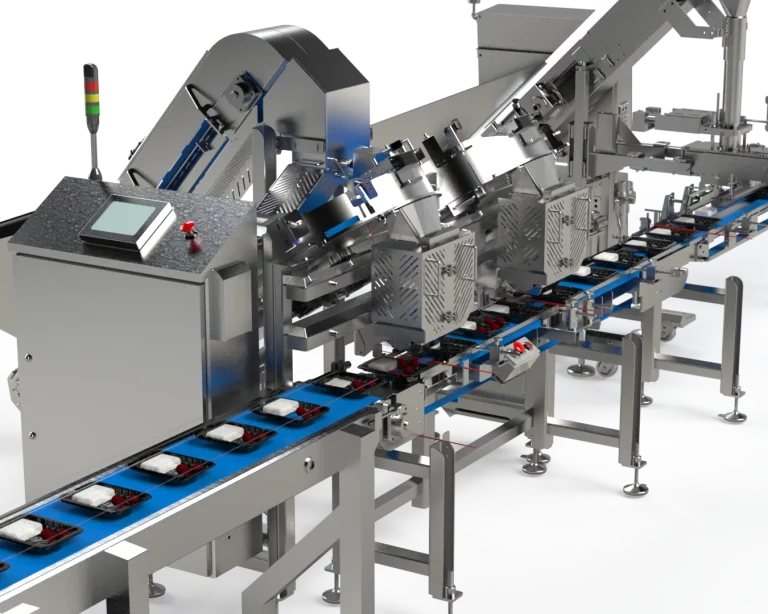
Packaging machines complement filling machines by securing the product for distribution. They come in diverse forms, including shrink wrapping machines, form fill seal packaging machines, and others. Each type caters to specific packaging needs, offering versatility across various industries.
The evolution of these machines over the years has led to advanced features and capabilities. Modern filling packaging machines integrate technology to offer greater precision, speed, and flexibility. This adaptability allows them to meet the demands of rapidly changing markets.
Key benefits of using filling and packaging machines include:
- Increased Efficiency: Automation speeds up production and reduces manual errors.
- Enhanced Product Safety: Secure packaging protects products during transit.
- Cost Savings: Minimized wastage and labor costs lead to higher profitability.
By incorporating these machines, businesses can streamline their production processes. This results in a more efficient operation that meets both quality standards and consumer expectations.
Types of Filling Machines
Filling machines come in various types, each designed for specific tasks and product characteristics. Choosing the right one depends on the product’s viscosity, volume, and production requirements. Key types include volumetric, gravimetric, and liquid filling machines, each offering unique benefits to the production process.
Machine type | How it measures | Best suited for | Key strength |
Volumetric | By volume, a set amount per fill | Powders, granulated and dry bulk products with consistent texture | Repeatable portion control and low product loss |
Liquid | By volume or level, tuned to flow | Thin to thick liquids in bottles and containers | Handles a wide viscosity range with minimal spillage |
Gravimetric | By weight, each fill is weighed | Products with varying densities or strict weight specs | Highest weight accuracy and regulatory compliance |
Volumetric Filling Machines
Volumetric filling machines are designed to dispense precise volumes of product. They are best suited for products with consistent textures, like powders and granulated materials. These machines ensure repeatable accuracy, minimizing wastage and optimizing efficiency in the process.
Main features of volumetric filling machines include:
- Consistent portion control
- Ideal for dry and bulk products
- Reduces product loss and improves cost efficiency
Liquid Filling Machines
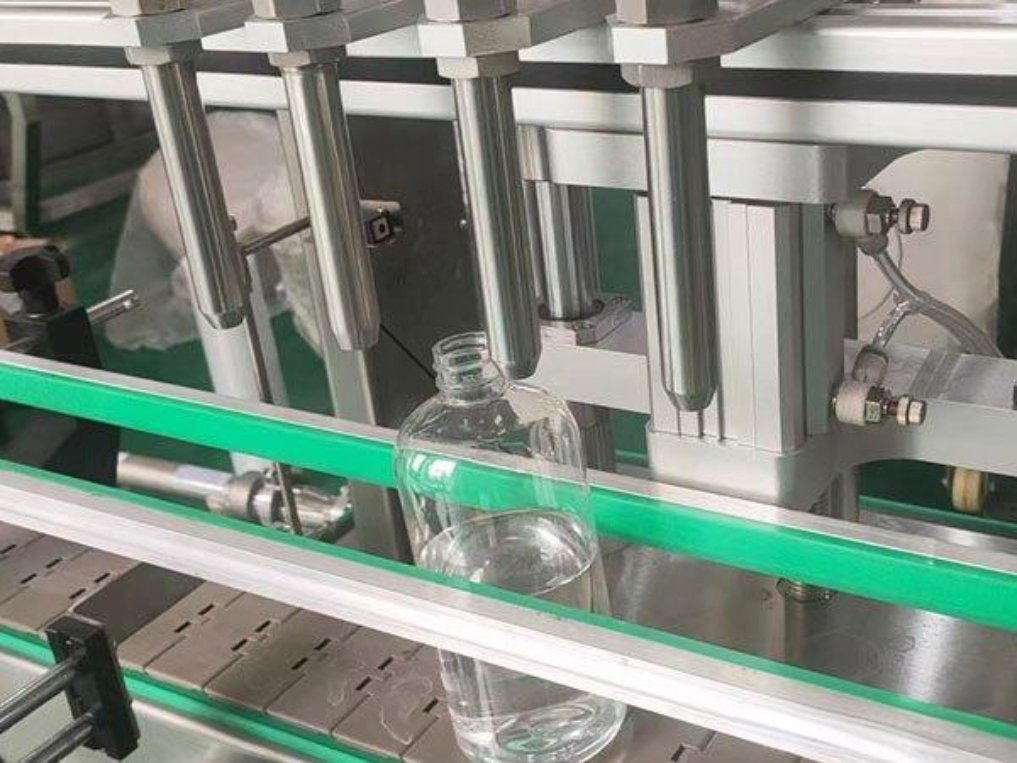
Liquid filling machines are essential for managing products with different flow characteristics. They handle a variety of liquids, from thin to thick, ensuring precise filling and sealing in bottles or containers. This type of machine is particularly popular in the beverage, pharmaceutical, and cosmetic industries.
Benefits of liquid filling machines:
- Accommodates a wide range of viscosities
- Enhances productivity with consistent outputs
- Mitigates spillage and loss during packaging
Gravimetric Filling Machines
Gravimetric filling machines work by weight, measuring each fill to ensure maximum accuracy. They are ideal for products with varying densities or that require strict adherence to weight specifications. These machines are common in the food industry and other sectors where precision is vital.
Key advantages of gravimetric filling machines include:
- Accuracy in weight measurement
- Flexibility for different product types
- Ensures packaging compliance with regulatory standards
Filling Machines in Specialized Industries
Each industry has unique needs, and filling machines cater to these diverse demands. For instance, cheese filling packaging machines are designed for dairy products, ensuring they remain fresh and uncontaminated. Meanwhile, powder filling machinery is tailored to handle granular and powdered products efficiently.
Semi-Automatic and Automatic Options
Filling machines are available in both semi-automatic and fully automatic configurations. Semi-automatic machines offer a balance of manual control and automation, ideal for smaller operations. Fully automatic systems, however, maximize throughput and minimize human intervention, perfect for large-scale production lines.
Customizable and Flexible Solutions
Filling machines provide customizable solutions to meet various production needs. The ability to adapt to different packaging formats, sizes, and materials makes them highly flexible. This versatility allows businesses to remain competitive and meet consumer demands swiftly and efficiently.
Packaging Machine Innovations
The evolution of packaging machines has brought about significant innovations that transform how products are packaged. Modern machines are designed for flexibility, efficiency, and sustainability. This section highlights some of the cutting-edge developments in packaging technology.
Automated Solutions and Robotics
Incorporating robotics into packaging solutions has revolutionized production lines. Robots offer precision and speed, enhancing product handling and reducing errors. Automated systems can be customized to perform complex tasks with minimal human intervention.
Key benefits of robotic packaging solutions include:
- Increased production speed and accuracy
- Reduced operational costs and labor requirements
- Improved consistency and product quality
Flexible Packaging Machinery
Flexible packaging machinery allows for versatility in handling various shapes and sizes. This adaptability is particularly beneficial in industries with diverse product lines, such as food and consumer goods. These machines can switch between different packaging types without lengthy downtimes.
Advantages of flexible packaging machinery:
- Quick changeover capabilities
- Supports a wide range of packaging materials
- Scales easily to accommodate production demands
Sustainable Packaging Technologies
Sustainability is a growing concern for businesses and consumers alike. Innovations in packaging technology focus on reducing environmental impact. Machines now use eco-friendly materials and processes to minimize waste and carbon footprints.
Environmental benefits of sustainable packaging:
- Uses recyclable or biodegradable materials
- Reduces resource consumption
- Enhances brand reputation and consumer loyalty
Integration of Digital Technologies
Digital technologies, such as IoT and AI, have become integral to modern packaging solutions. These innovations allow for real-time monitoring and predictive maintenance, ensuring machines operate at peak efficiency. Companies can reduce downtime and ensure quicker response times to potential issues.
Core features of digital packaging technologies:
- Real-time data analysis for improved decision-making
- Predictive analytics for proactive maintenance
- Enhanced traceability and quality control
Customizable and Adaptive Systems
Today’s packaging machines are designed to be highly customizable. Businesses can adjust machines to meet specific production needs, offering tailored solutions. This adaptability ensures that packaging is aligned with market trends and consumer preferences.
The perks of adaptive packaging systems:
- Tailored configurations to suit product requirements
- Flexibility to incorporate new materials and methods
- Meets shifting consumer demands promptly
These innovations showcase the dynamic changes occurring within the packaging industry. Embracing these technologies equips manufacturers with the tools to enhance operational efficiencies and respond to evolving market challenges. As packaging demands continue to grow, these advancements offer businesses a competitive edge.
Integrating Filling and Packaging Solutions
Integrating filling and packaging solutions within a production line offers numerous advantages, such as streamlined operations and cost savings. When these systems work in unison, they can optimize production workflows and minimize bottlenecks. This harmony between machines ensures a smoother and more efficient manufacturing process overall.
Benefits of Integration
The integration of filling and packaging solutions can lead to significant operational improvements. By aligning these systems, manufacturers can achieve greater synchrony in production tasks. This alignment allows for seamless transitions from filling to packaging, reducing delays and increasing throughput.
Key benefits include:
- Enhanced production speed due to coordinated systems
- Reduced labor costs with automated processes
- Lower error rates leading to higher product quality
Enhancing Production Flexibility
Integrating these systems also boosts production flexibility. Businesses can adjust quickly to changes in product demand or configuration without incurring significant downtime. Integrated systems can be programmed to handle various products, sizes, and specifications with ease.
Production flexibility advantages:
- Fast adaptation to changing market demands
- Capability to handle diverse product ranges
- Simplified changeovers between product lines
Considerations for Successful Integration
Successful integration requires careful planning and consideration of the existing production environment. Manufacturers need to evaluate system compatibilities, potential upgrades, and workflow synchronization to ensure seamless operation. Adequate training for staff and maintenance schedules are also crucial.
Factors to consider for integration:
- Compatibility of existing equipment and new systems
- Staff training for optimized operation
- Regular maintenance to ensure system efficiency
The Role of Technology in Integration
Technology plays a pivotal role in successful system integration. Digital tools and platforms can facilitate communication between different machines, enhancing operational transparency. Real-time data analytics offer insights that help in optimizing and fine-tuning processes for maximum efficiency.
Technological integration benefits:
- Improved machine communication and operation visibility
- Access to real-time data for immediate decision-making
- Advanced analytics for process optimization
Integrating filling and packaging solutions offers a pathway to significant production line improvements. By aligning these functions, manufacturers can enhance their operations, reduce costs, and respond faster to market changes. This integration is an essential step toward achieving a modern, efficient, and adaptable production environment.
Enhancing Production Efficiency
Optimizing production efficiency remains a crucial goal for manufacturers. Filling and packaging machines play an integral role in achieving this objective. By minimizing waste and maximizing output, these systems can significantly boost production line performance.
The key to enhancing efficiency lies in automation and precision. Automated systems reduce reliance on manual labor, decreasing the likelihood of human error. Precision in machine operations ensures that products are filled and packaged accurately, maintaining consistent quality across all units.
Key Strategies for Efficiency Improvement
There are several strategies manufacturers can adopt to enhance production efficiency. These approaches focus on leveraging technology and optimizing processes to improve overall system performance.
Key strategies include:
- Implementing automated packaging solutions to reduce manual interventions
- Utilizing high-speed filling machines for increased production rates
- Conducting regular maintenance to avoid unplanned downtime
- Embracing flexible packaging machinery to accommodate diverse products
These strategies help manufacturers achieve smoother operations, minimizing disruptions and enhancing throughput.
The Impact of Technology on Efficiency
Advancements in technology drive significant improvements in production efficiency. Modern machines can be integrated with digital tools that monitor system performance, identify inefficiencies, and recommend adjustments. These enhancements help in maintaining peak operational capacity and maximizing productivity.
Technological innovations such as IoT integration allow real-time tracking and remote monitoring. With such technology, managers can quickly respond to issues, ensuring little to no impact on production schedules.
The Role of Continuous Improvement
Continuous improvement is vital for sustained efficiency in production lines. Regular evaluations and process audits help identify areas for refinement. By fostering a culture of ongoing enhancement, manufacturers can stay competitive and responsive to industry changes.
Emphasizing continuous improvement involves:
- Periodic performance assessments to identify bottlenecks
- Staff training programs to enhance operational skills
- Implementing feedback loops for process optimization
Through these measures, businesses can ensure they are operating at optimal efficiency, driving profitability and growth.
Filling and Packaging Machine Price Guide
Price depends far more on automation level, output, and build than on the machine name alone. Use the table below to compare quotes on a like-for-like basis.
Tier | Typical output | What drives the price | Estimated price |
Desktop / manual | 5 to 20 containers per minute | Single head, no conveyor, minimal controls | $500 to $1,500 |
Semi-automatic | 20 to 60 containers per minute | Number of heads, dosing type, frame size | $1,500 to $15,000 |
Automatic | 60 to 300+ containers per minute | Head count, conveyor, sensors, PLC controls | $8,000 to $80,000+ |
Complete filling line | Full-line production | Machine count, integration, line speed | $25,000 to $150,000+ |
Costs beyond the purchase price include shipping, installation, change parts, spares, and training, which typically add 20 to 35 percent to the machine price, so the lowest quote is rarely the lowest total cost of ownership. For a full breakdown by machine type, see our filling machine price and cost guide. Prices are indicative for 2026 and quoted ex-works; contact us for a current quote on your exact configuration.
Conclusion
Filling and packaging machines are pivotal in transforming production lines. They ensure efficient, fast, and reliable operations. With the right machinery, manufacturers can reach new heights of productivity and consistency.
Investment in modern technology is essential for companies seeking growth. Packaging innovations, such as form fill seal machines and shrink wrapping machines, offer customizable solutions. These innovations meet specific industry needs while enhancing brand presentation.
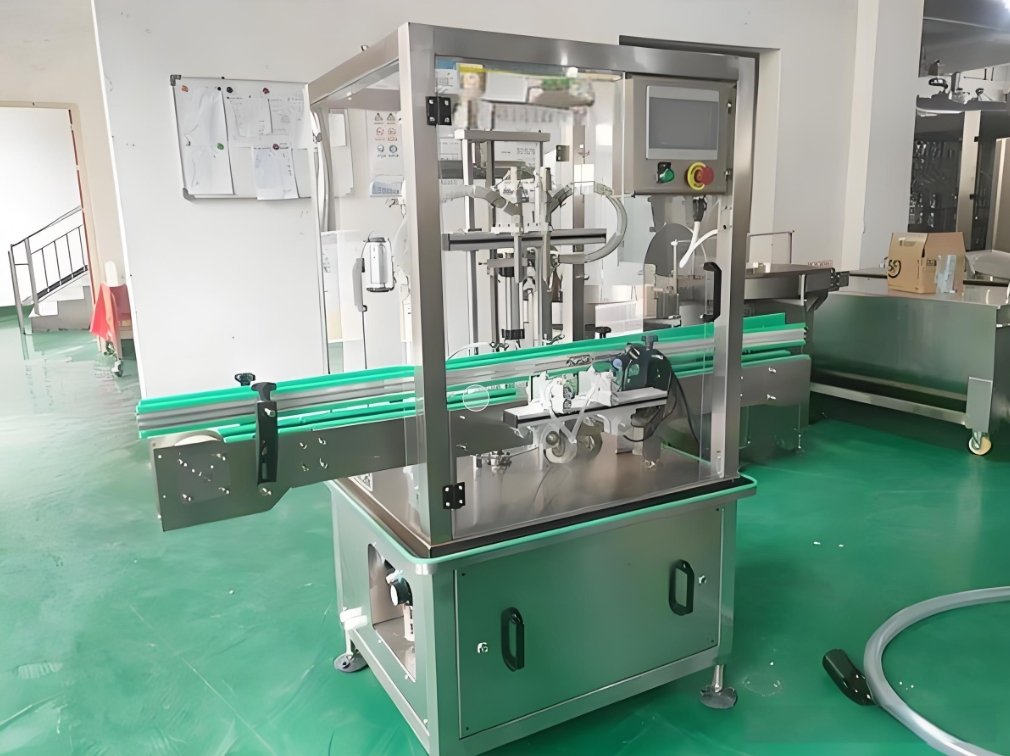
As production demands evolve, flexibility remains a priority. Machines adaptable to various products provide a competitive edge. Automated systems, like inline filling and bottling equipment, support seamless operations with reduced lead times. Automation technologies also enable better precision, reducing waste and maintaining product quality.
In summary, the integration of advanced filling and packaging technologies is not only about efficiency but also about sustaining a competitive advantage. By leveraging these solutions, businesses can improve their production capabilities. This ultimately leads to higher profitability and a robust market position. Embracing these technological advancements will ensure manufacturers are ready for future challenges and opportunities in the ever-changing industrial landscape.
Frequently Asked Questions
What is the difference between a filling machine and a packaging machine?
A filling machine measures and dispenses product into a container, while a packaging machine wraps, seals, or boxes that container for protection and distribution. Most production lines use both in sequence.
How do filling machines improve production efficiency?
They automate the fill step, which speeds up output, keeps fill volumes consistent, and cuts the errors and spillage that come with manual filling. Our guide on how filling machines improve production efficiency explains the gains in more detail.
Which type of filling machine should I choose?
It depends on your product. Volumetric machines suit consistent dry and bulk products, gravimetric machines suit items measured by weight, and liquid filling machines handle everything from thin to thick liquids. Match the machine to your product’s viscosity and volume first.
What is the difference between volumetric and gravimetric filling?
Volumetric filling measures each fill by volume, which works well for products with consistent texture and density. Gravimetric filling measures by weight, which is more accurate for products with varying densities or strict weight specifications.
Should I choose a semi-automatic or fully automatic machine?
Semi-automatic machines balance manual control and automation, so they suit smaller operations and frequent product changes. Fully automatic systems maximize throughput with minimal intervention, which suits large-scale lines. See the automatic filling machine working types for a closer comparison.
Can filling and packaging machines be integrated into an existing line?
Usually yes, provided the speeds and formats match. Check equipment compatibility, workflow synchronisation, and staff training before you commit, since mismatched speeds create bottlenecks. Our guide to optimizing filling machine systems for different production lines covers the planning steps.
Are modern packaging machines more sustainable?
Yes. Newer machines run recyclable and biodegradable materials, right-size packaging to cut waste, and use less energy per pack. Read more on the environmental impact of filling machines.