Introduction
A sachet packaging machine is one of the smartest investments a small pack manufacturer can make. It fills and seals single-use pouches at high speed, with consistent accuracy and minimal waste. For factory owners and production managers, this machine solves a common problem. It turns slow manual packing into a fast, reliable, and repeatable process.
Demand for sachet products keeps growing across food, pharma, cosmetics, and household sectors. Buyers want small, affordable, travel-friendly packs. Therefore, manufacturers need equipment that can match this demand without raising labor costs.
This guide explains everything you need to know before you buy. You will learn how these machines work, the main types available, key buying factors, and the price drivers that affect your budget. By the end, you will be ready to choose a solution that fits your product and your production line.
What Is a Sachet Packaging Machine?
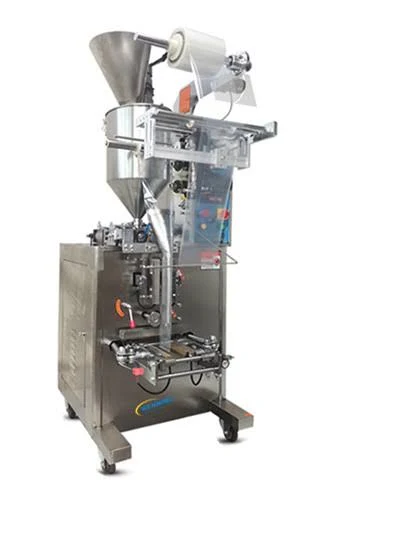
A sachet packaging machine is an industrial system that forms small pouches, fills them with product, and seals them automatically. Each sachet usually holds a single serving or a small measured quantity. Common examples include sugar sticks, ketchup packs, shampoo sachets, and powder supplement pouches.
The machine works with flexible packaging film, often laminated or foil-based. It shapes the film into a pouch, dispenses an exact dose, and then seals all edges. As a result, the final pack is airtight, hygienic, and ready for retail or distribution.
Many businesses use these machines because sachets are cost-effective and easy to ship. They also help brands reach price-sensitive markets with smaller, affordable pack sizes. In short, this equipment supports both production efficiency and sales growth.
How Does a Sachet Packaging Machine Work?
The working process is simple to understand, even though the engineering is precise. Most machines follow a clear step-by-step cycle.
Step 1: Film Unwinding
First, the packaging film is loaded onto the machine. A roller system unwinds the film smoothly and feeds it into the forming section. Tension control keeps the film straight and wrinkle-free.
Step 2: Pouch Forming
Next, a forming tube or forming plate shapes the flat film into a pouch. The machine then creates the vertical seal to hold the pouch shape. This stage decides the final sachet size and width.
Step 3: Product Filling
After forming, the dosing system fills the pouch with the right amount of product. The filling method depends on the product type. For example, an auger filler handles powders, while a pump or piston handles liquids and pastes. Accurate dosing is critical here, since it controls product cost and pack consistency.
Step 4: Sealing and Cutting
Finally, the machine seals the top of the pouch and cuts it from the film web. Heated sealing jaws press the film to create a strong, leak-proof bond. The finished sachets then drop onto a conveyor or collection tray.
This cycle repeats continuously. A reliable machine can produce hundreds of sachets per minute, depending on the model and product. If you also need bottle or jar lines, the same dosing logic applies to a standard filling machine used for larger containers.
Common Products Packed in Sachets
Sachet packing suits a wide range of products. The format works well for anything that ships in small, single-use quantities.
Common sachet products include:
- Powders such as coffee, milk powder, protein, and drink mixes
- Granules such as sugar, salt, and instant beverages
- Liquids such as juice, water, and energy shots
- Sauces such as ketchup, mayonnaise, and chili paste
- Personal care items such as shampoo, conditioner, and face cream
- Spices, seasoning blends, and cooking ingredients
- Health supplements, vitamins, and nutrition powders
- Small food products and condiment portions
Because the format is so flexible, almost every consumer goods sector uses it. This is also why machine configuration matters so much, since each product behaves differently during filling.
Types of Sachet Packaging Machines
There is no single machine for every product. Instead, manufacturers choose a model based on what they pack. Below are the most common types.
Powder Sachet Packing Machine
This machine uses an auger or screw dosing system. It handles fine powders like coffee, spices, and supplements with high accuracy. For larger powder containers, a dedicated powder filling machine handles bottles and jars instead.
Liquid Sachet Packing Machine
A liquid model uses a pump or piston dosing system. It packs water, juice, sauces, and oils into sealed pouches. Strong sealing is essential here to prevent leaks.
Granule Sachet Packing Machine
This type packs free-flowing solids like sugar, salt, and seeds. It often uses a volumetric cup or weigher for dosing. For high-volume granule jobs in larger packs, a granule filling machine covers wider container needs.
Multi-Lane Sachet Machine
A multi-lane machine runs several sachet lanes at the same time. As a result, output increases sharply without adding labor. This option suits high-demand products like sugar sticks and coffee sachets.
Automatic Sachet Packing Machine
An automatic sachet packing machine runs the full cycle with minimal operator input. It controls filming, dosing, sealing, and cutting through one integrated system. This type is ideal for medium to large production lines.
Sachet Packaging Machine vs Automatic Sachet Packing Machine
Buyers often ask about the difference between a basic machine and a fully automatic one. The gap mainly comes down to automation, speed, and labor.
A basic sachet packaging machine handles core forming and sealing tasks. However, it may need an operator to manage loading, dosing checks, or output handling. It works well for small batches and startups.
An automatic sachet packing machine runs the entire process with limited human help. It includes automated dosing, sealing control, batch counting, and sometimes printing. Consequently, it offers higher speed, better consistency, and lower labor cost per pack.
For growing businesses, automation usually pays back fast. Still, the right choice depends on your volume, budget, and product type. This connects directly to the buying factors below.
Key Benefits for Manufacturers
A sachet packaging machine delivers clear business value. The benefits go beyond simple packing speed.
Major advantages include:
- Lower labor cost, since one machine replaces several manual workers
- Faster output, which helps you meet large orders on time
- Accurate dosing, which controls product giveaway and protects margins
- Better hygiene, because the product is sealed without hand contact
- Consistent quality, which strengthens your brand reputation
- Flexible pack sizes, which open new market segments
Together, these benefits improve both production efficiency and profit. This is why sachet automation is now standard across competitive industries.
Important Features to Look For
Not all machines offer the same value. Before you buy, check the features that affect daily performance and long-term cost.
Filling Accuracy
Look for a precise dosing system suited to your product. Accurate filling reduces waste and protects your profit on every pack.
Sealing Quality
Strong, leak-proof seals are essential, especially for liquids and powders. Poor sealing leads to returns, complaints, and product loss.
Production Speed
Match the machine speed to your order volume. A multi-lane or automatic model suits high-demand products.
Material Compatibility
Confirm the machine handles your film type, such as laminate or foil. Film compatibility affects shelf life and pack strength.
Easy Maintenance
Choose a design with simple cleaning and quick part access. This reduces downtime and keeps the line running.
Automation Level
Decide how much automation you need now and in the future. A scalable automatic filling machine setup supports long-term growth across your production line.
How to Choose the Right Sachet Packaging Machine
Choosing the right machine is a structured decision, not a guess. Focus on these key factors before you commit.
First, define your product type clearly. Powder, liquid, and granule products each need different dosing systems. Second, set your target output. Your required sachets per minute will guide the machine size and lane count.
Next, review your packaging material. The film type affects sealing settings and shelf life. After that, consider your automation needs. Higher automation costs more upfront but lowers labor cost over time.
You should also check sealing quality, machine footprint, and customization options. Finally, confirm the supplier offers installation, training, and after-sales support. Strong support protects your investment for years.
Need help matching a machine to your product? If you are not sure which sachet packaging machine fits your powder, liquid, or granule product, contact our team for clear guidance and a tailored machine recommendation. We will help you choose the right configuration before you invest. Talk to our packaging experts.
Industries That Use Sachet Packaging Machines
Sachet packing serves many industries, since small packs suit so many products. The format is popular wherever convenience and price matter.
Key industries include:
- Food and beverage, for sugar, coffee, sauces, and drink mixes
- Pharmaceutical and nutrition, for powders, supplements, and ORS packs
- Cosmetics and personal care, for shampoo, cream, and serum samples
- Household and chemical, for detergent and cleaning sachets
- Hospitality and travel, for single-use condiments and amenities
Because the demand is so broad, sachet machines often run alongside other lines. Many factories pair them with a wider packaging machine setup for cartoning or secondary packing.
Sachet Packaging Machine Price Factors
Price is a common first question, but the answer always depends on the configuration. Several factors shape the final cost.
The main price drivers include:
- Machine type, since automatic and multi-lane models cost more
- Production speed, because higher output needs stronger engineering
- Dosing system, as auger, pump, and weigher systems vary in cost
- Automation level, including printing, counting, and controls
- Customization, such as special pouch sizes or film types
- After-sales support, including installation, training, and spare parts
Because each business has different needs, pricing is quoted per project. For an accurate figure, it is best to share your product details and target output. The supplier can then recommend the right specification and price.
Why Choose a Reliable Packaging Machine Manufacturer
Buying machinery is a long-term commitment, so the supplier matters as much as the machine. A reliable manufacturer protects your production for years, not just at delivery.
Foshan Popper Machinery has supported manufacturers worldwide since 2015. The company builds machines in-house, runs full quality testing, and provides on-site installation and training. In addition, the team offers ongoing maintenance and fast troubleshooting support.
This combination reduces your risk and downtime. You get a machine that fits your product and a partner who keeps it running. As a result, your investment delivers value over its full working life.
Choosing the right sachet packaging machine does not have to be complicated. The right specification depends on your product, your output goals, and your budget. With expert guidance, you can avoid costly mistakes and get a machine that performs from day one.
If you are ready to move forward, the team is here to help. Share your product type and production targets, and you will get a clear recommendation and a competitive quote. Request your free quote today and start packing smarter.
FAQs
What is a sachet packaging machine used for?
A sachet packaging machine forms, fills, and seals small single-use pouches. It packs powders, liquids, granules, and sauces quickly and hygienically. Manufacturers use it to lower labor cost and increase output.
What is the difference between a sachet packaging machine and an automatic sachet packing machine?
A basic sachet packaging machine handles core forming and sealing tasks. An automatic sachet packing machine runs the full cycle with minimal operator input. The automatic version offers higher speed and lower labor cost per pack.
What products can a sachet packaging machine pack?
It can pack coffee, sugar, spices, supplements, shampoo, sauces, and more. The dosing system is matched to the product, whether powder, liquid, or granule. This makes the machine suitable for many industries.
How fast is a sachet packaging machine?
Speed depends on the model and product type. Single-lane machines pack a moderate volume, while multi-lane machines pack much more. A supplier can recommend the right speed for your order volume.
How much does a sachet packaging machine cost?
The price depends on machine type, speed, dosing system, and automation level. Customization and after-sales support also affect the final cost. The best way to get an accurate figure is to request a project-based quote.
Which industries use sachet packaging machines?
Food, beverage, pharmaceutical, cosmetic, and household sectors all use them. Any business with small single-use products can benefit. The format suits both retail sales and travel packs.
How do I choose the right sachet packaging machine?
Start with your product type, target output, and packaging film. Then consider automation level, sealing quality, and supplier support. Sharing these details with a trusted manufacturer ensures the right match.
Conclusion
A sachet packaging machine is a powerful tool for any small pack manufacturer. It speeds up production, lowers labor cost, and delivers consistent, hygienic packs. From powders to liquids, the right machine helps you meet demand and protect your margins.
The key is choosing a configuration that matches your product and your goals. With the right specification and a reliable manufacturer behind you, your machine becomes a long-term asset. When you are ready, reach out for expert guidance and a tailored quote, and take the next step toward smarter, faster packaging.